
-2(1).png)
 English
 Español
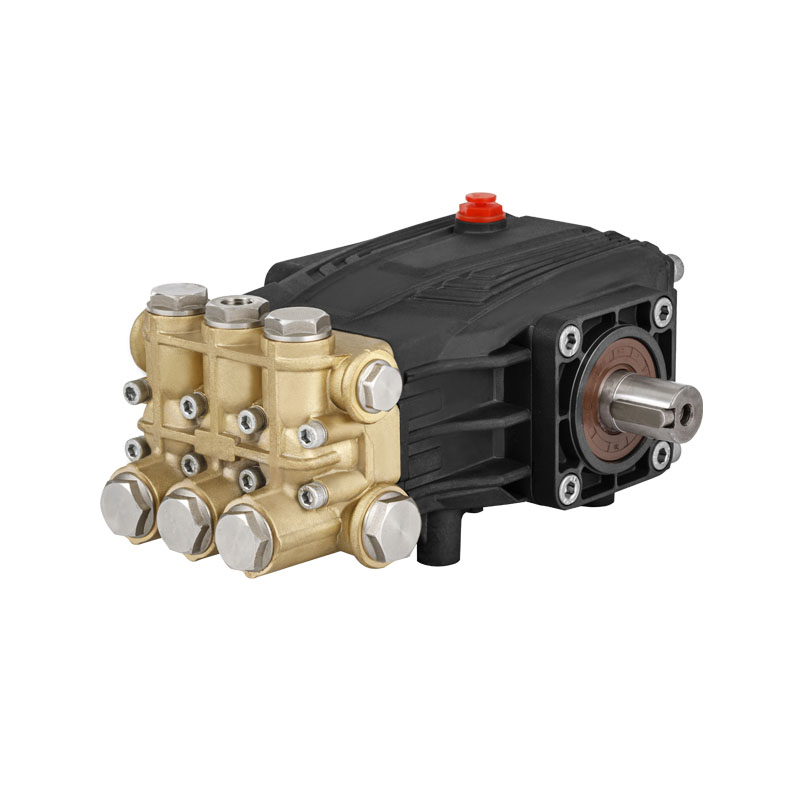
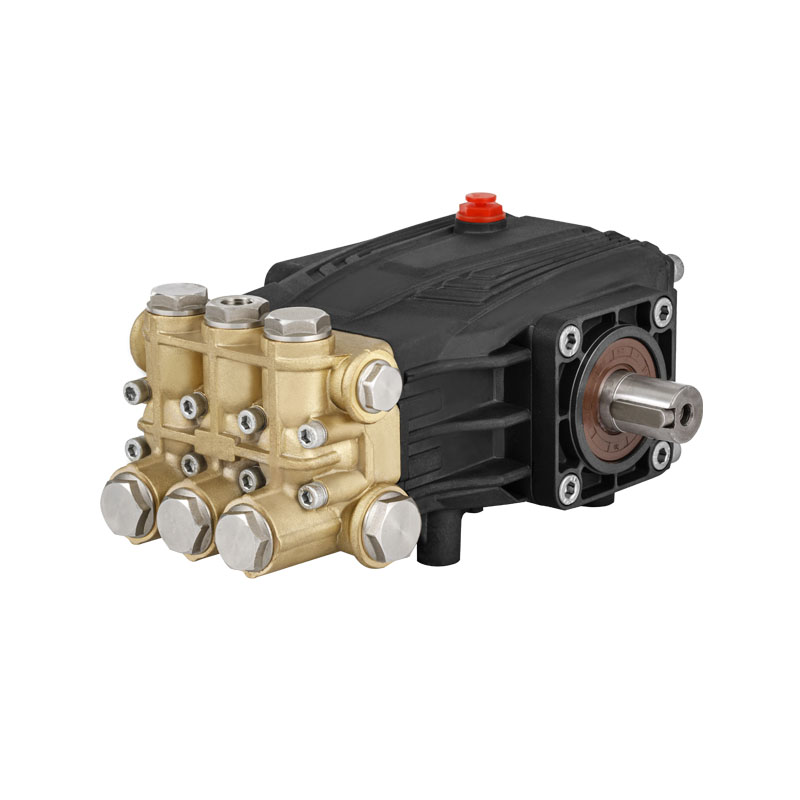
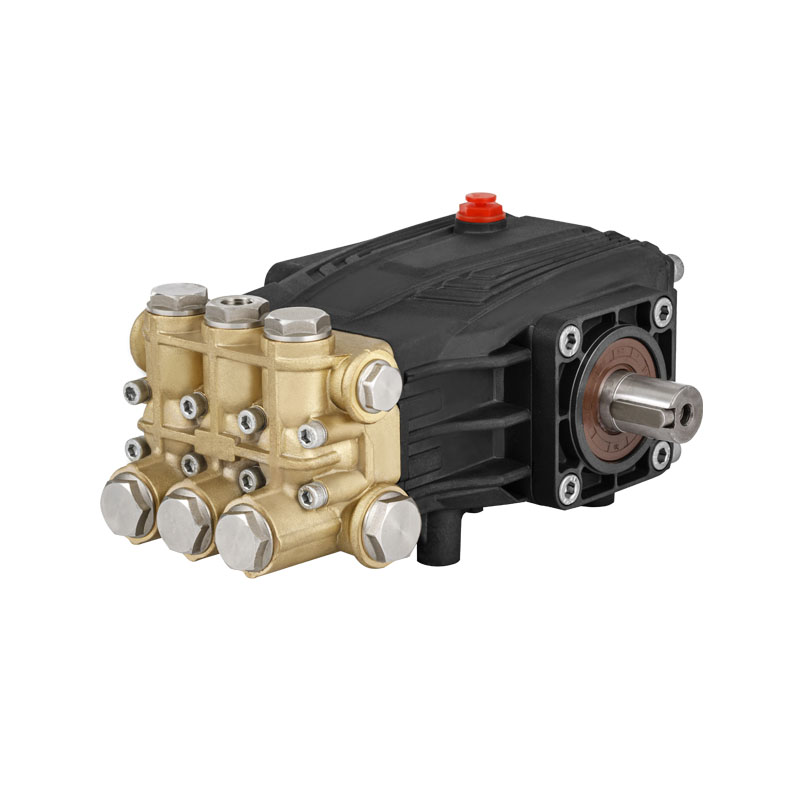
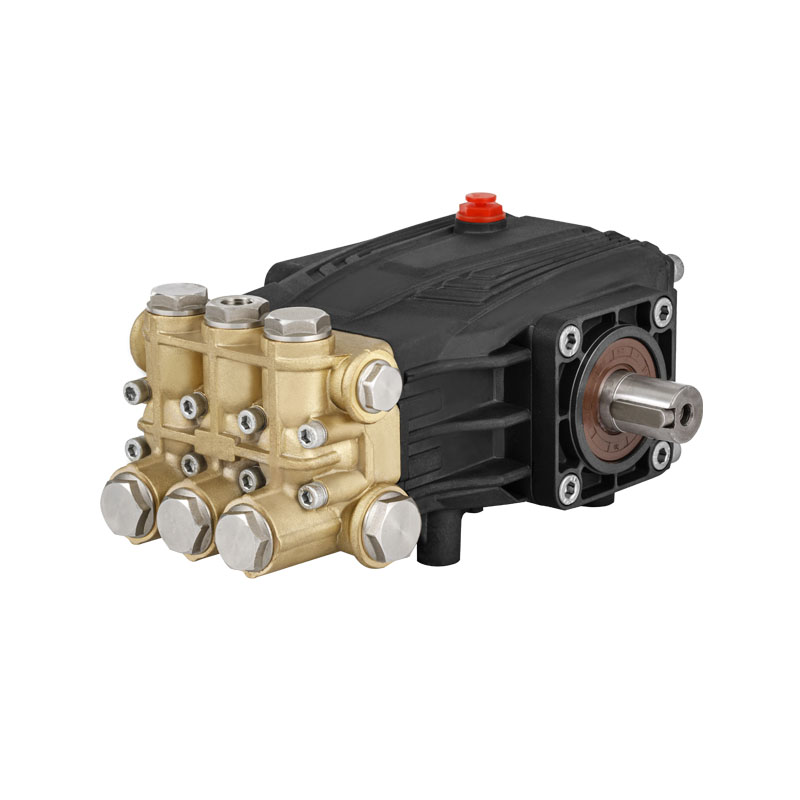
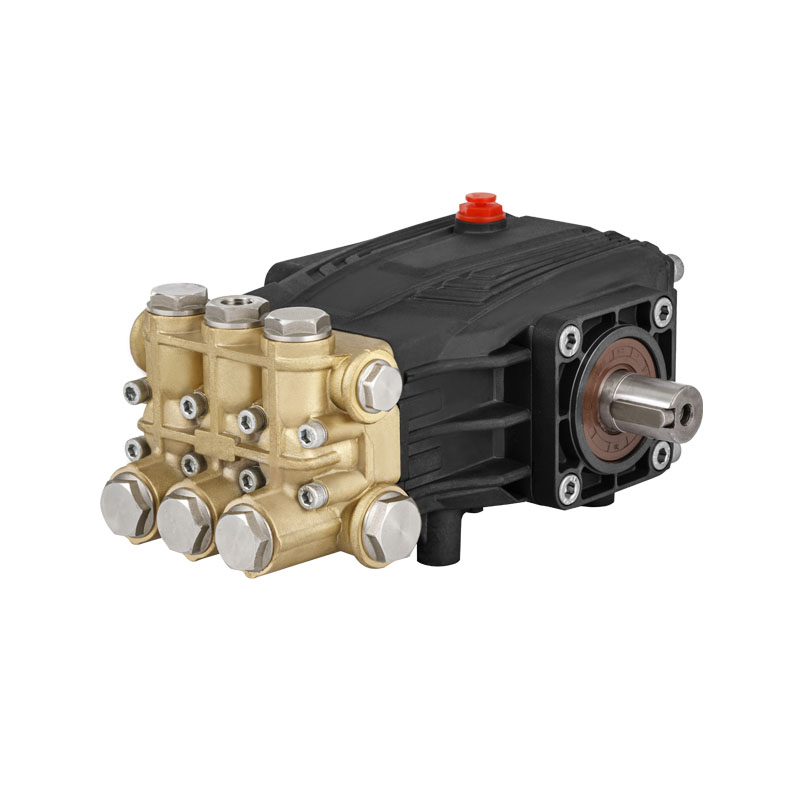
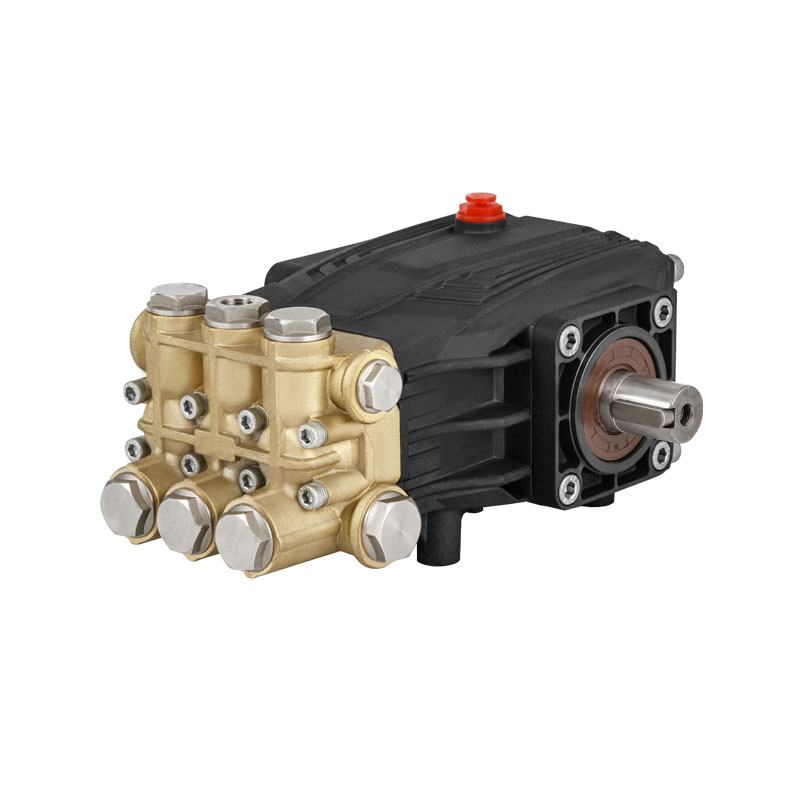
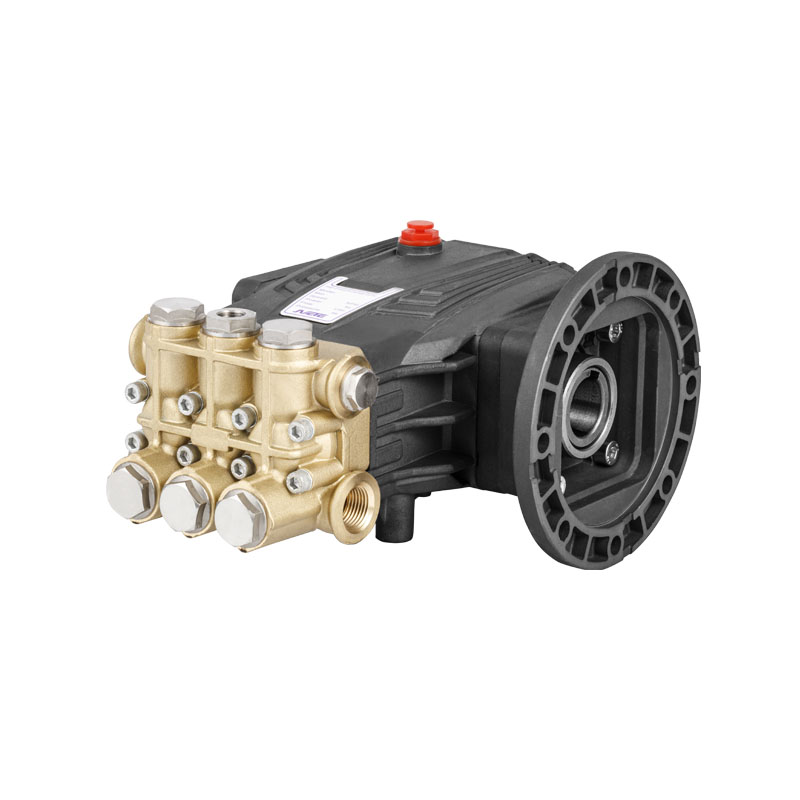
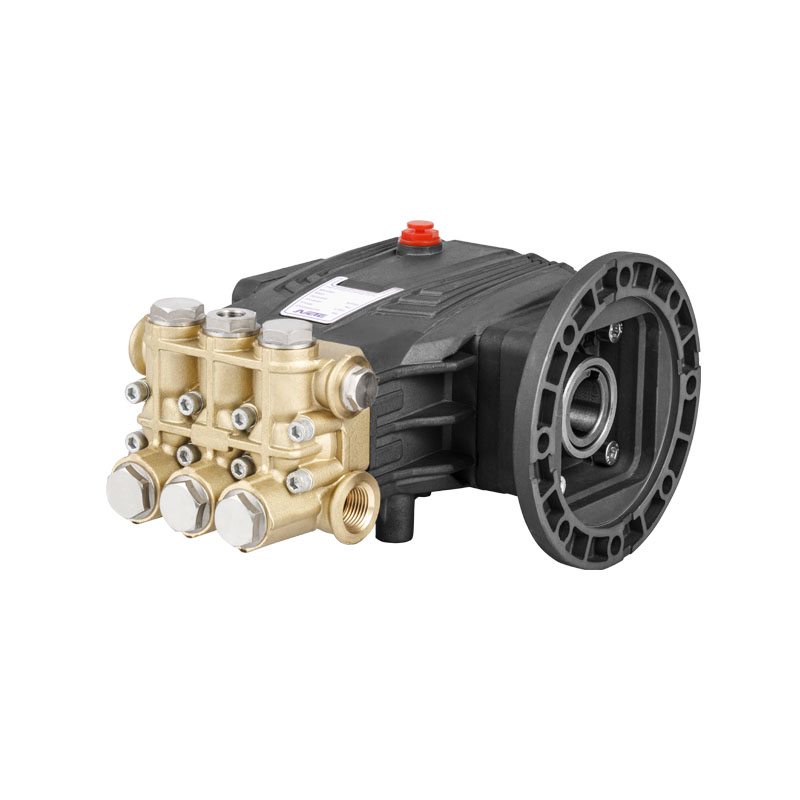
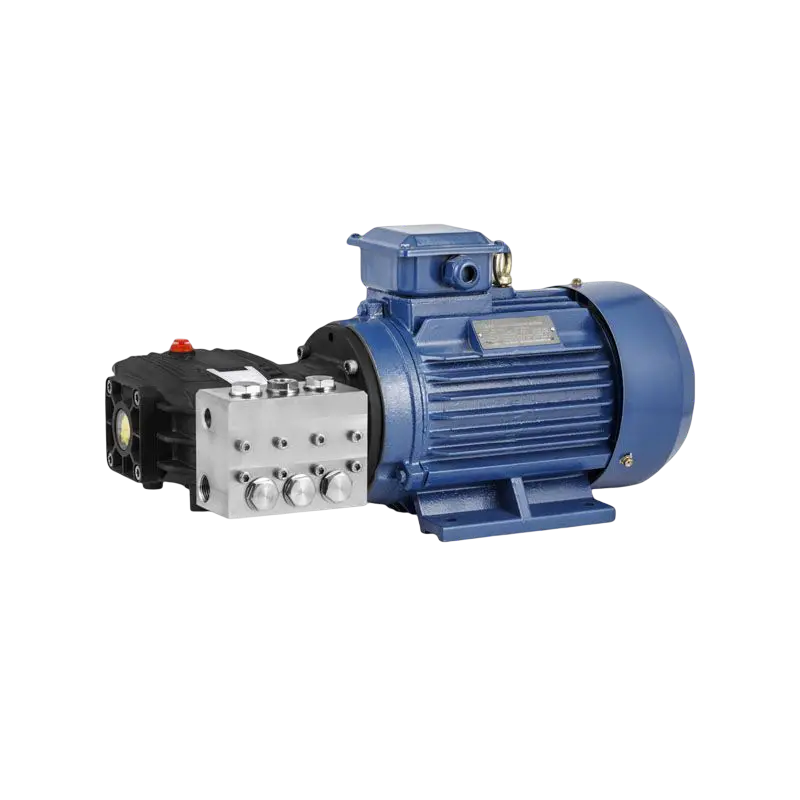
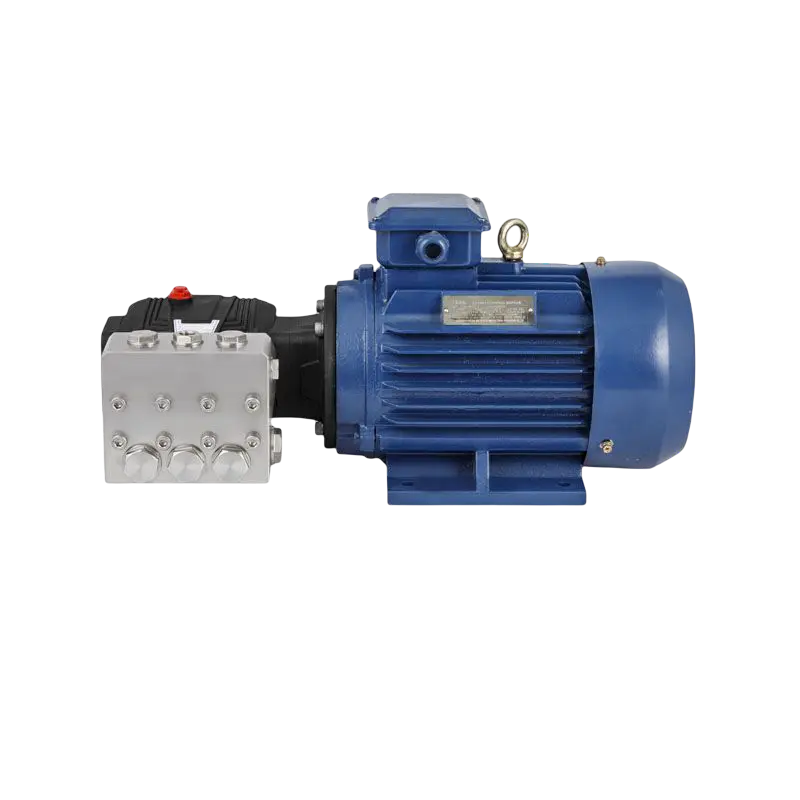
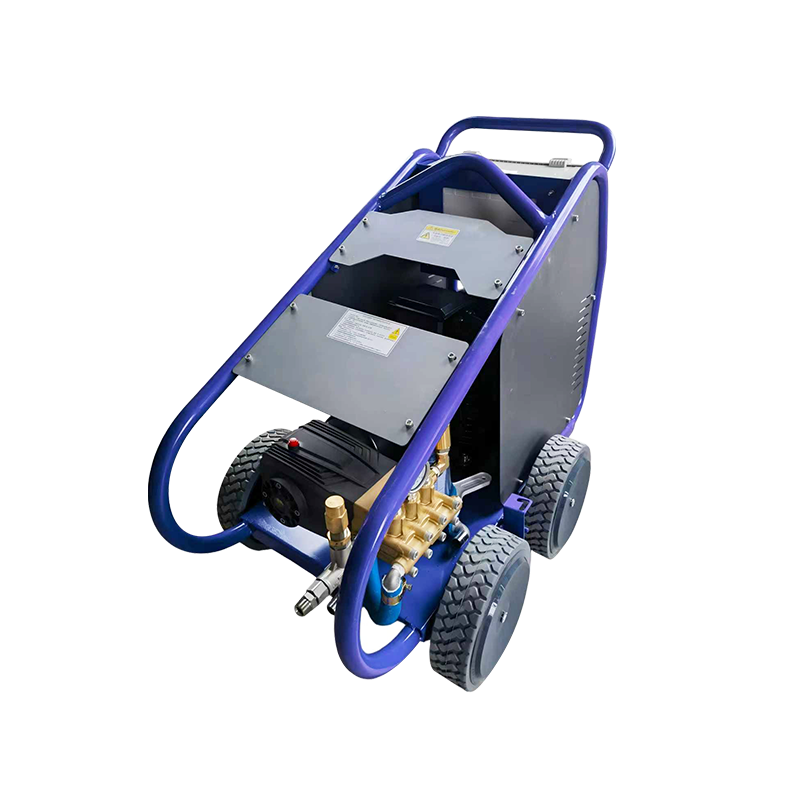
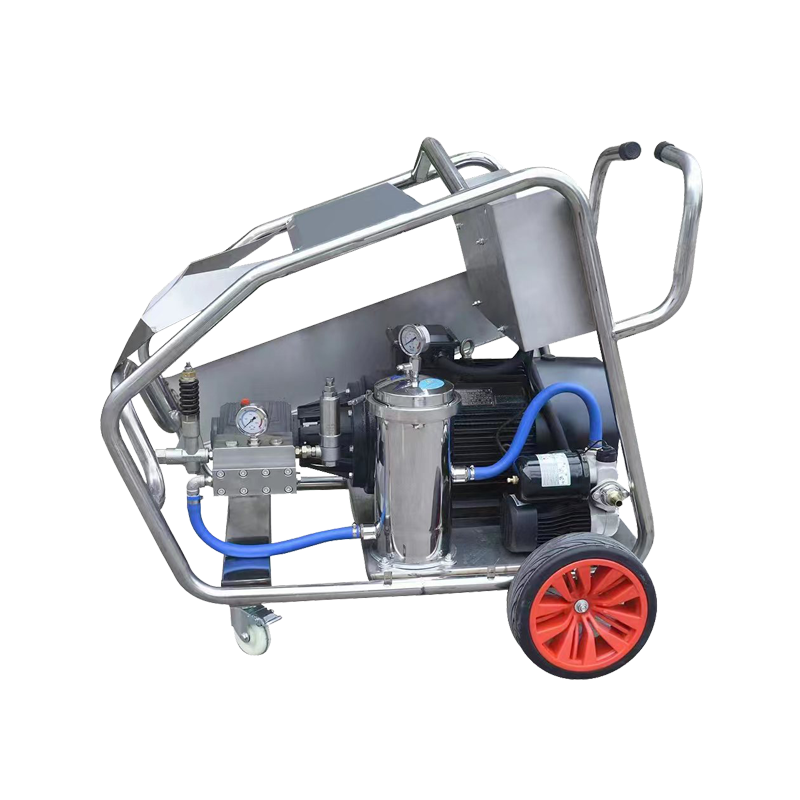
In the realms of industrial manufacturing, construction, and facility maintenance, a transformative technology continues to gain prominence: the high pressure water jet pump. This specialized system serves as the critical power source that generates an ultra-focused stream of water, often mixed with abrasives, capable of cutting through hard materials and removing tenacious deposits. The growing adoption of the high pressure water jet pump underscores a shift toward methods that offer precision, versatility, and often, reduced environmental impact compared to traditional thermal or mechanical processes.
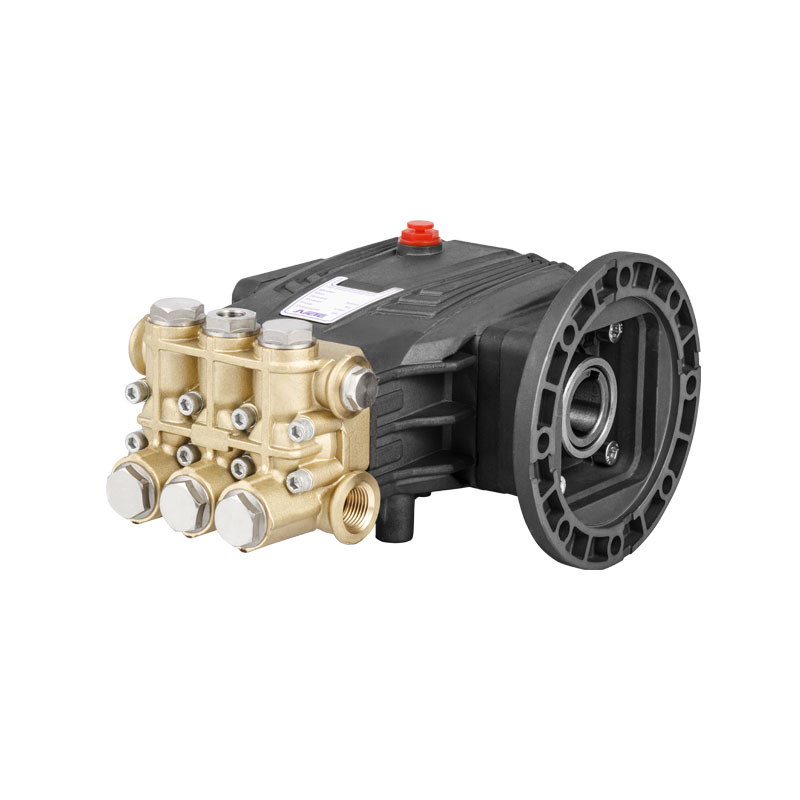
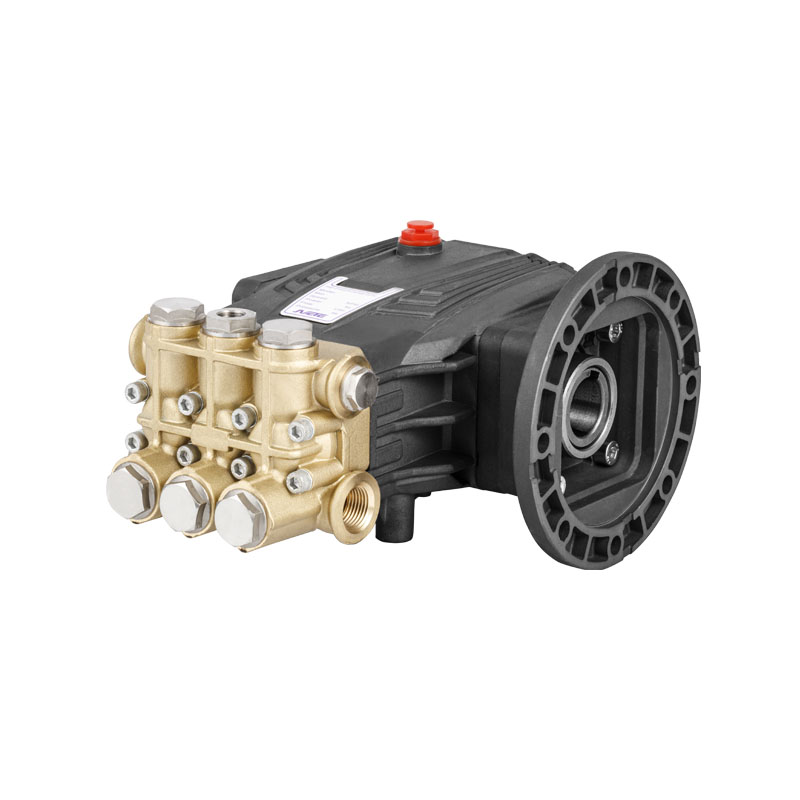
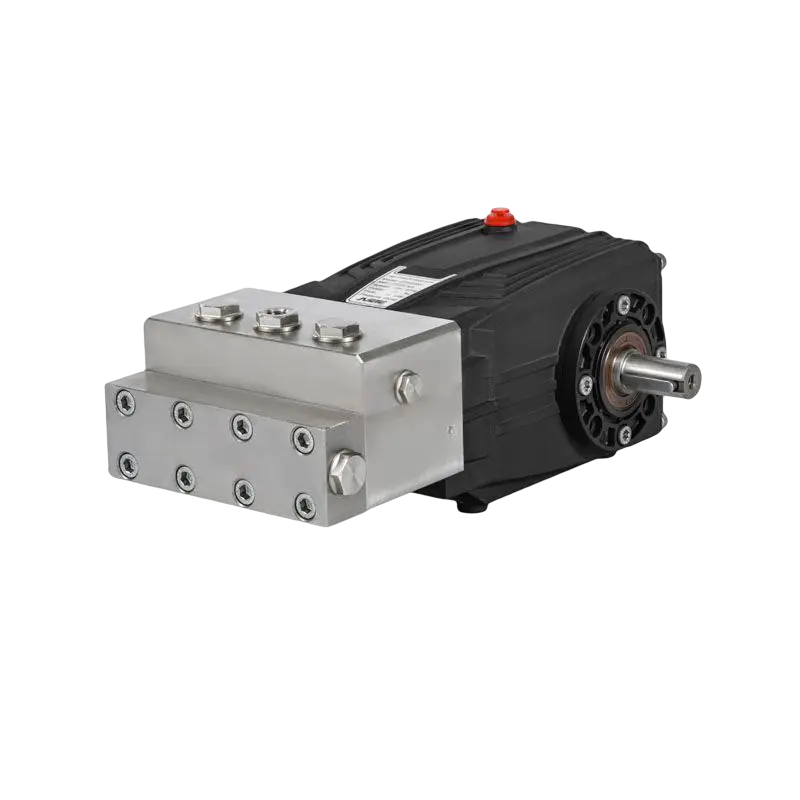
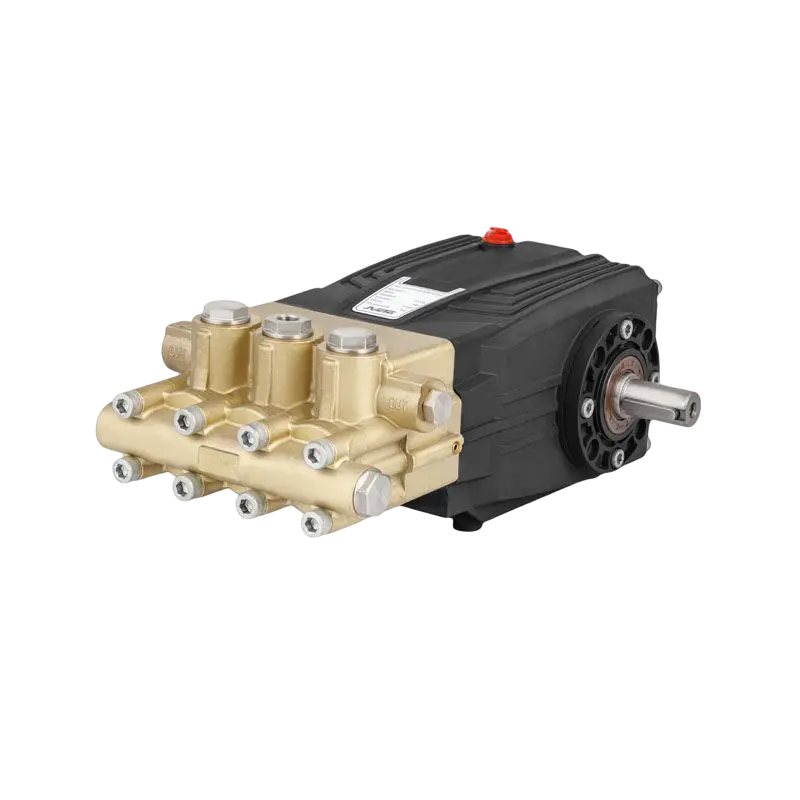
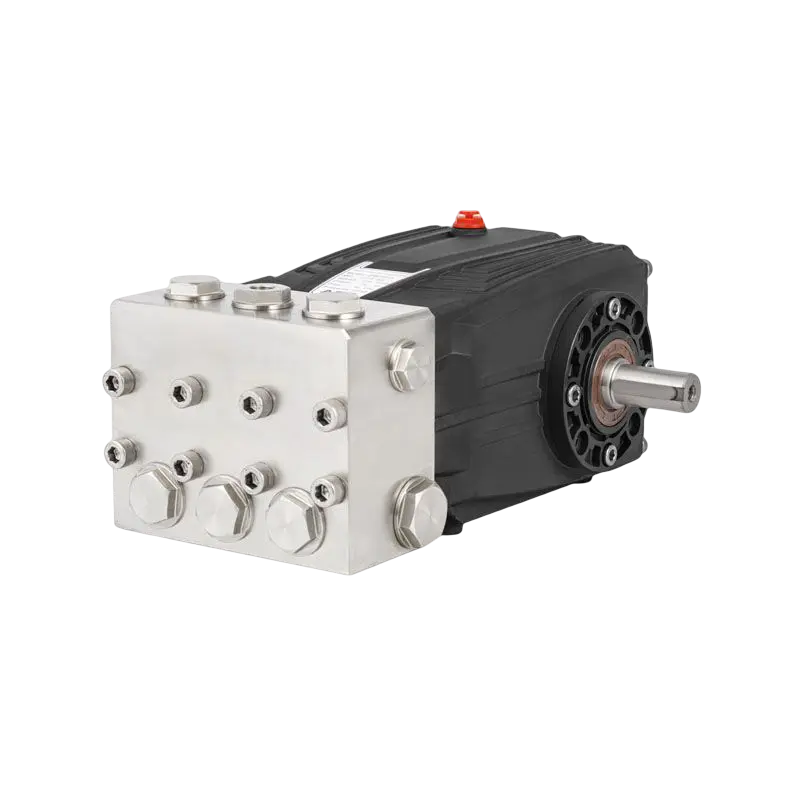
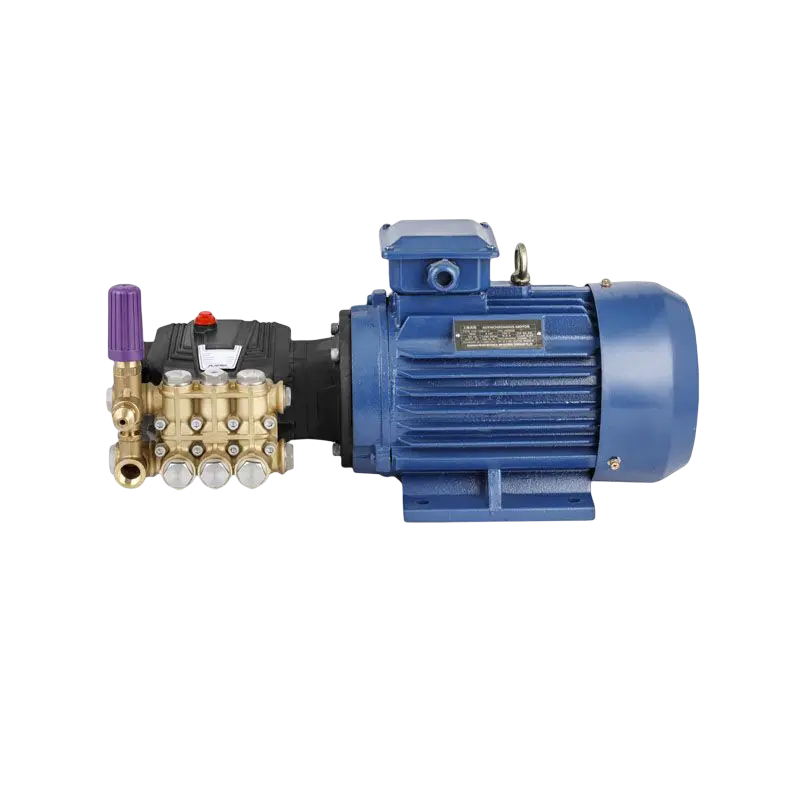
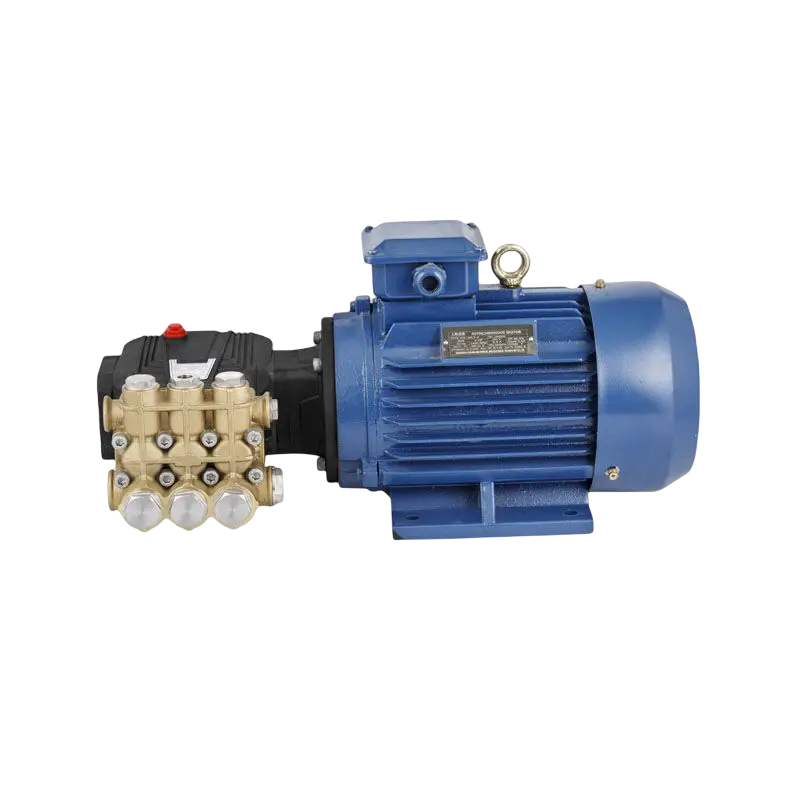
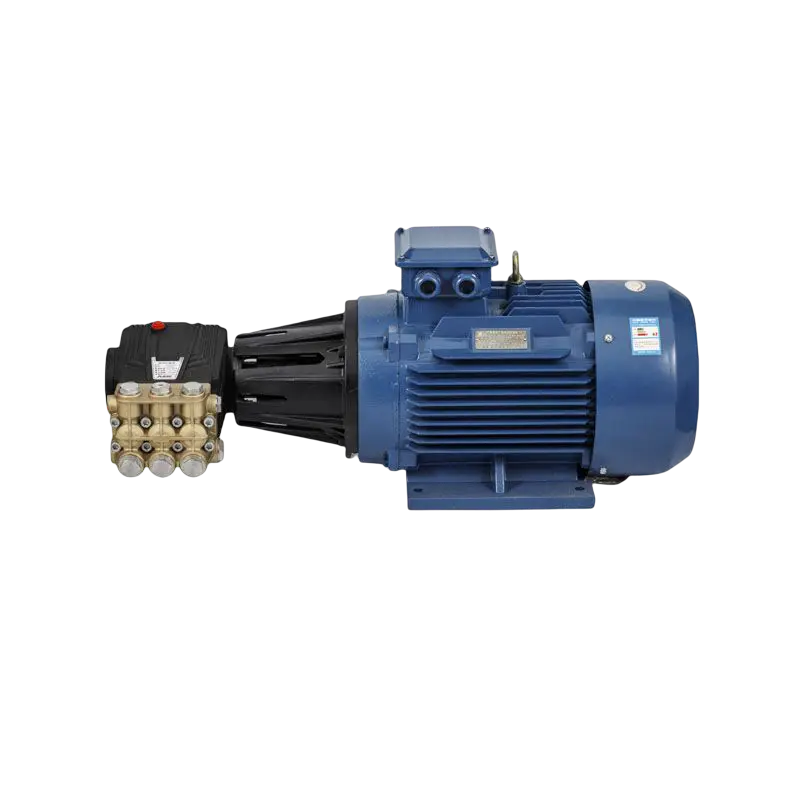
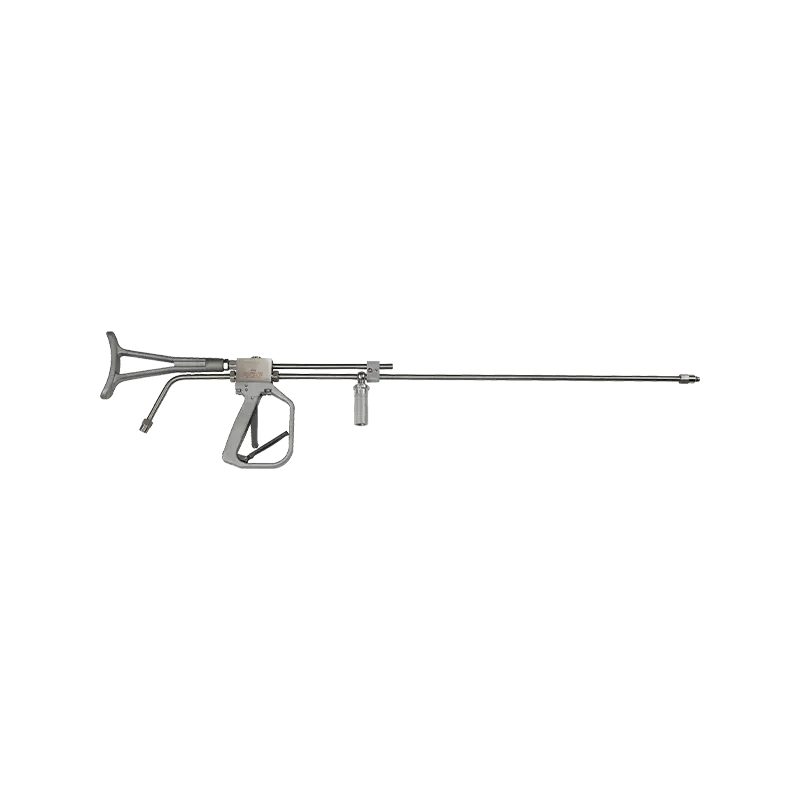
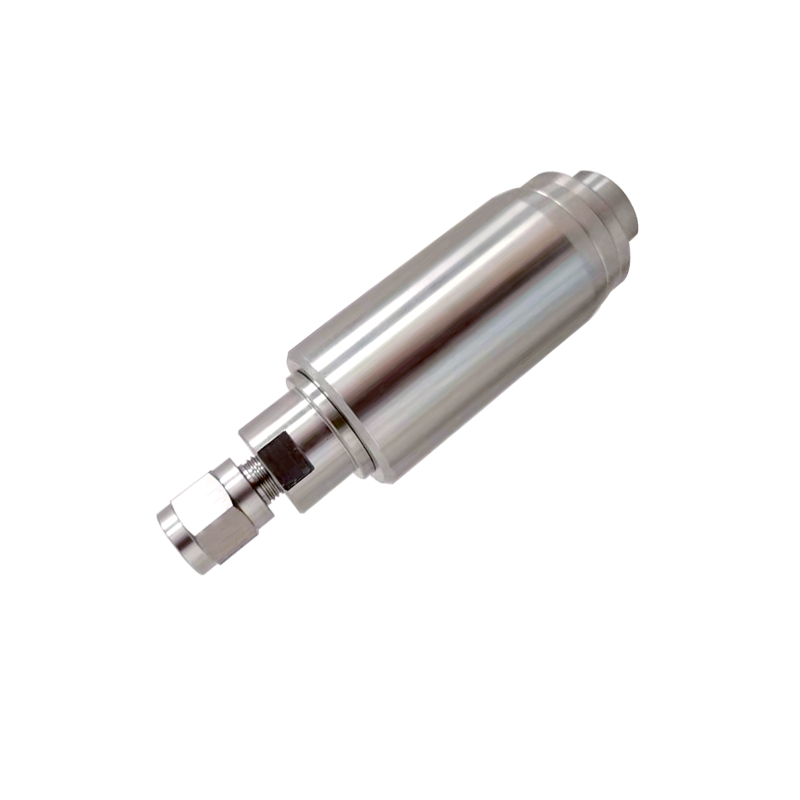
The core function of a high pressure water jet pump is to pressurize water to bad levels, typically ranging from tens of thousands to over hundreds of thousands of pounds per square inch (psi). This immense pressure is created by intensifier or plunger pump systems within the high pressure water jet pump. These positive displacement pumps take in water at standard supply pressure and, through the reciprocating action of pistons or plungers, multiply the force to the required intensity. The pressurized water is then delivered through a small orifice in a cutting head or nozzle. For abrasive water jet cutting, a separate abrasive feed system introduces garnet or other media into the stream as it exits the nozzle, dramatically enhancing its cutting power. The reliable performance of the high pressure water jet pump is fundamental to the system's overall capability.
The application of systems powered by a high pressure water jet pump is remarkably diverse. In industrial fabrication, it is used for precise cutting of metals (including steel, aluminum, and titanium), composites, stone, glass, and rubber. The "cold" cutting process of a high pressure water jet pump eliminates heat-affected zones, thermal distortion, and hazardous fumes, preserving material properties. For heavy industry and infrastructure maintenance, a high pressure water jet pump is the backbone of hydro-demolition, effectively removing deteriorated concrete, and industrial cleaning, where it strips paint, coatings, and marine growth from ships, tanks, and structural steel with significant efficiency. This versatility makes the high pressure water jet pump a valuable tool across sectors.
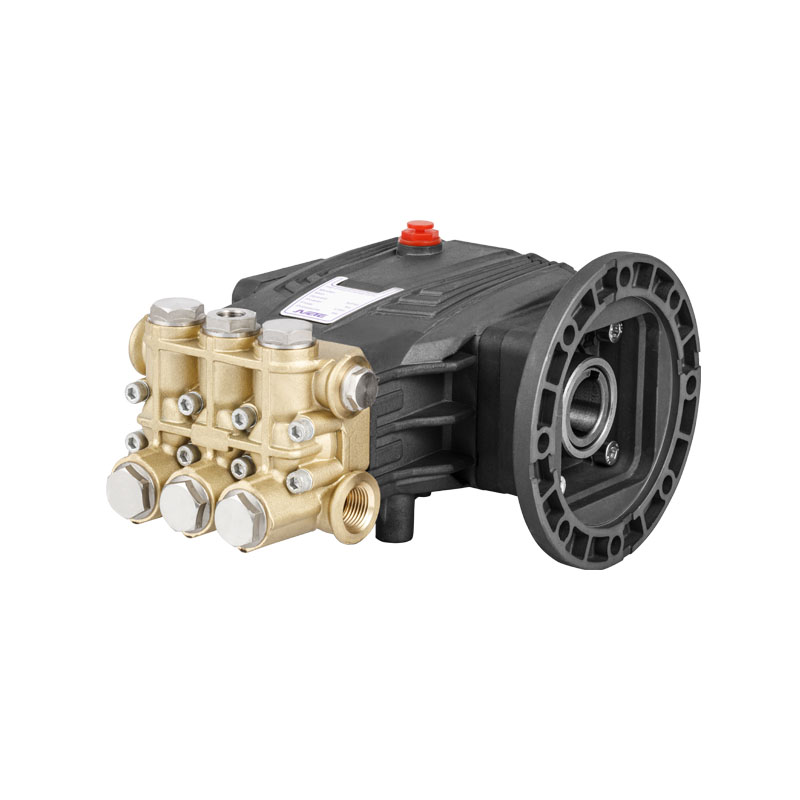
The operational advantages provided by a well-designed high pressure water jet pump are numerous. It offers exceptional precision, enabling complex shapes and intricate cuts that are difficult with other methods. The process is inherently clean, using water as the primary medium and producing small secondary waste. From a safety perspective, operations utilizing a high pressure water jet pump reduce risks associated with dust, sparks, and toxic byproducts. Furthermore, the technology is considered versatile; by adjusting the pressure, flow rate, and adding or removing abrasives, the same high pressure water jet pump can transition from cutting a two-inch thick steel plate to delicately cleaning a historical monument.
The role of the high pressure water jet pump is set to expand further. Trends toward automation and robotics will see these pumps integrated into more flexible manufacturing cells. The emphasis on environmentally conscious industry practices aligns well with the clean, water-based nature of the technology, though research into water recycling and filtration for closed-loop systems remains active. As material science advances and industries seek more precise, adaptable, and cleaner processing methods, the high pressure water jet pump will remain a cornerstone technology, driving innovation in how materials are cut, shaped, and cleaned in the 21st-century industrial landscape.