
-2(1).png)
 English
 Español
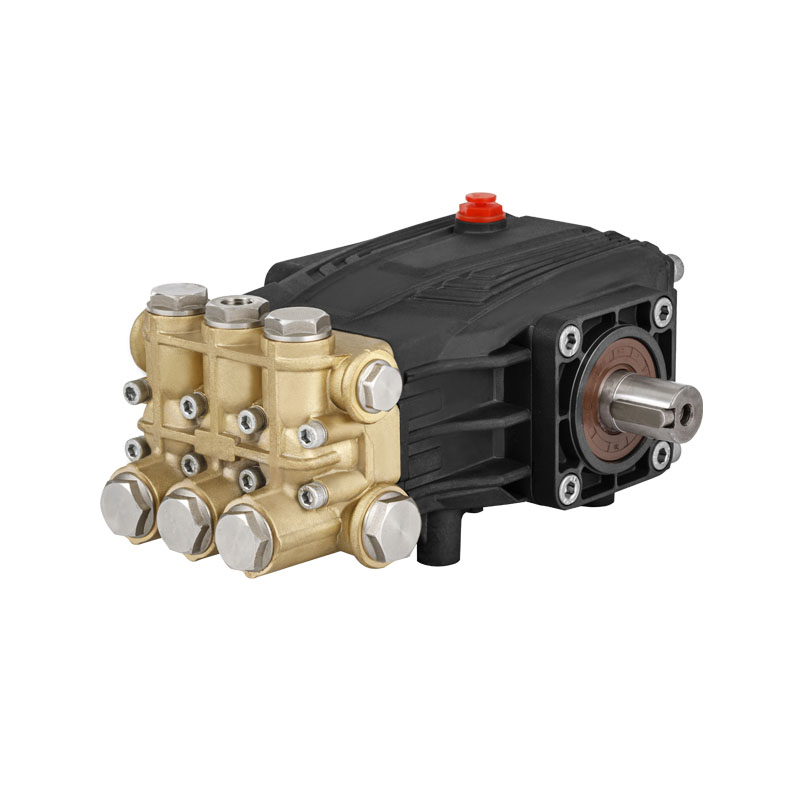
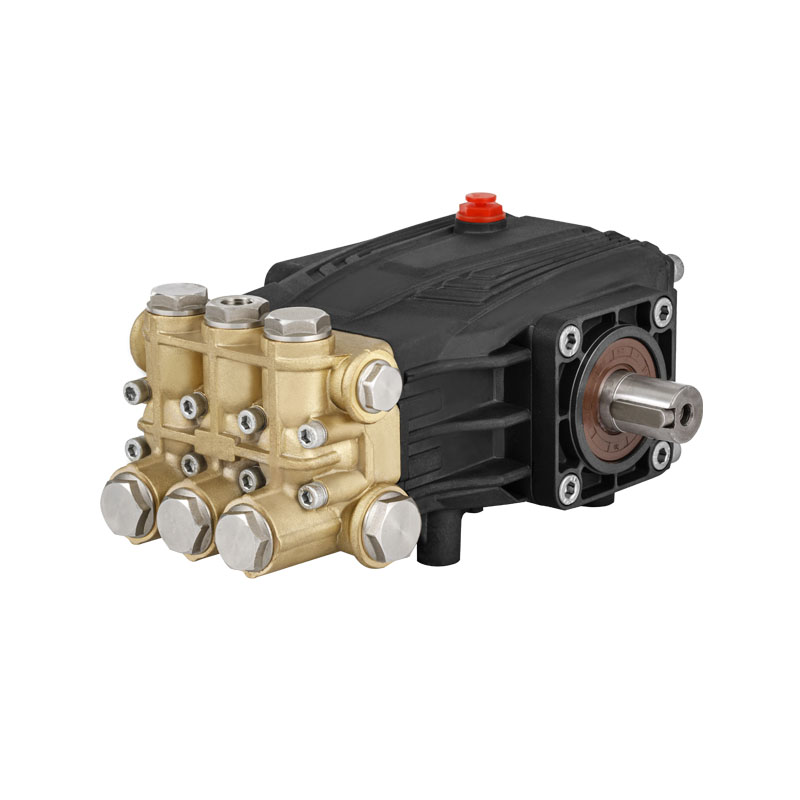
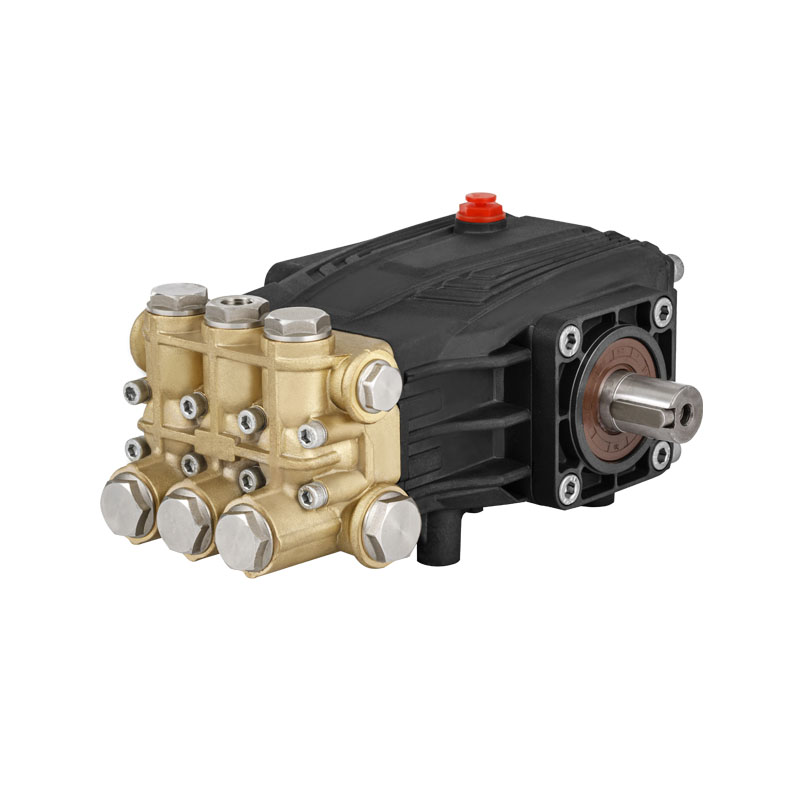
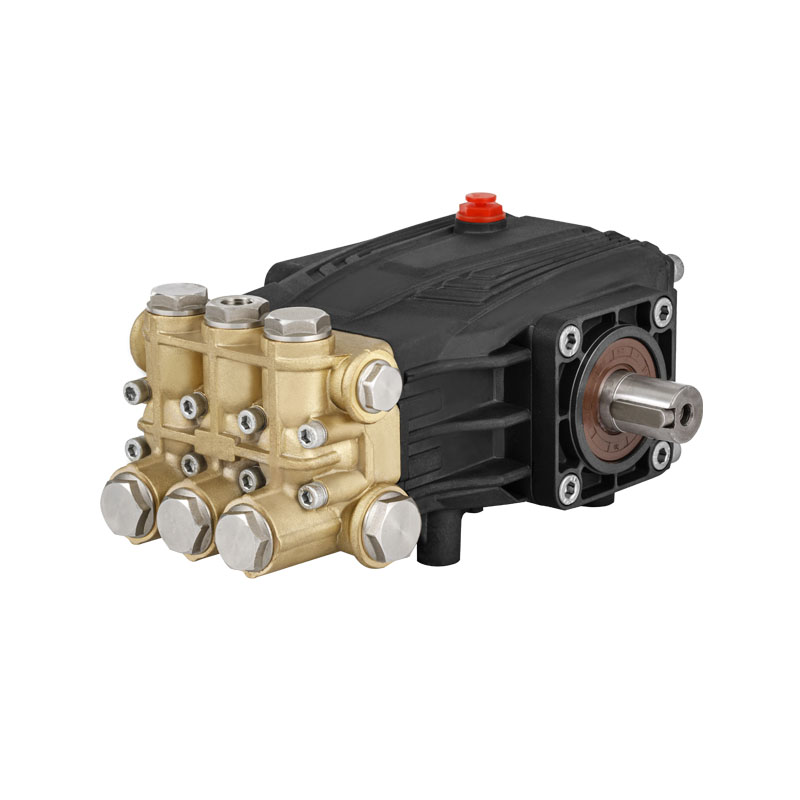
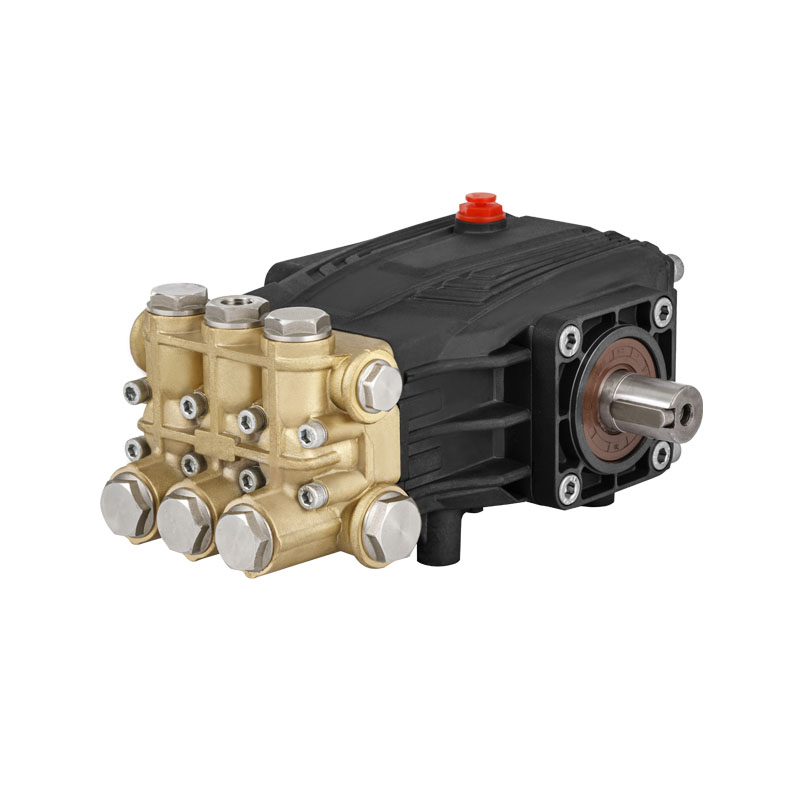
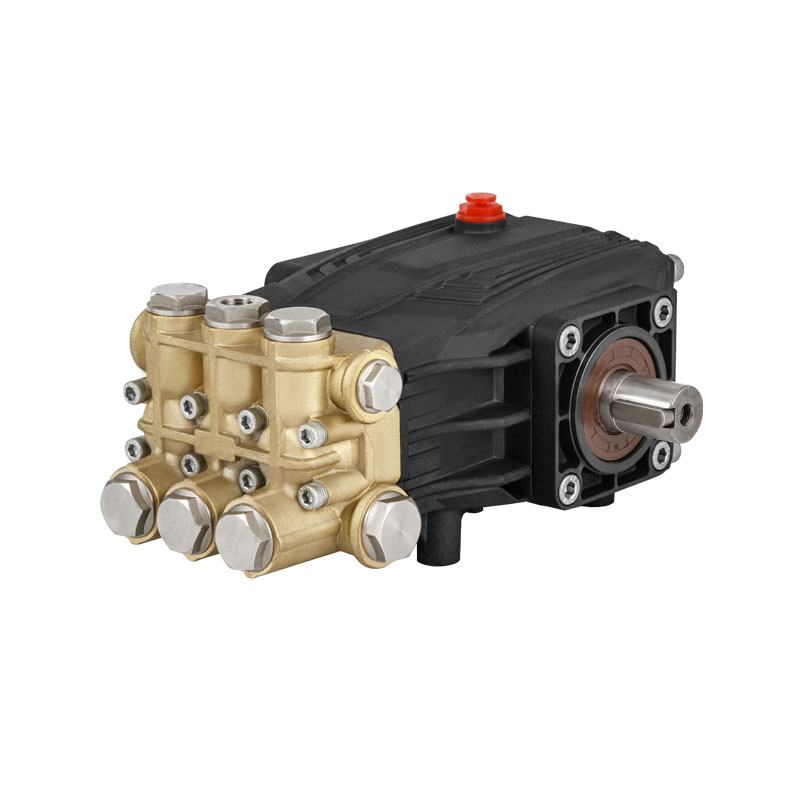
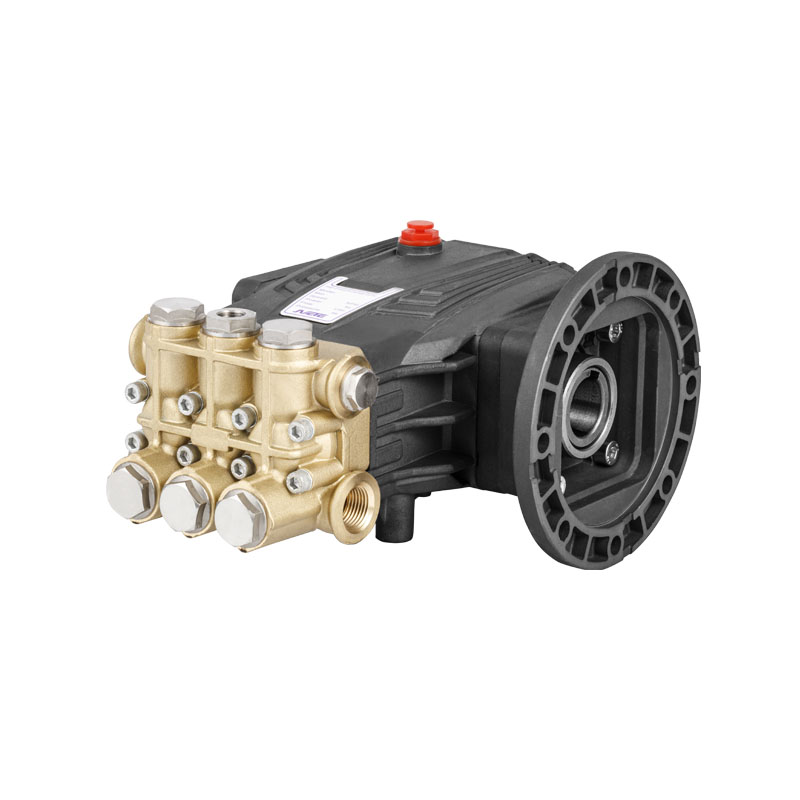
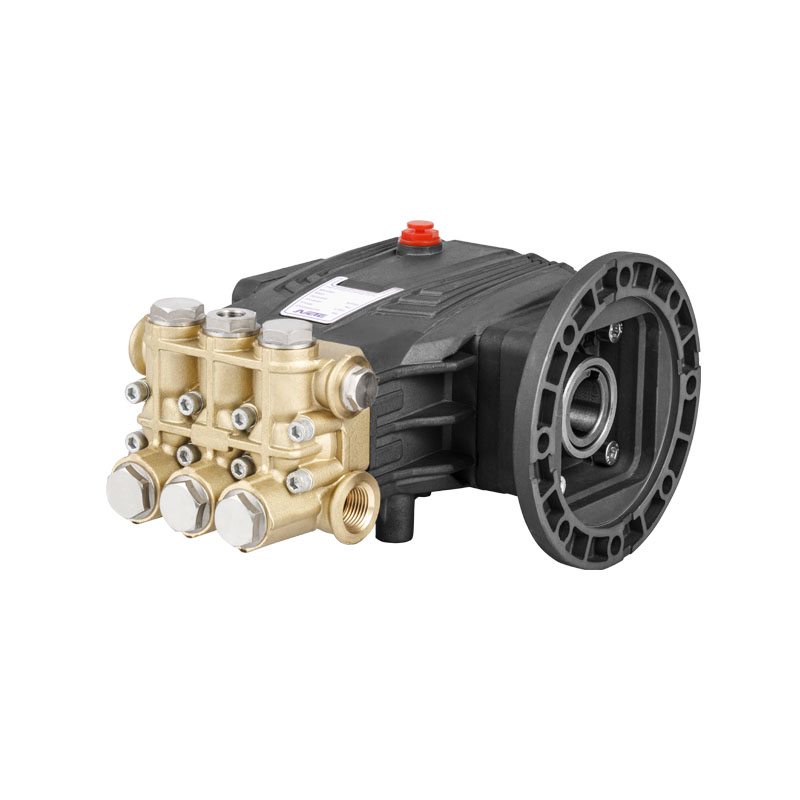
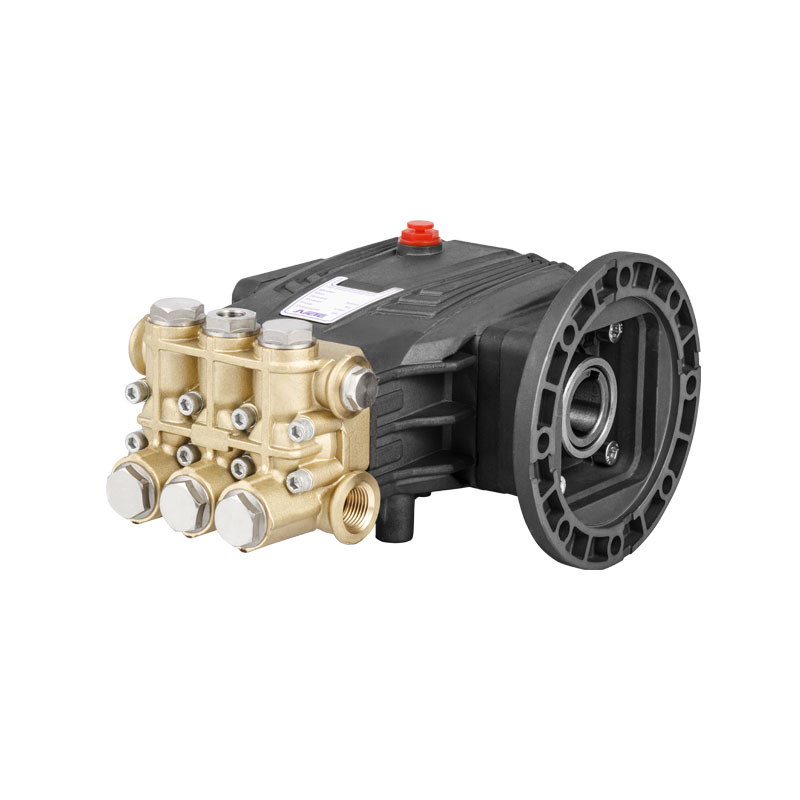
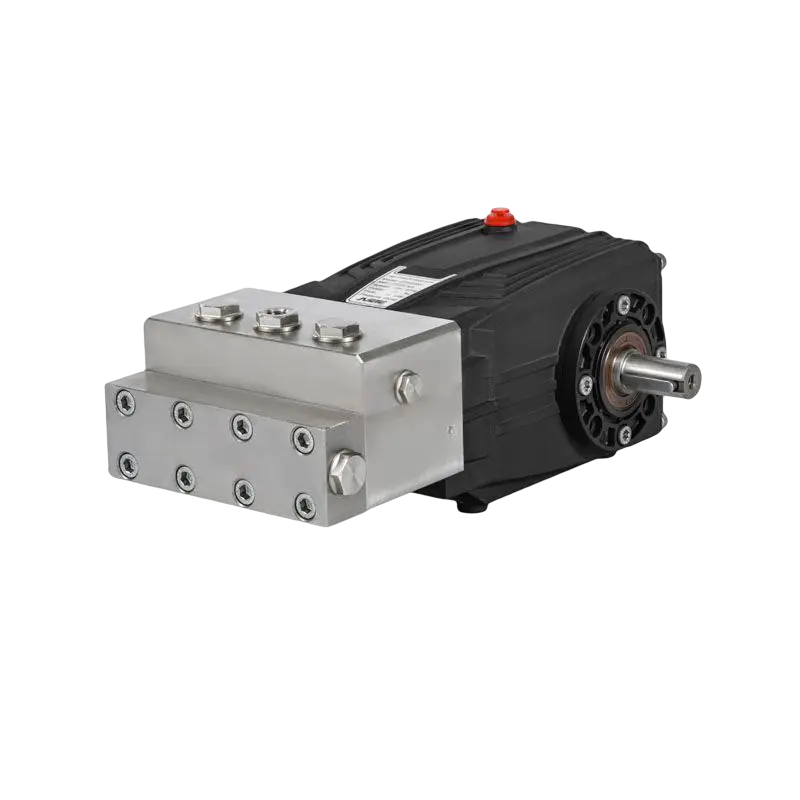
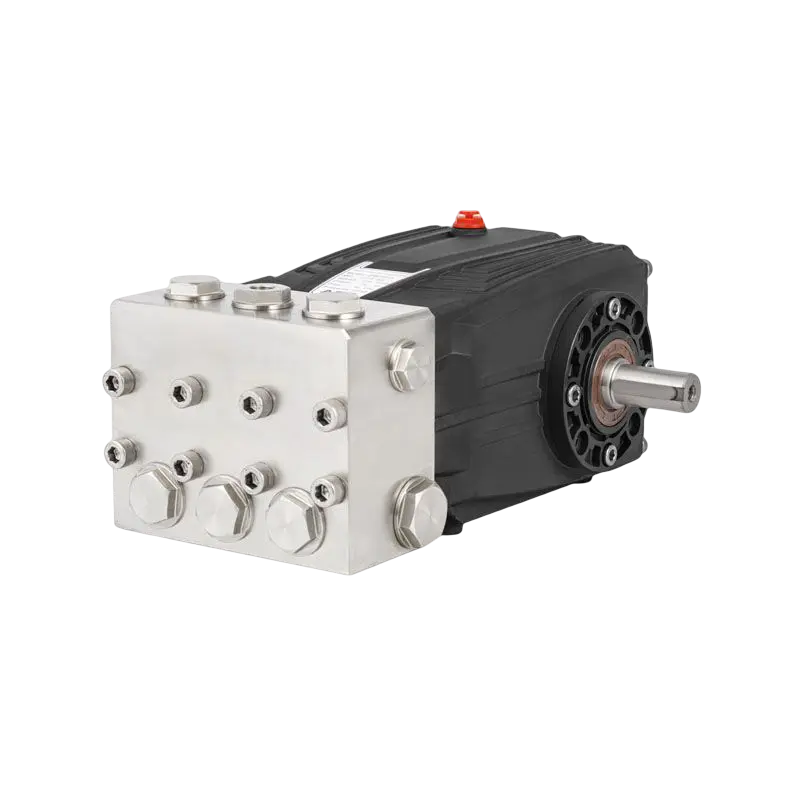
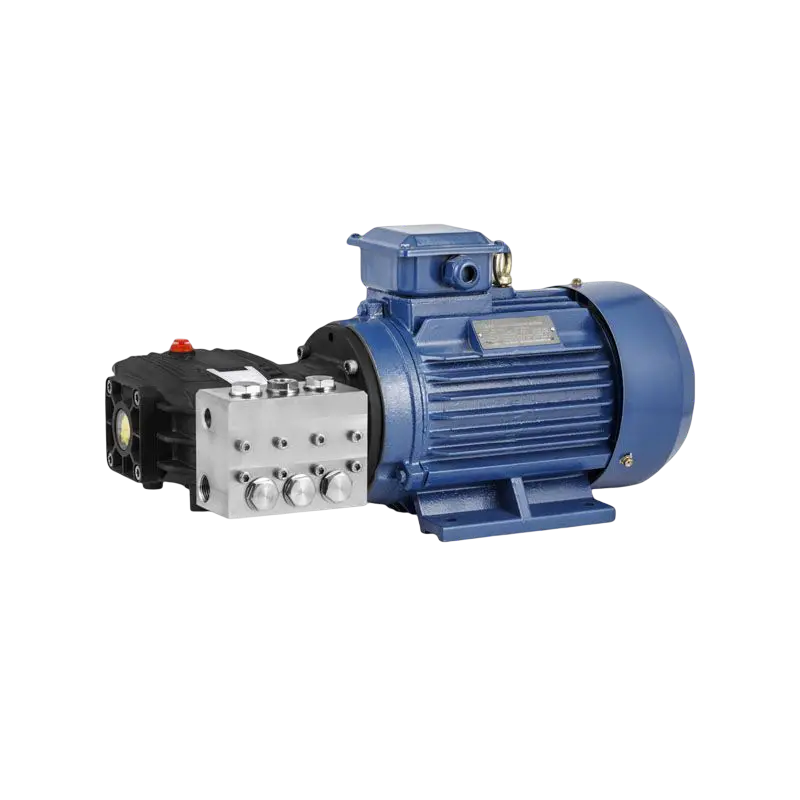
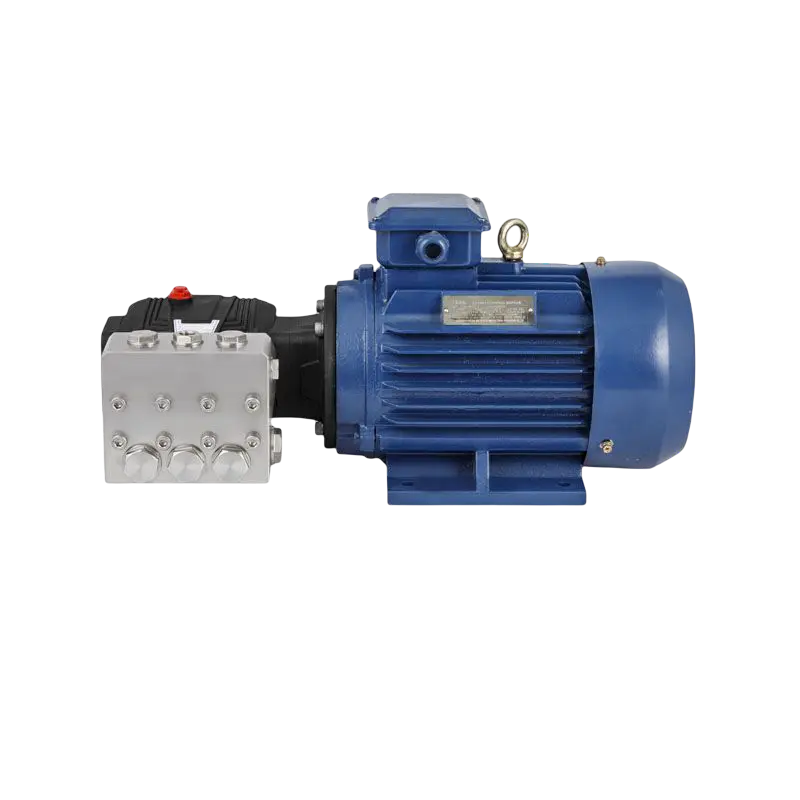
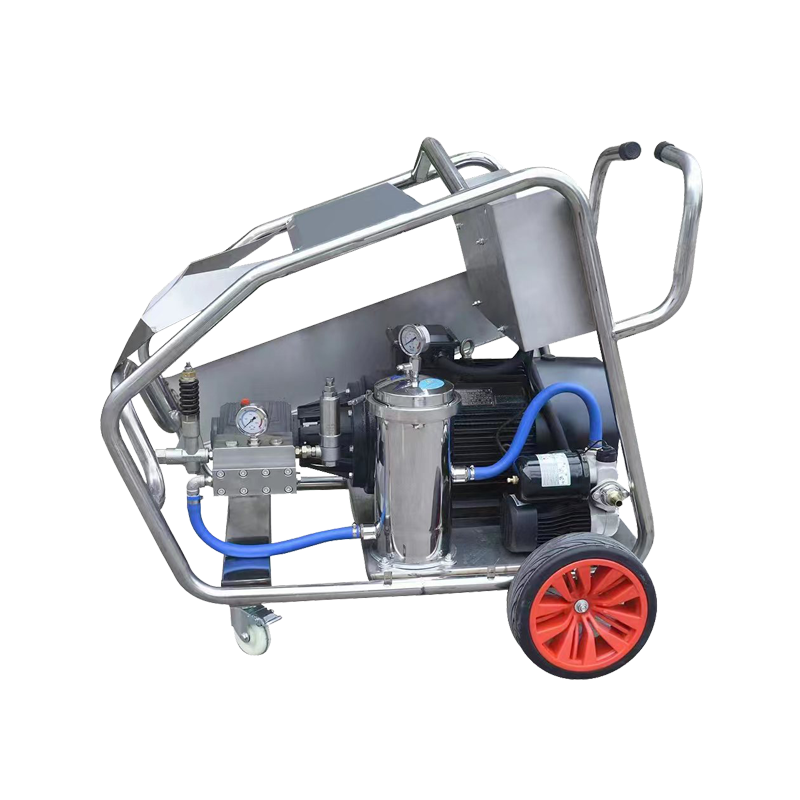
In addressing the global challenge of freshwater scarcity, desalination technology has become increasingly vital. At the heart of the widespread desalination method—Seawater Reverse Osmosis—is a critical piece of equipment demanding exceptional reliability and power: the Seawater Reverse Osmosis Desalination plunger pump. This high-pressure pump is the primary energy input for the SWRO process, responsible for pressurizing pre-treated seawater to the levels necessary to overcome natural osmotic pressure and force pure water through semi-permeable membranes. The performance and efficiency of this specialized plunger pump directly determine the plant's freshwater output, energy consumption, and operational viability.
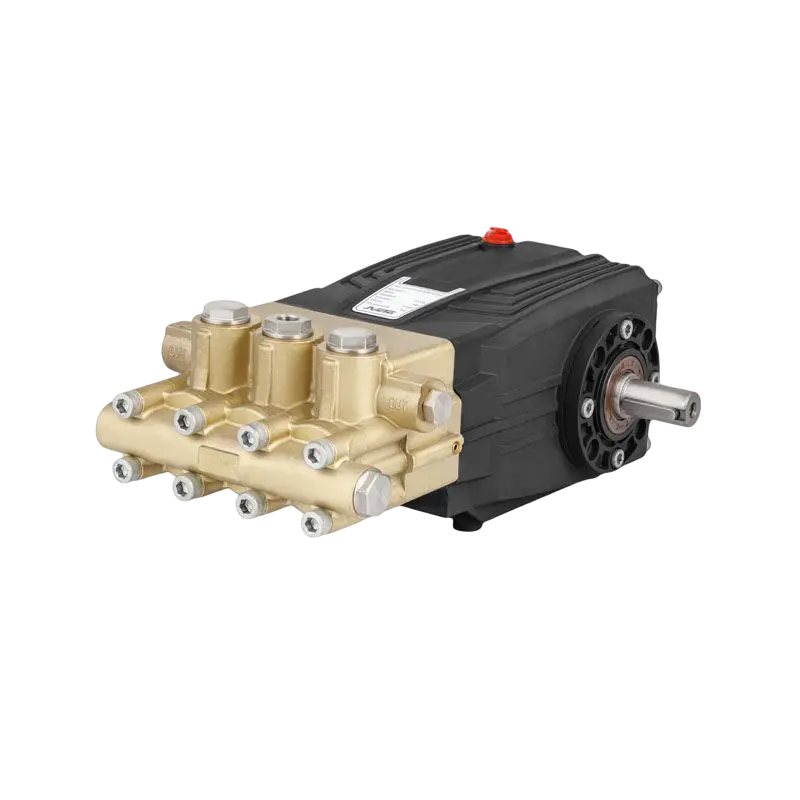
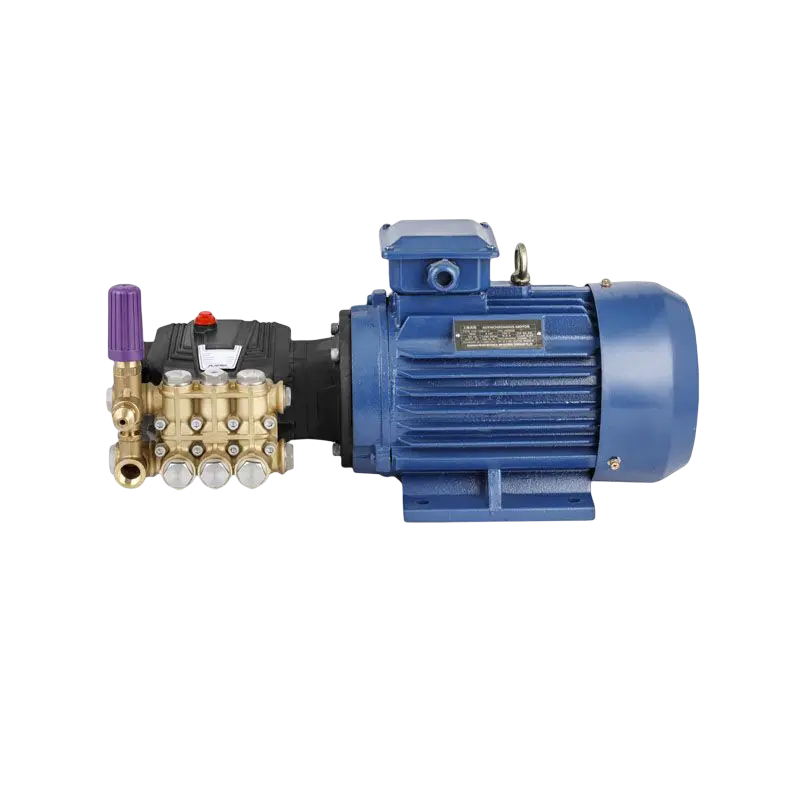
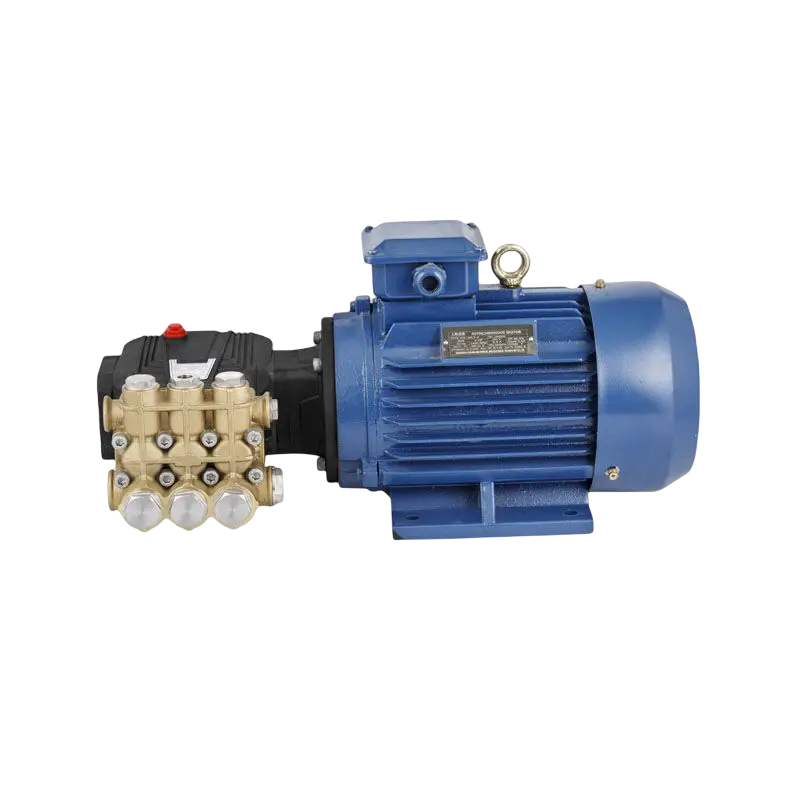
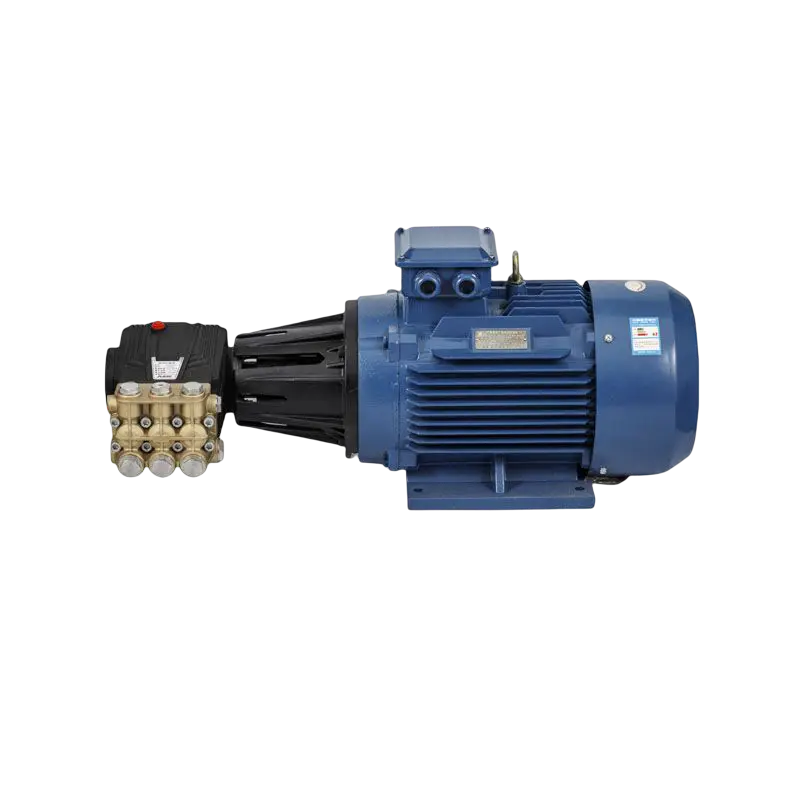
The Seawater Reverse Osmosis Desalination plunger pump operates under uniquely demanding conditions. It must handle a continuous flow of saline water, which is inherently corrosive and can be abrasive due to fine particulates. To generate the required pressures—typically between 800 and 1,200 psi for standard seawater—these pumps are almost exclusively of a positive displacement, multi-plunger design. A triplex or quintuplex plunger pump configuration is common, where multiple plungers work in a phased sequence to smooth out flow pulsations and deliver a stable, high-pressure stream to the membrane racks. This stability is crucial for protecting the delicate reverse osmosis membranes from pressure shocks that could damage them.
Material selection and engineering for a Seawater Reverse Osmosis Desalination plunger pump are paramount. Components in contact with seawater, such as the fluid end, plungers, valves, and seals, are constructed from highly corrosion-resistant superalloys like duplex or super duplex stainless steel, or from engineered ceramics and advanced polymers. This prevents rapid deterioration and ensures long service intervals. The design also focuses on energy efficiency, as the plunger pump is the single largest consumer of electrical power in a desalination plant. Even a small percentage gain in pump efficiency translates to massive reductions in the overall cost of produced water. Modern high-efficiency Seawater Reverse Osmosis Desalination plunger pump designs optimize fluid dynamics and reduce internal friction losses.
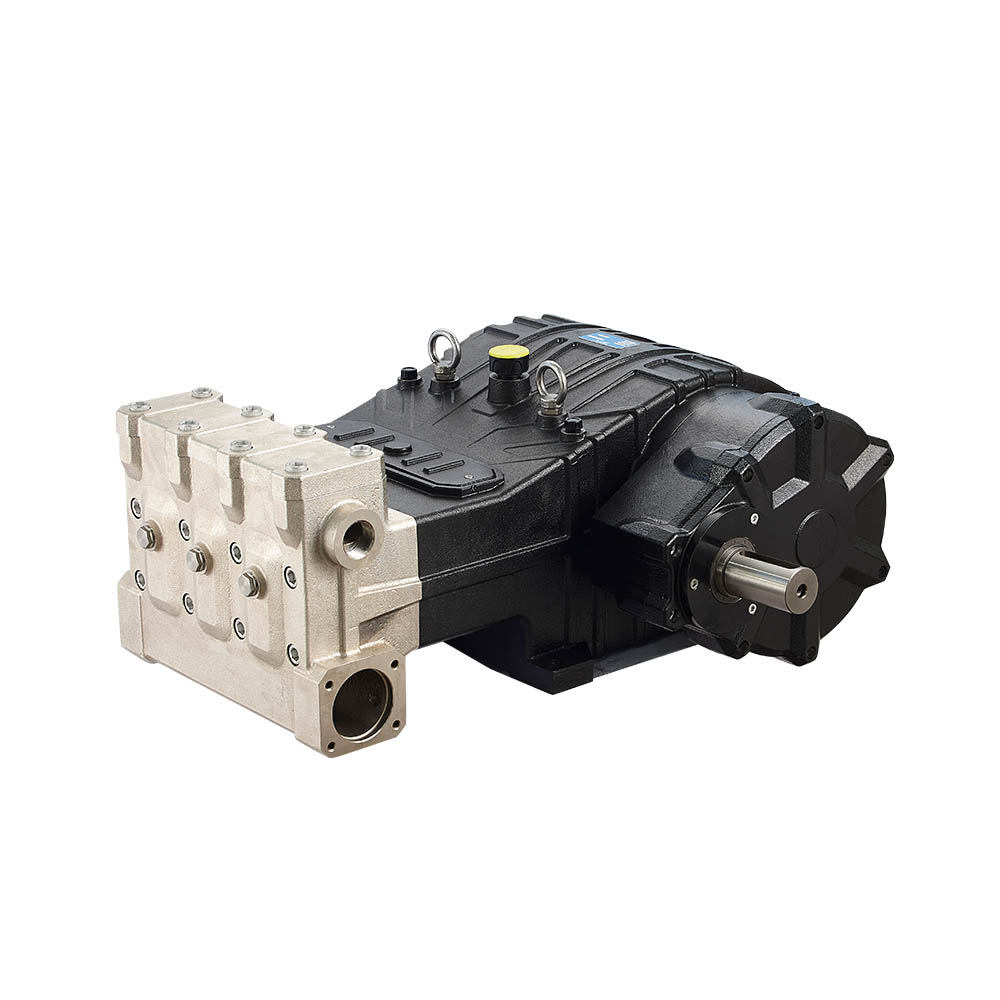
The role of this plunger pump extends beyond mere pressurization; it is integral to the plant's control and recovery strategy. The pump's output pressure is precisely controlled, often via variable frequency drives, to match the specific salinity and temperature of the intake seawater and to achieve the desired freshwater recovery rate. This precise control improves membrane productivity while small energy use and the scaling potential of the concentrated brine. The reliability of the Seawater Reverse Osmosis Desalination plunger pump is non-negotiable, as unscheduled downtime can halt the entire water production process for communities or industries that depend on it.
Innovation in Seawater Reverse Osmosis Desalination plunger pump technology is tightly linked to the sector's drive for lower energy consumption and greater sustainability. Research focuses on developing new, even more corrosion-resistant and wear-resistant materials to extend maintenance cycles and reduce lifecycle costs. Pump designs are being refined for higher efficiency across a broader operating range. As desalination becomes a more critical component of water security strategies worldwide, the continuous advancement of the robust, efficient, and reliable Seawater Reverse Osmosis Desalination plunger pump will remain a key enabler, ensuring that the process of turning seawater into a vital resource is as effective and economical as possible.