
-2(1).png)
 English
 Español
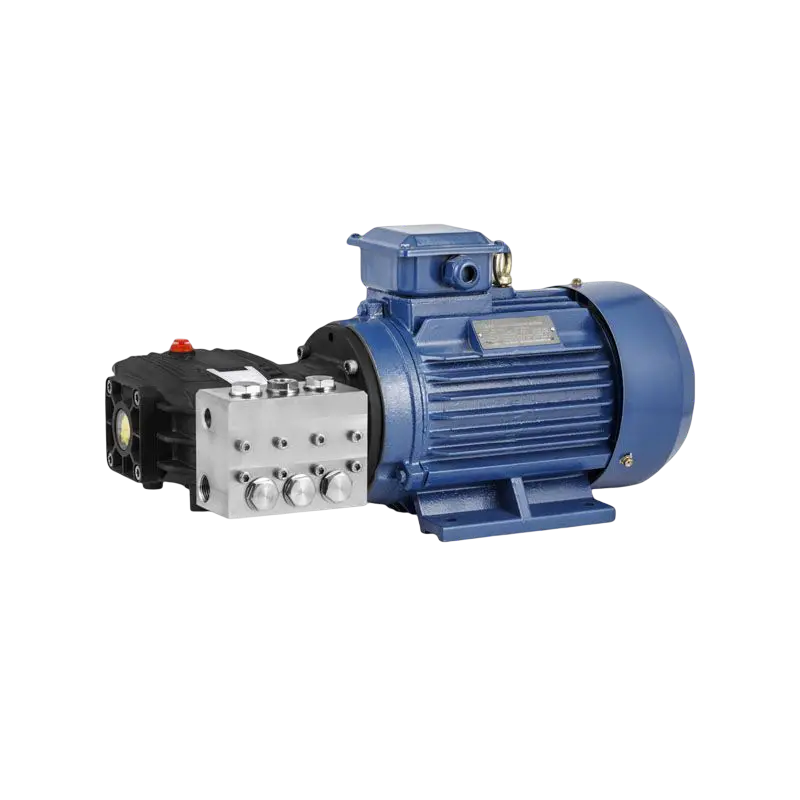
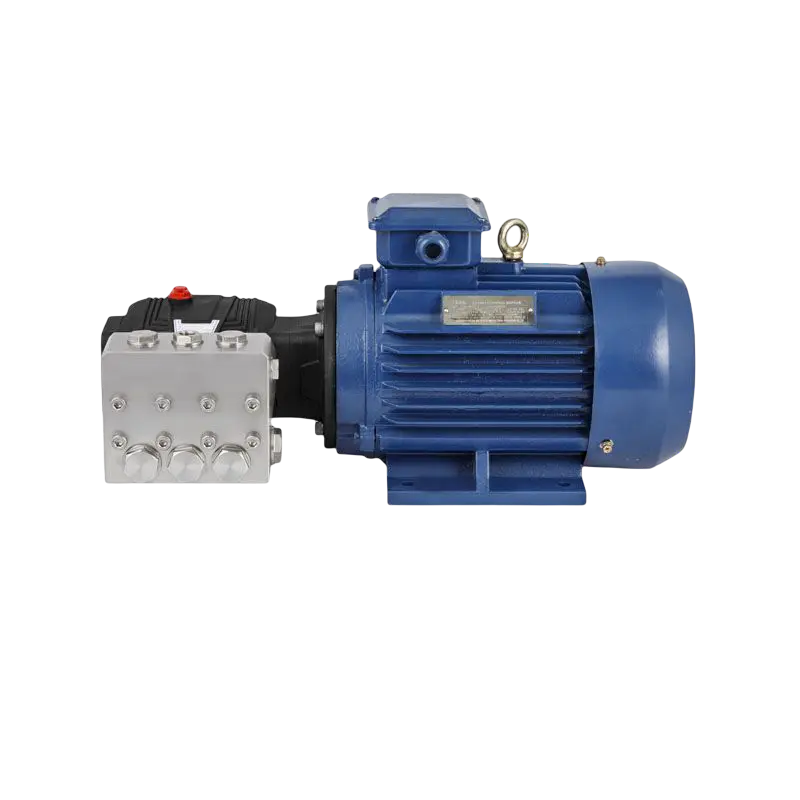
Across a diverse range of industries requiring the reliable movement of fluids against significant resistance, the technology of high pressure plunger pumps remains fundamentally important. These robust positive displacement pumps are engineered to generate and sustain exceptionally high output pressures, making them indispensable for applications where standard centrifugal pumps are ineffective. The consistent operation of high pressure plunger pumps is crucial for tasks in water jet cutting, chemical injection, descaling, and hydraulic pressure testing, underscoring their role as a cornerstone of industrial fluid power.
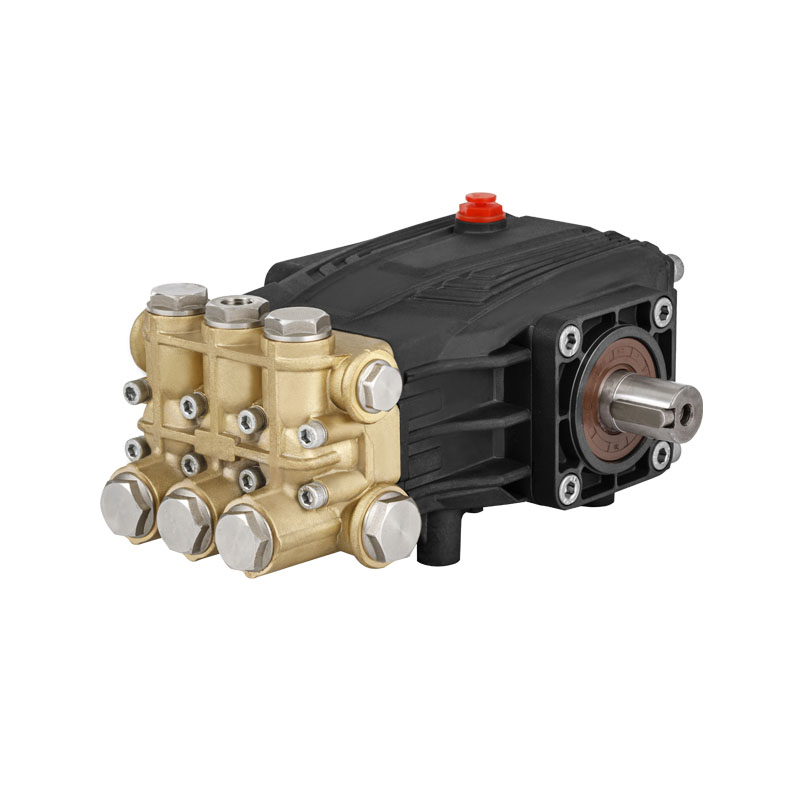
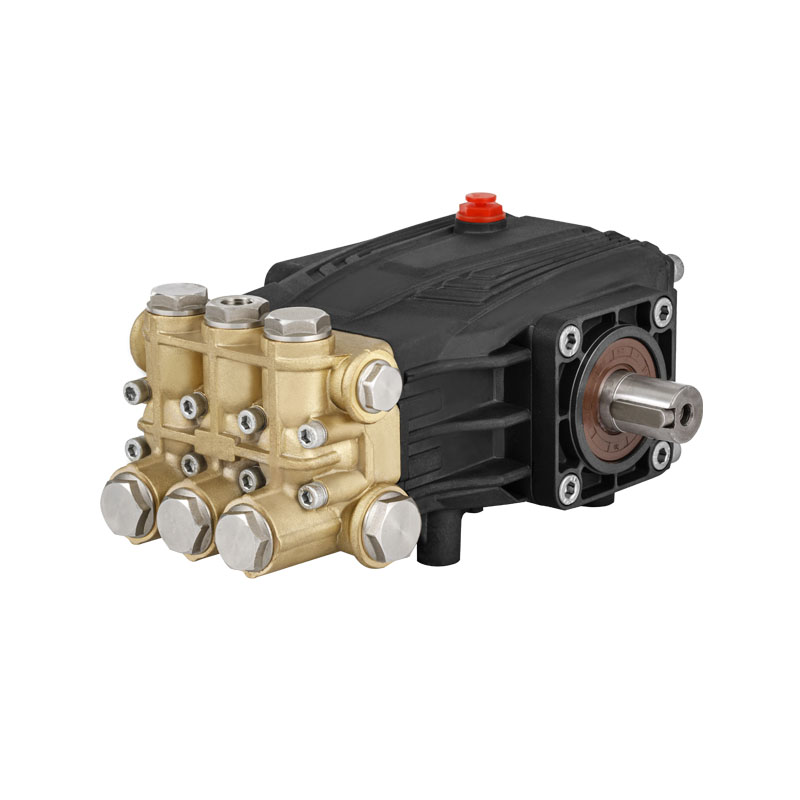
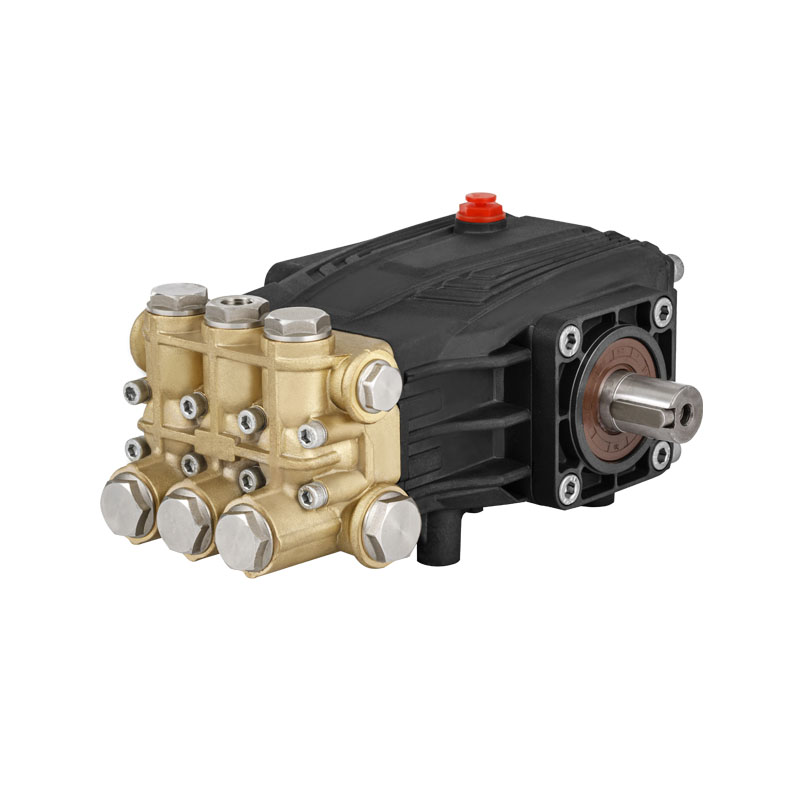
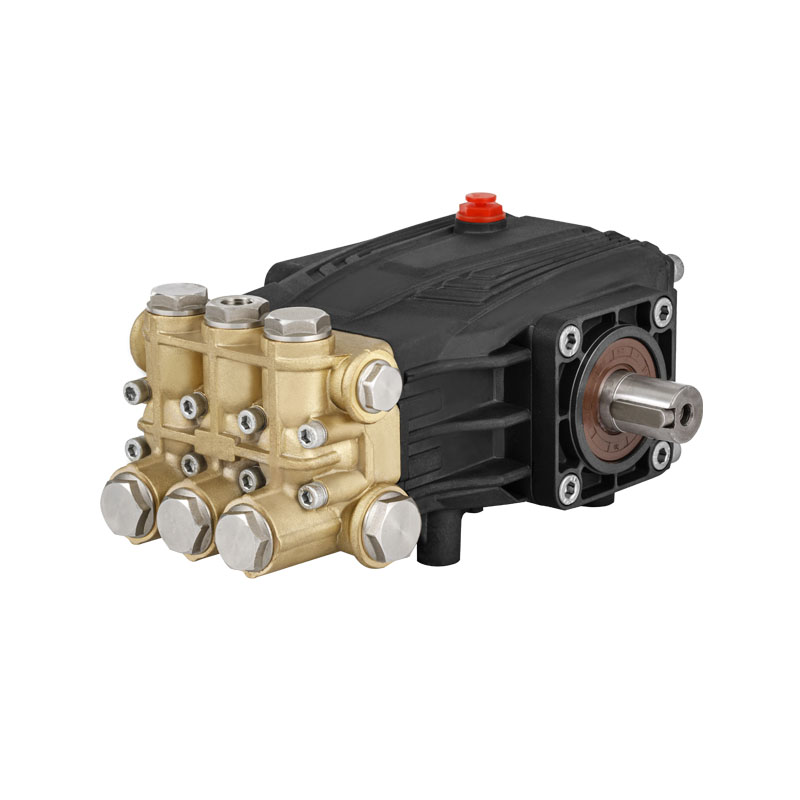
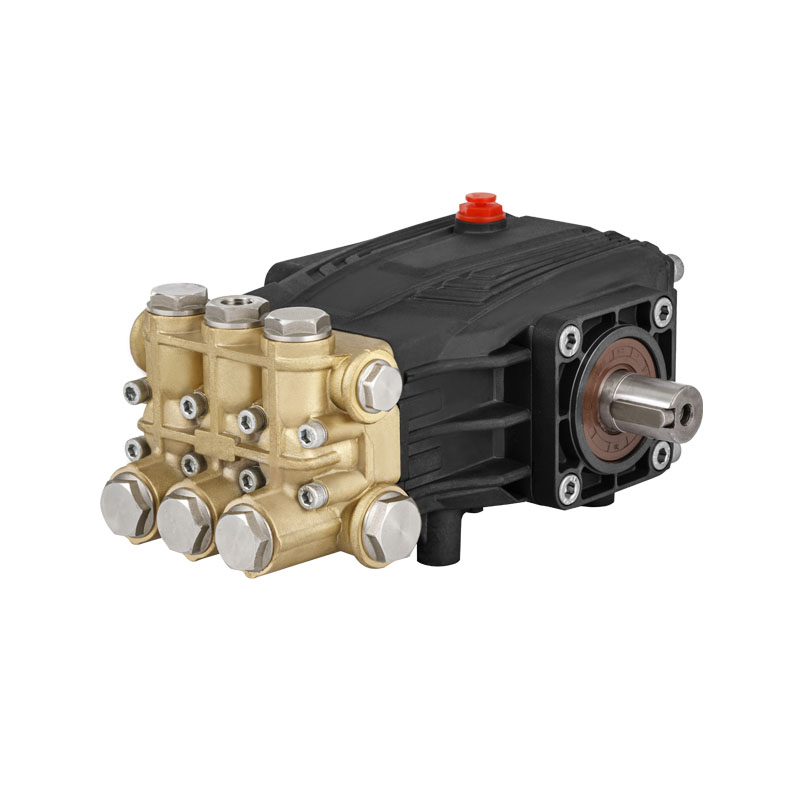
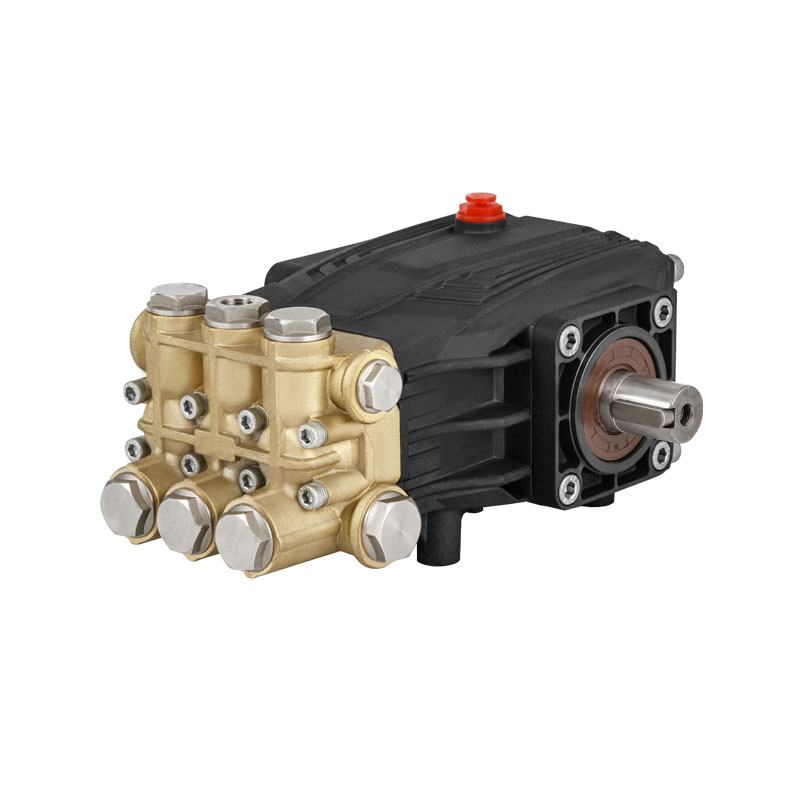
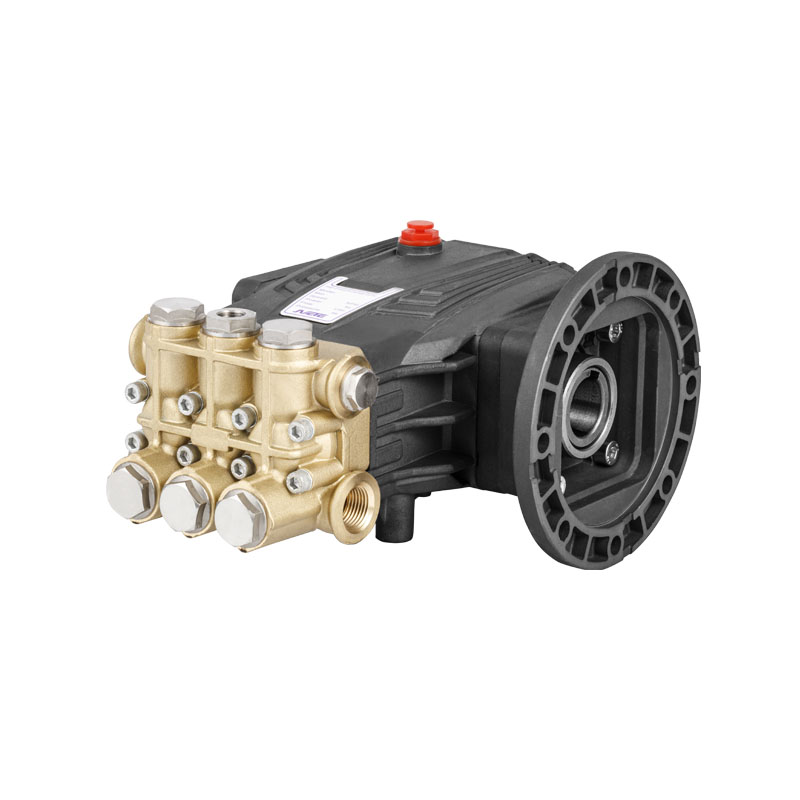
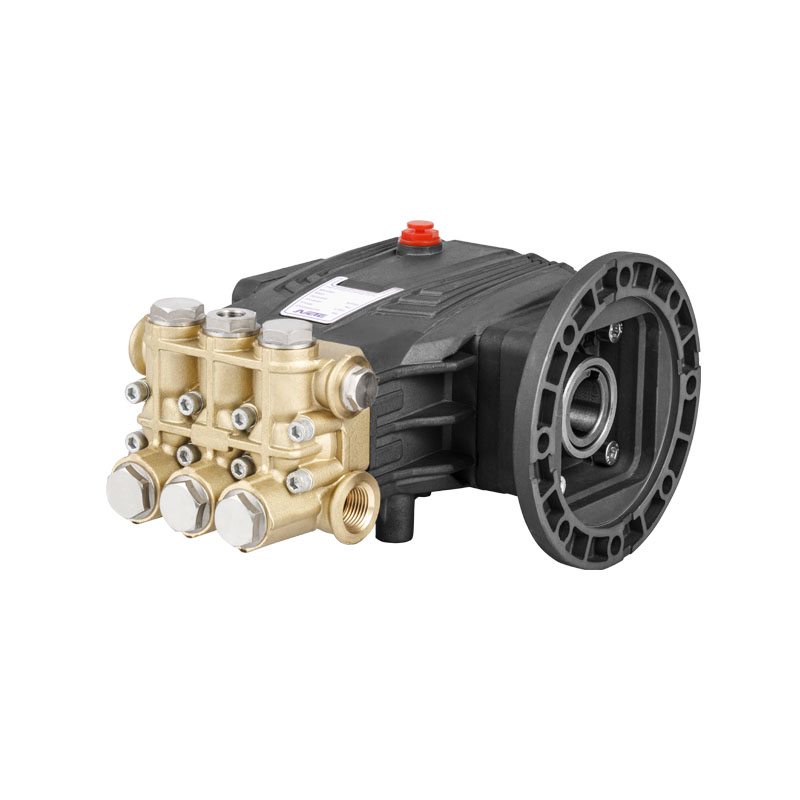
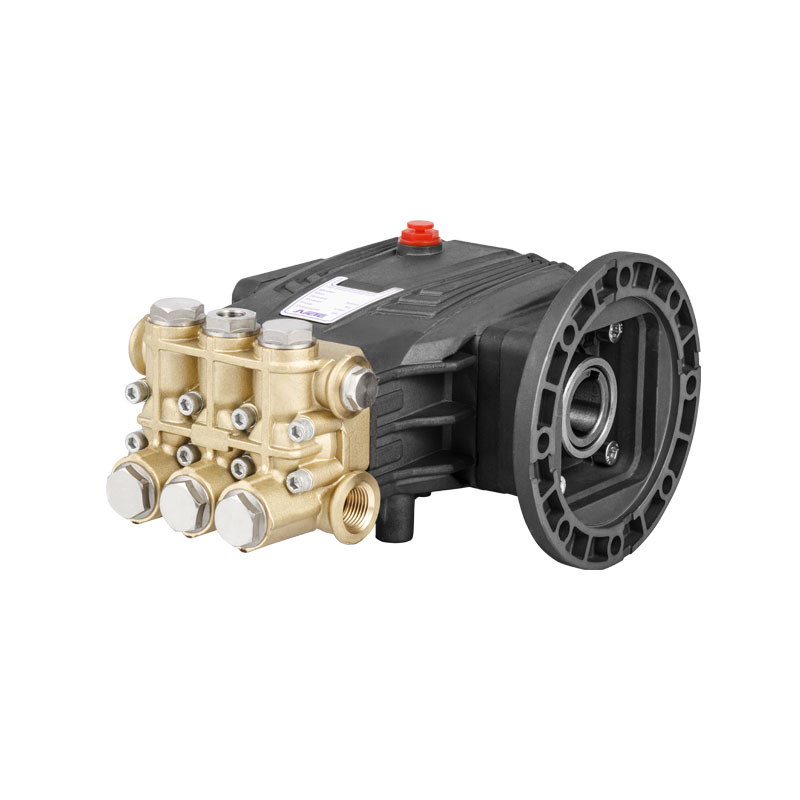
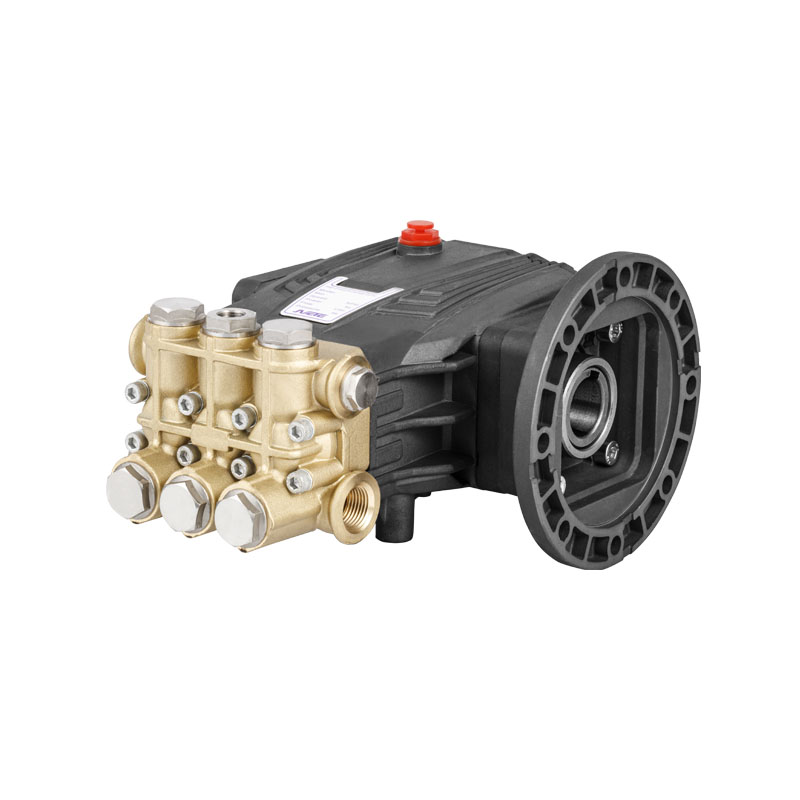
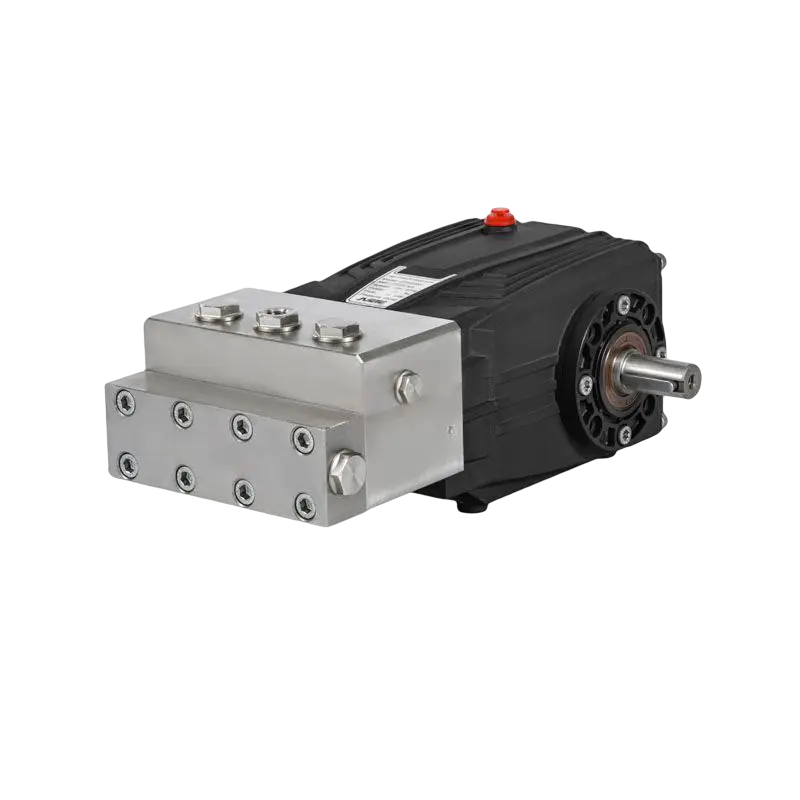
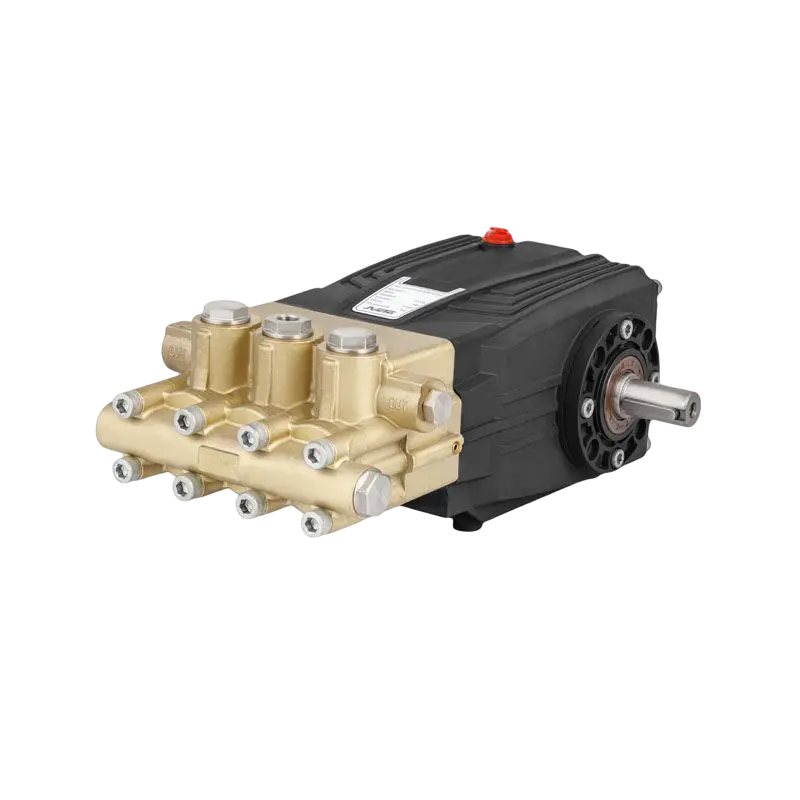
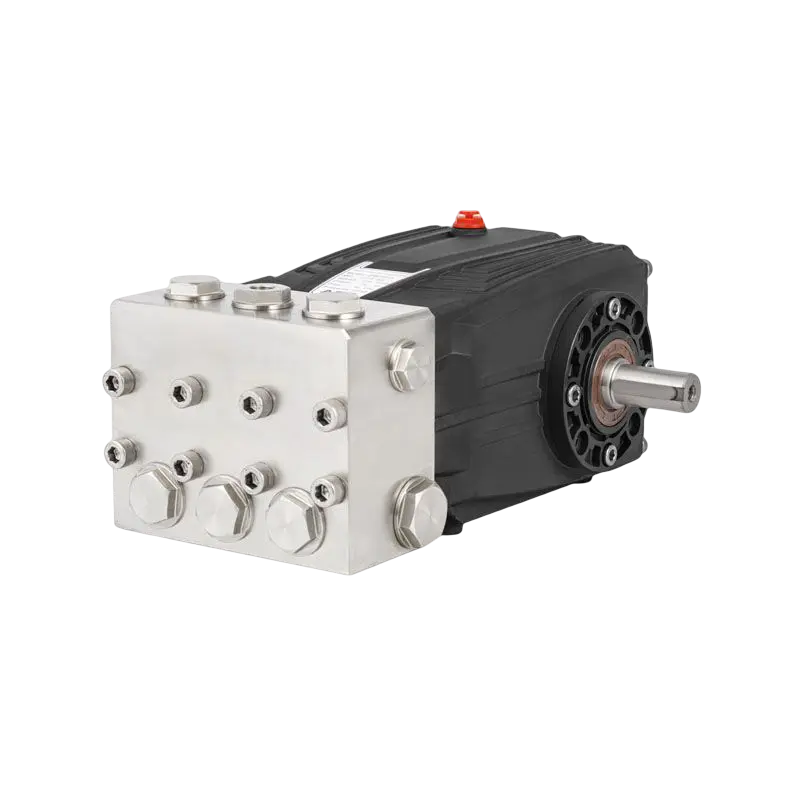
The defining mechanism of high pressure plunger pumps involves the reciprocating motion of solid cylindrical plungers within precision-machined chambers. Unlike piston pumps, which use seals on the moving element, the plunger in a high pressure plunger pump is typically a smooth, hard cylinder that moves through a stationary seal assembly. This design is key to the capability of high pressure plunger pumps to achieve bad pressures, often reaching hundreds or even thousands of bar. As a plunger retracts, it draws fluid into the chamber through an inlet valve. On the forward stroke, it pressurizes the fluid, forcing it past an outlet check valve and into the system. Multiple plungers, often arranged in a radial or axial configuration and driven by a common crankshaft, work in sequence to smooth the flow pulsation inherent to reciprocating action, enhancing the performance consistency of high pressure plunger pumps.
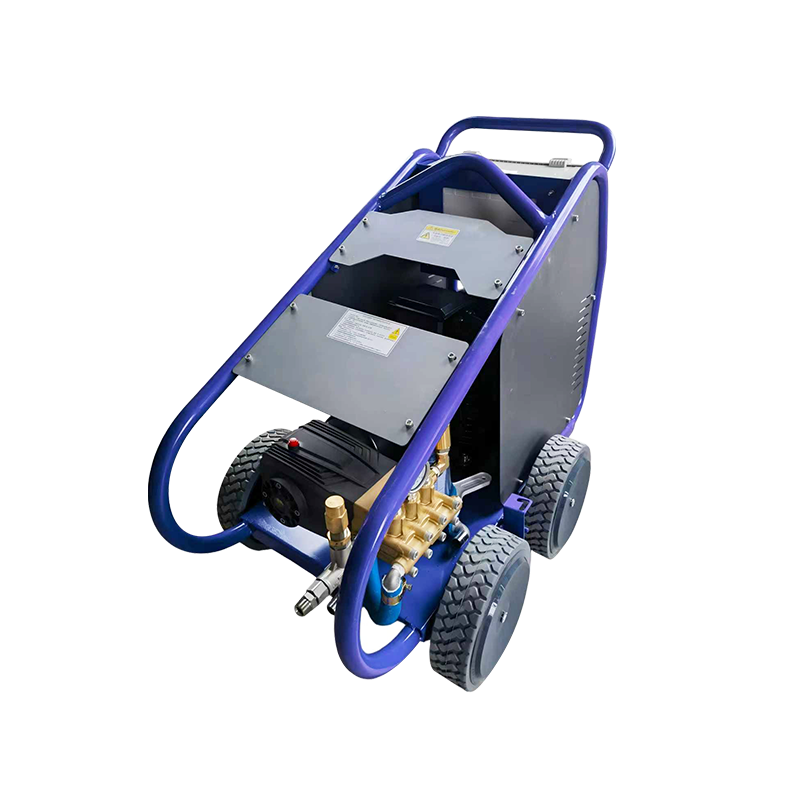
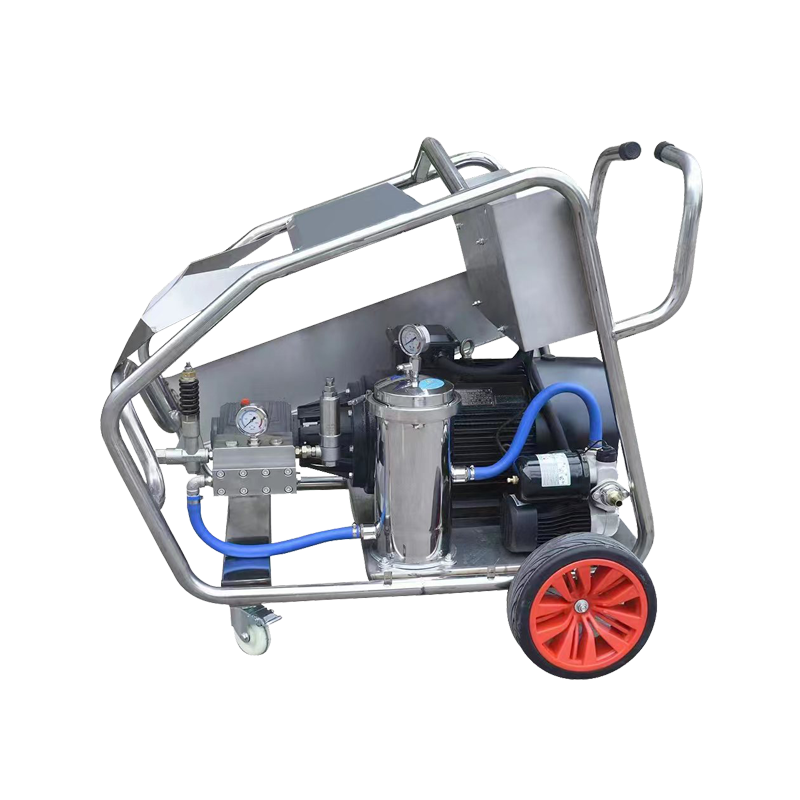
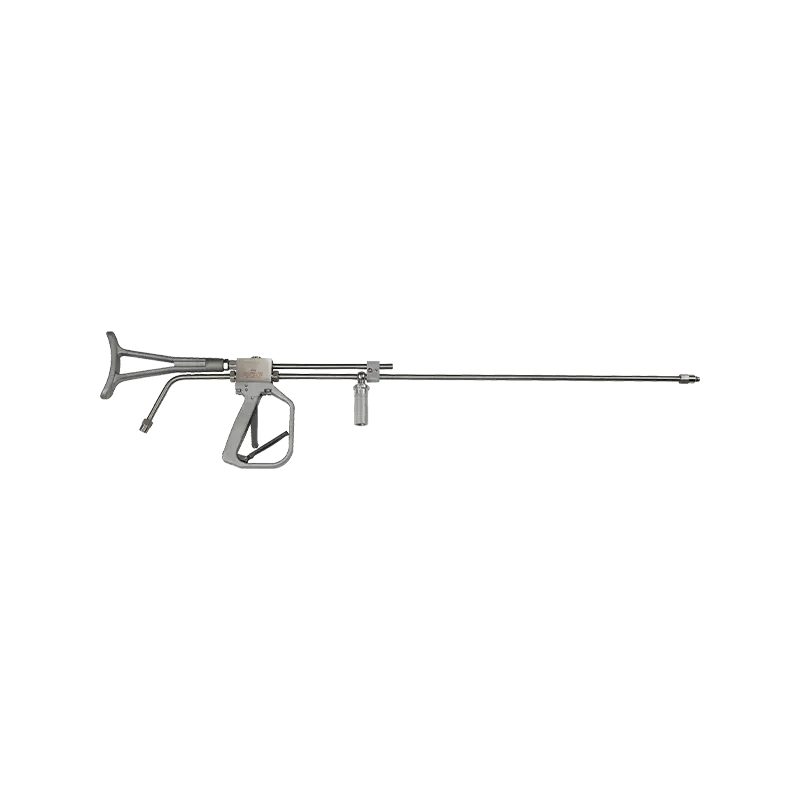
The application spectrum for high pressure plunger pumps is both specialized and vital. In industrial cleaning and surface preparation, high pressure plunger pumps are the core of water jetting systems used for cutting metals, composites, and stone, as well as for removing tough coatings and deposits. Within the oil and gas sector, these pumps are used for water flooding in secondary recovery, for metering precise volumes of chemicals downhole, and for wellhead pressure testing. The manufacturing and processing industries utilize high pressure plunger pumps for hydraulic forming presses, for descaling steel during production, and for feeding reverse osmosis systems in water purification. The ability of high pressure plunger pumps to handle clean water, emulsions, oils, and certain chemical solutions with high efficiency contributes to their broad utility.
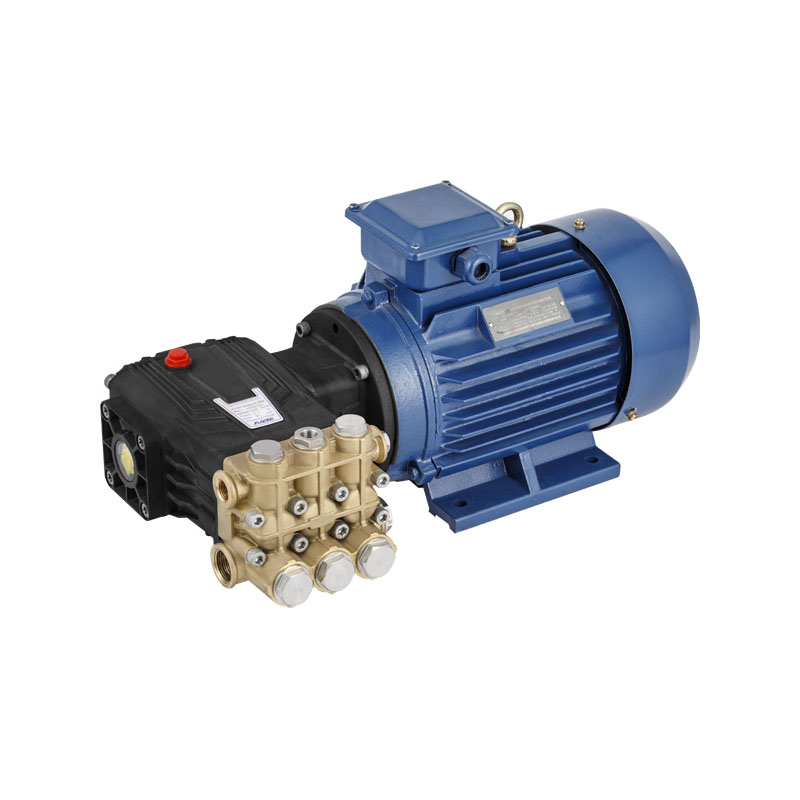
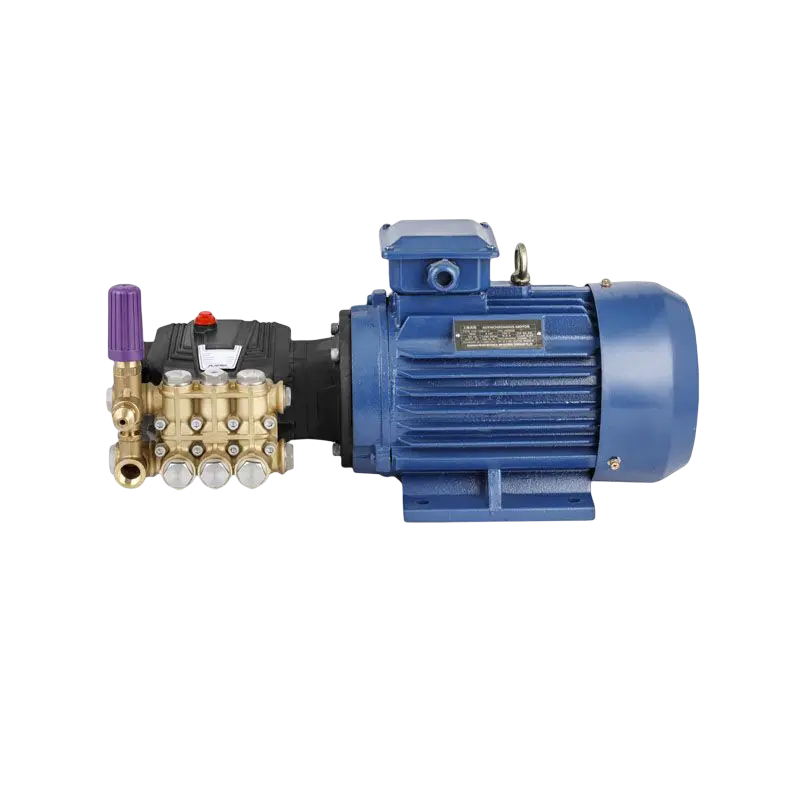
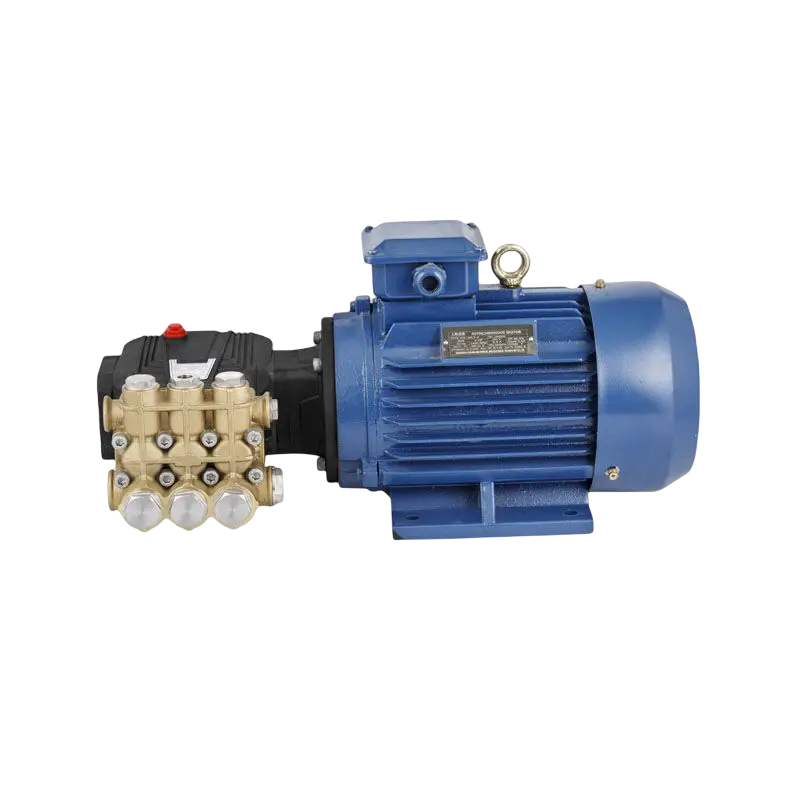
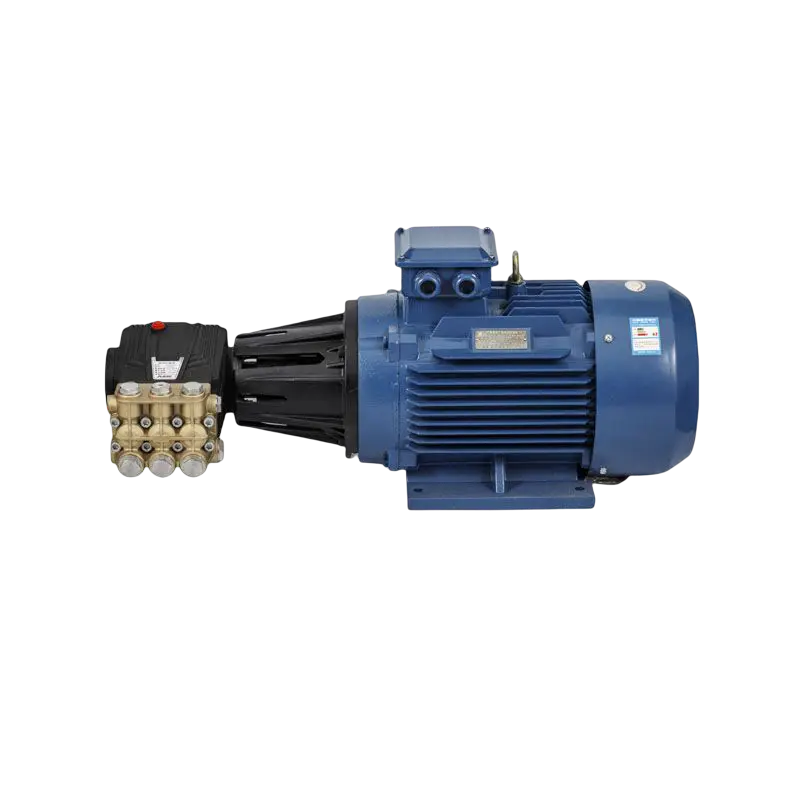
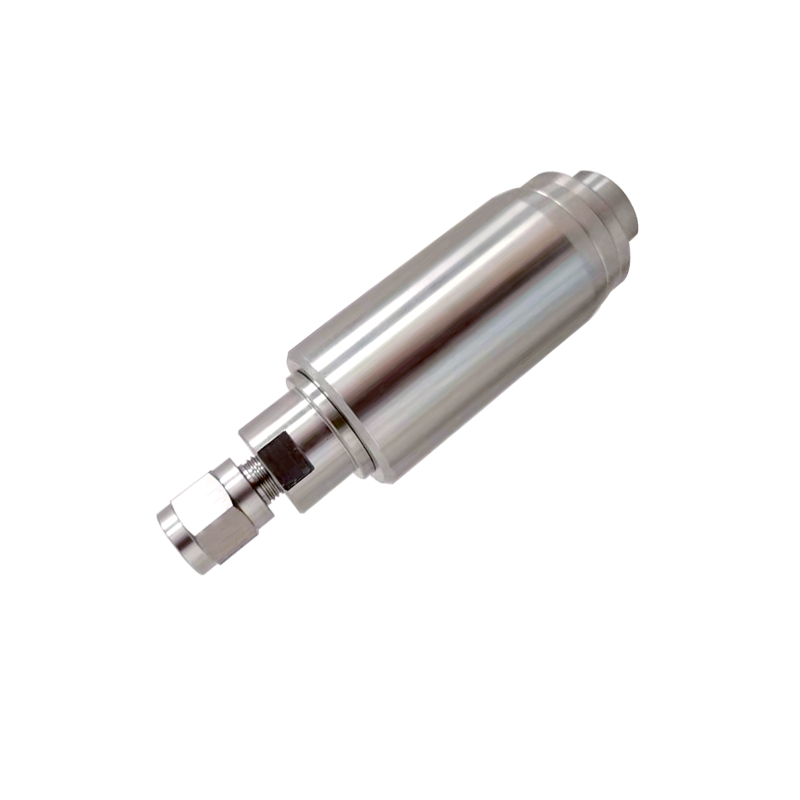
The design and construction of reliable high pressure plunger pumps focus on managing immense mechanical and hydraulic stresses. Key components such as the plungers, seals, fluid cylinders, and valves are manufactured from hardened alloys, advanced ceramics, or engineered composites to resist wear, corrosion, and fatigue. The power end, which converts rotational drive into the linear motion of the plungers, is built for heavy-duty service with robust bearings and lubrication systems. Modern high pressure plunger pumps often incorporate advanced seal technologies that extend service intervals and improve volumetric efficiency, directly impacting the operational cost and uptime of the systems they serve.
The development trajectory for high pressure plunger pumps emphasizes greater energy efficiency, material science advancements, and adaptability to new industrial challenges. Research into improved seal and valve designs aims to reduce internal leakage and maintenance frequency. As industries pursue more sustainable operations, the efficiency of high pressure plunger pumps in converting mechanical power into hydraulic energy becomes increasingly valuable. Whether enabling precise material processing, supporting resource extraction, or ensuring the safety of pressure vessels, high pressure plunger pumps will continue to be an essential technology, providing the relentless force required to power demanding applications across the global industrial landscape.