
-2(1).png)
 English
 Español
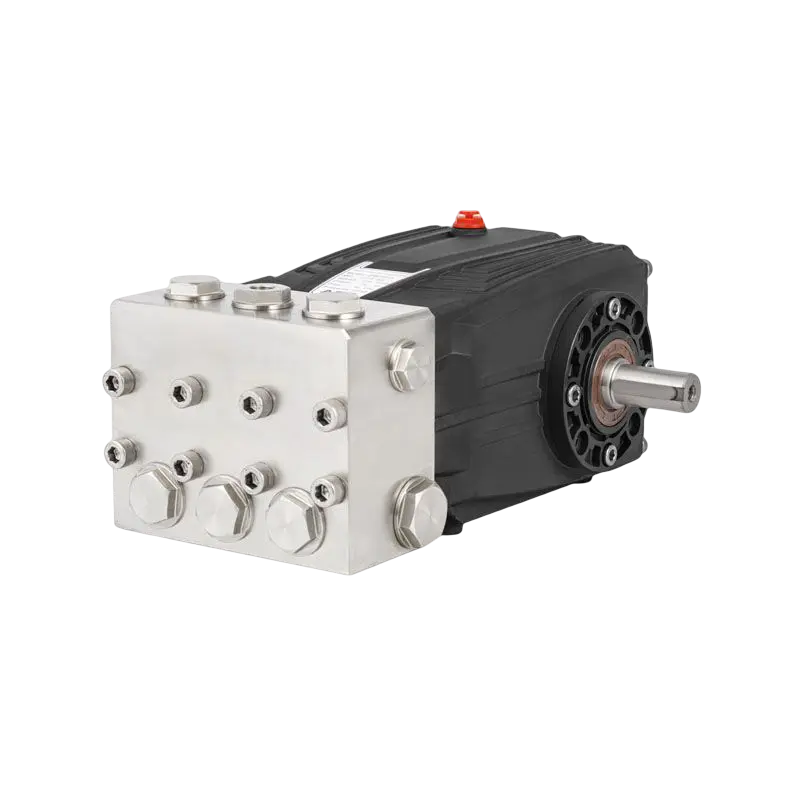
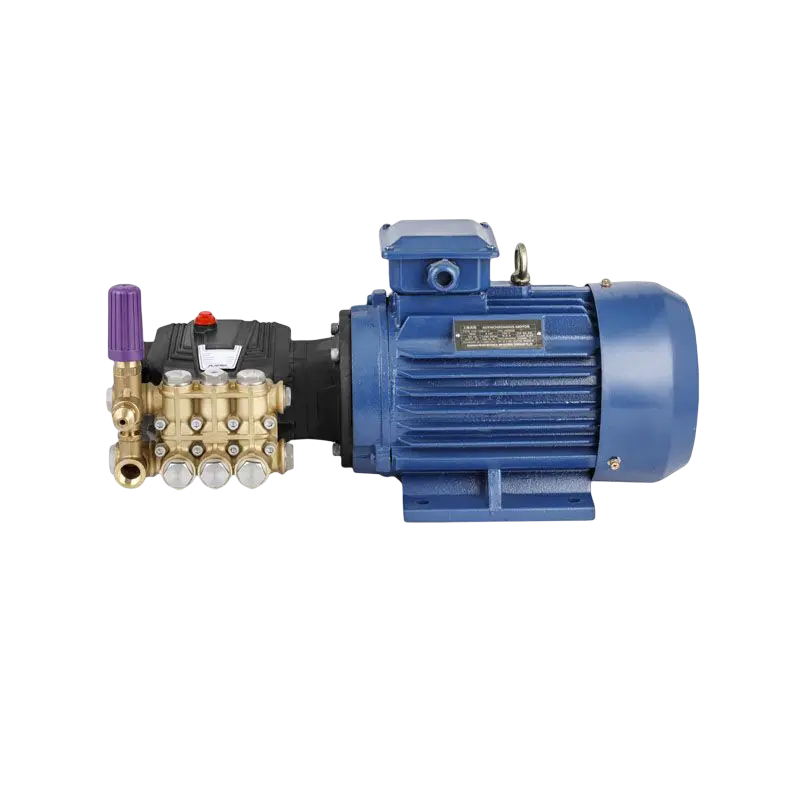
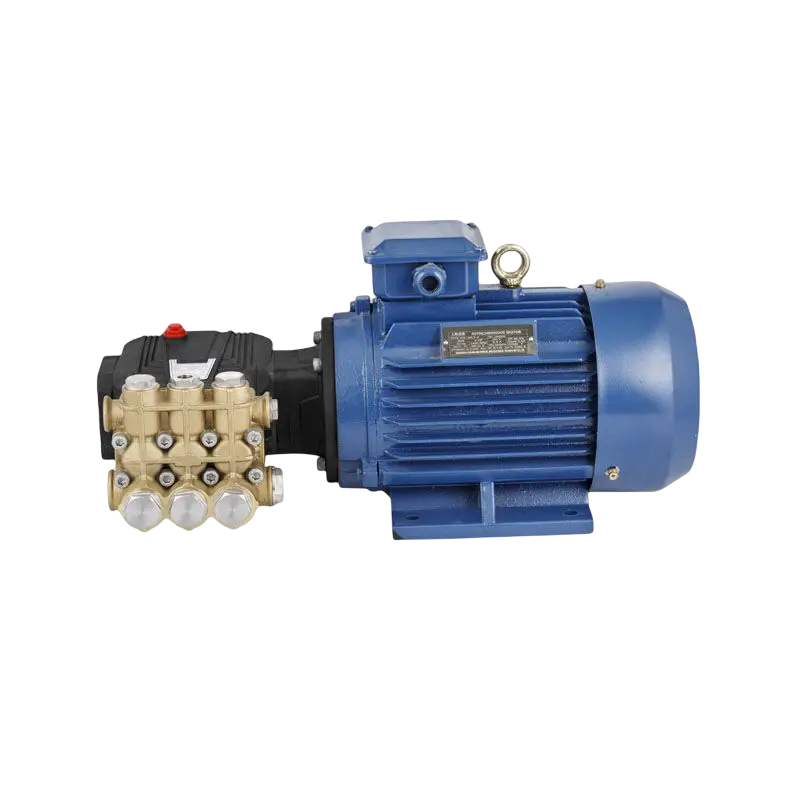
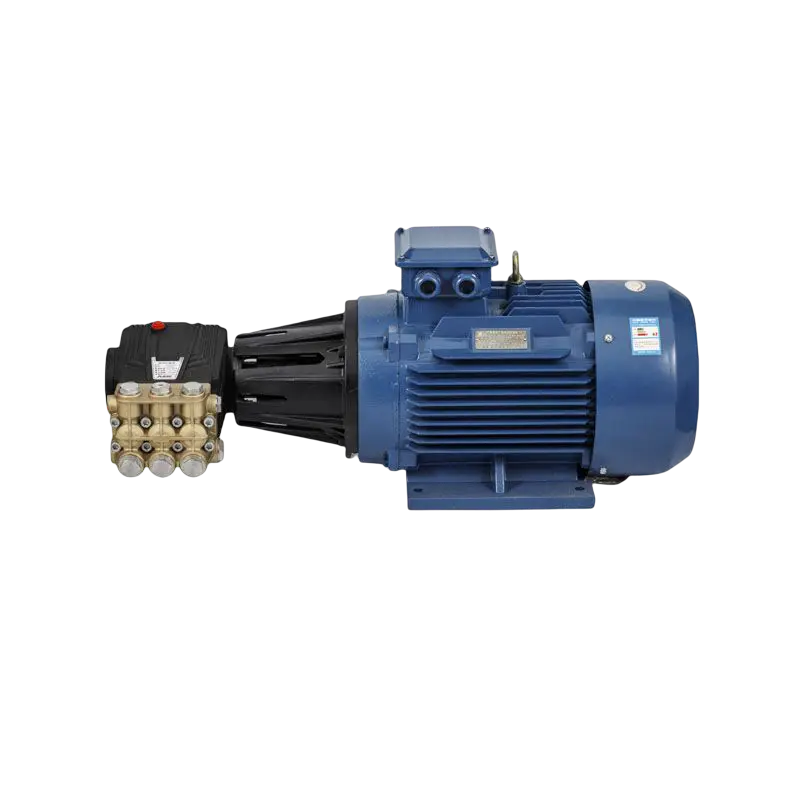
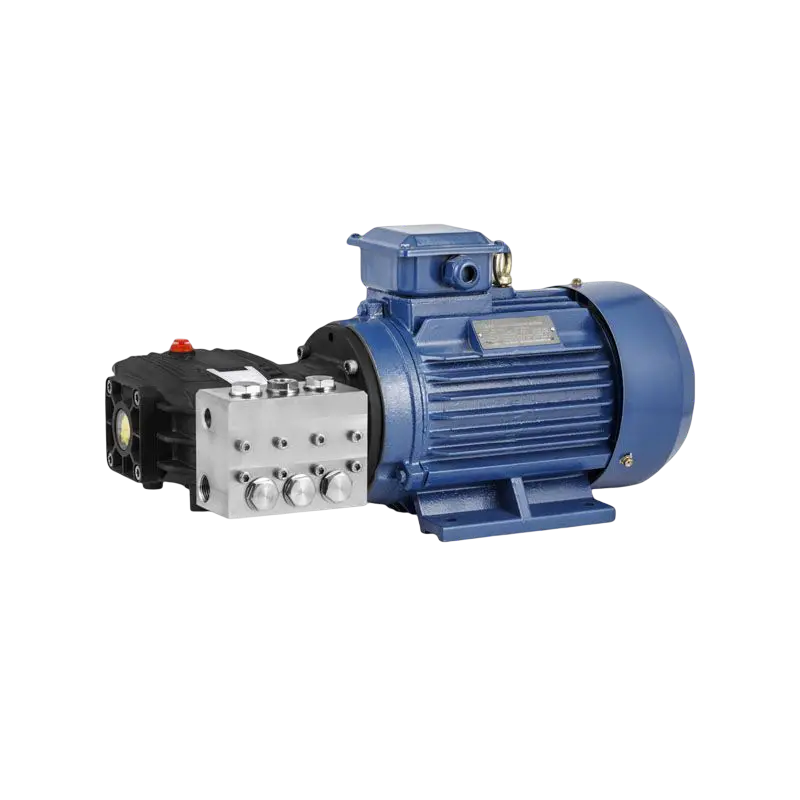
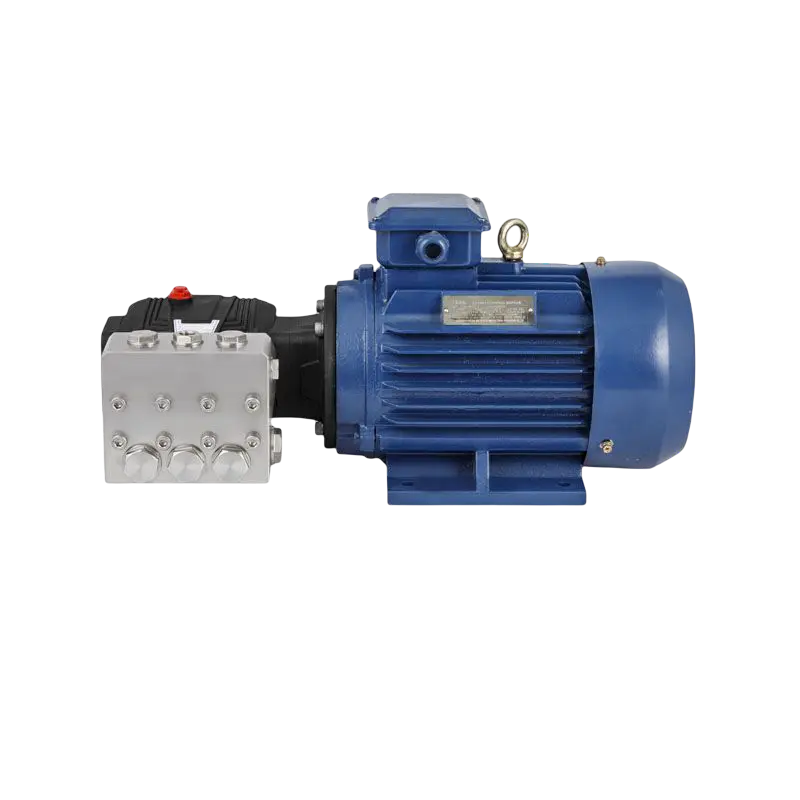
The industrial sector is witnessing a sustained reliance on a technology that combines power and precision for critical maintenance and preparation tasks: high pressure water blasting pumps. These robust pumping systems are engineered to deliver water at pressures significantly surpassing standard cleaning equipment, enabling the removal of stubborn deposits, tough coatings, and contaminated materials. The application of high pressure water blasting pumps spans industries from maritime and petrochemical to construction and manufacturing, highlighting their role as essential tools for operational efficiency, safety, and surface integrity.
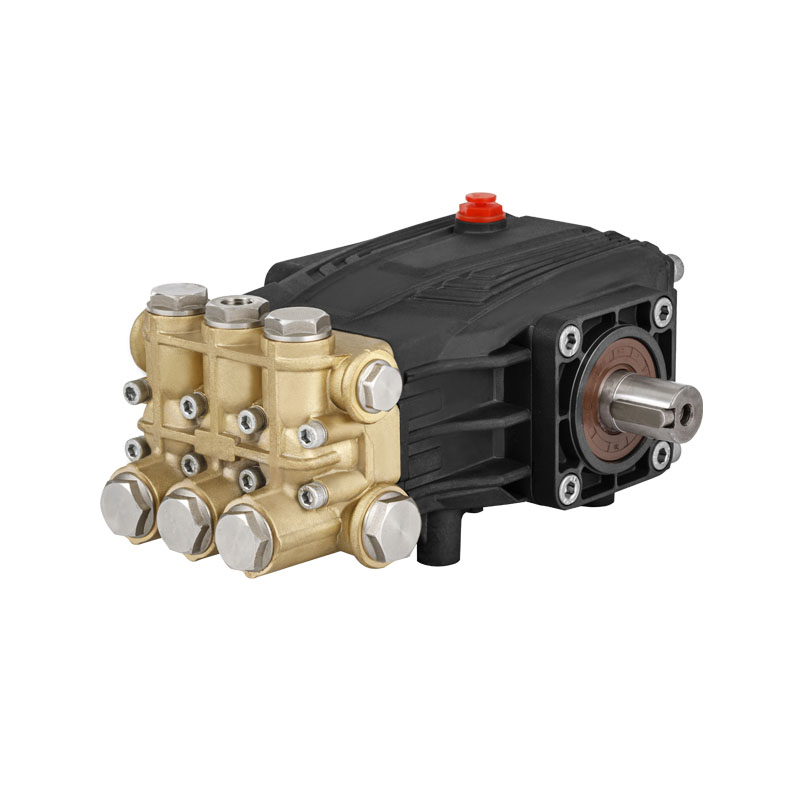
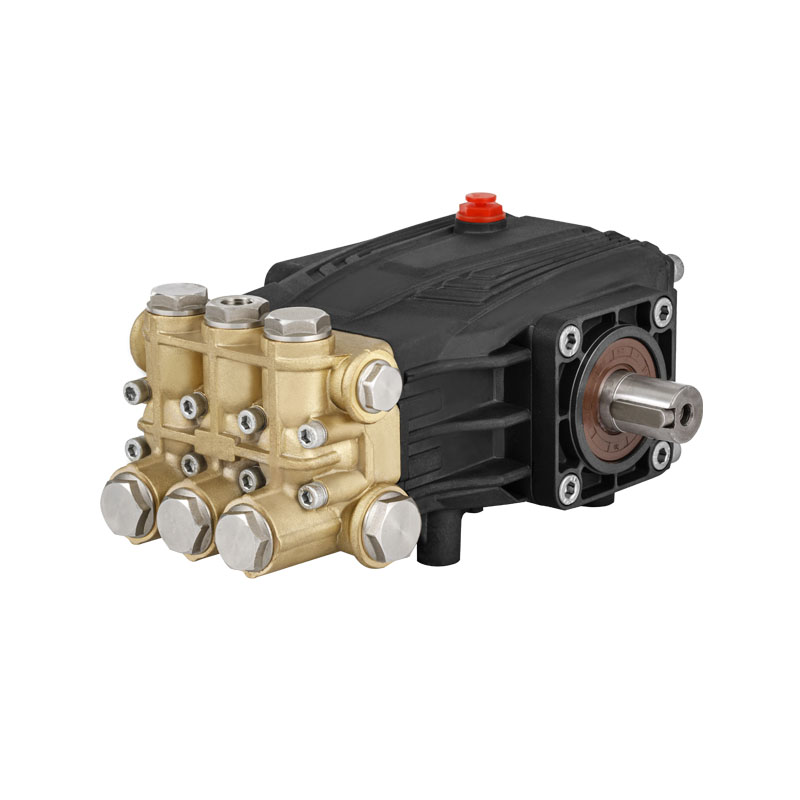
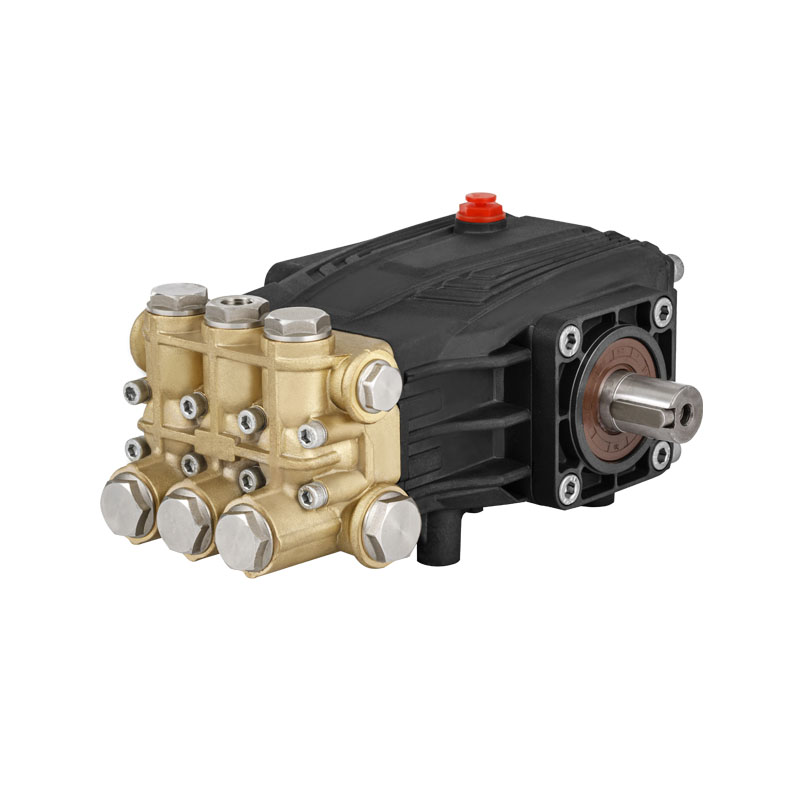
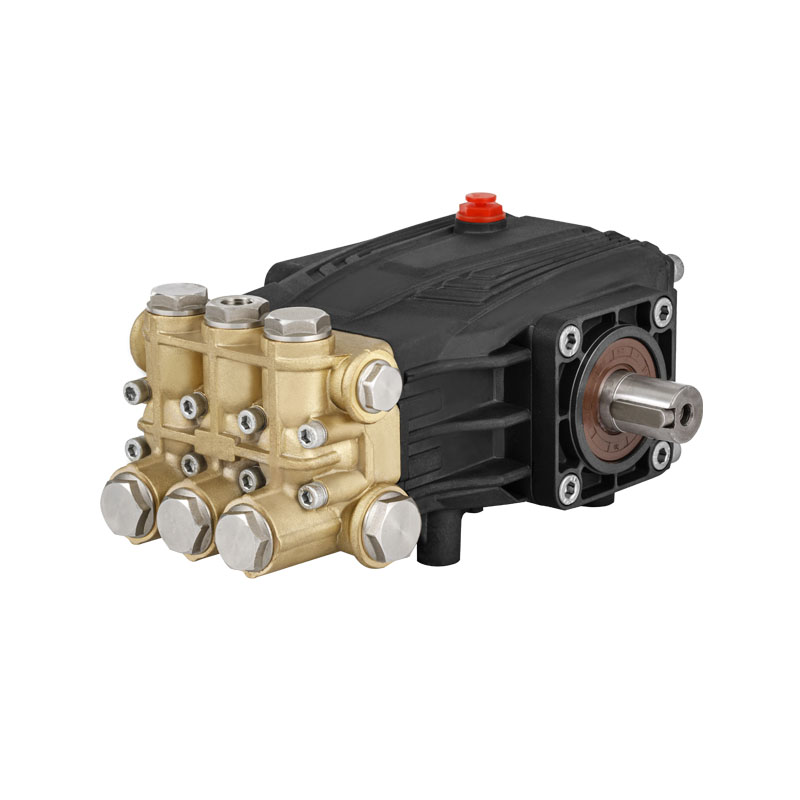
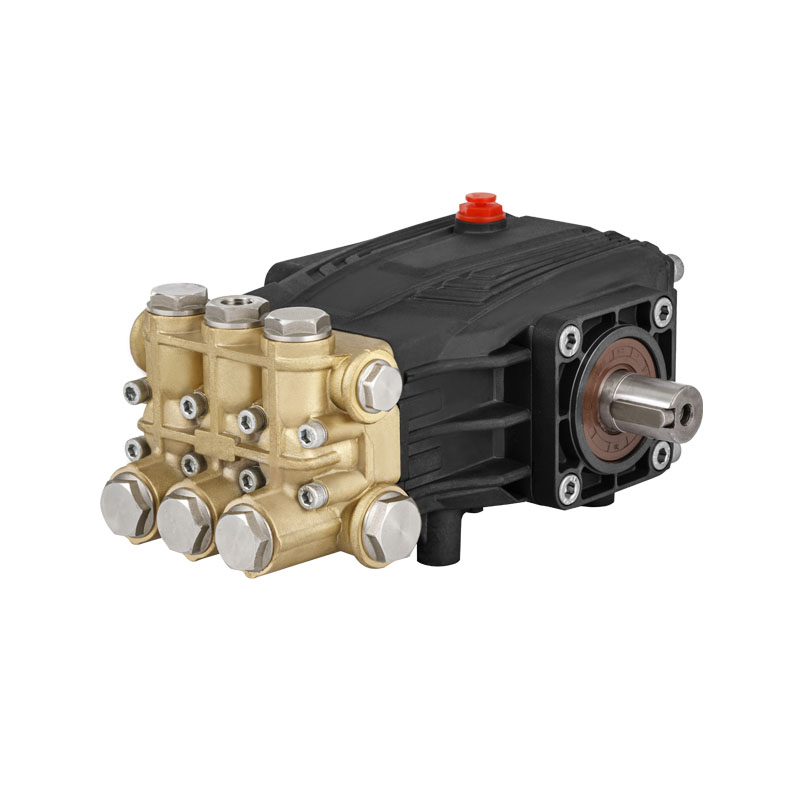
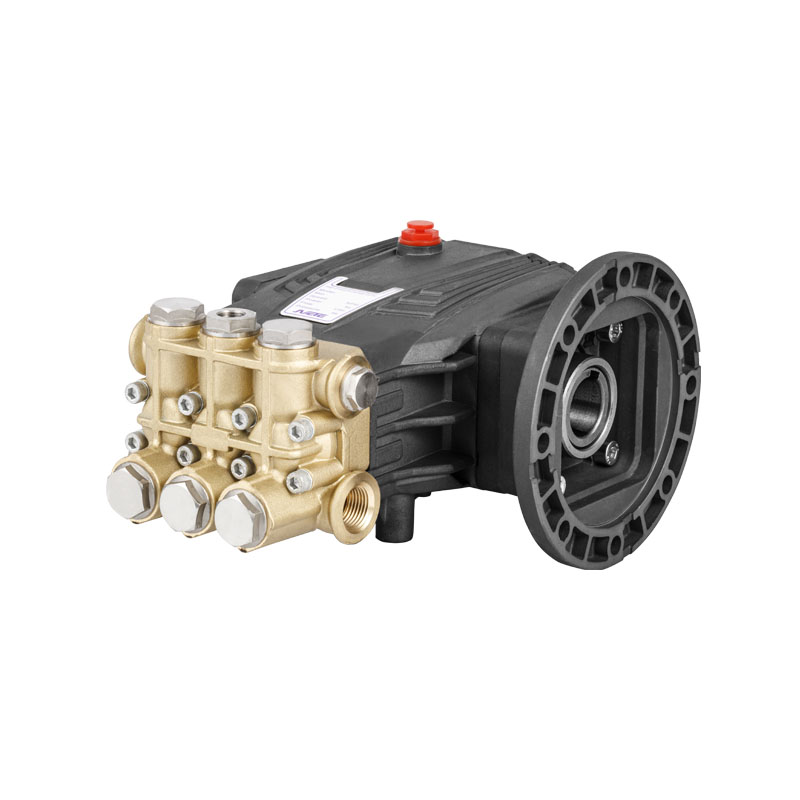
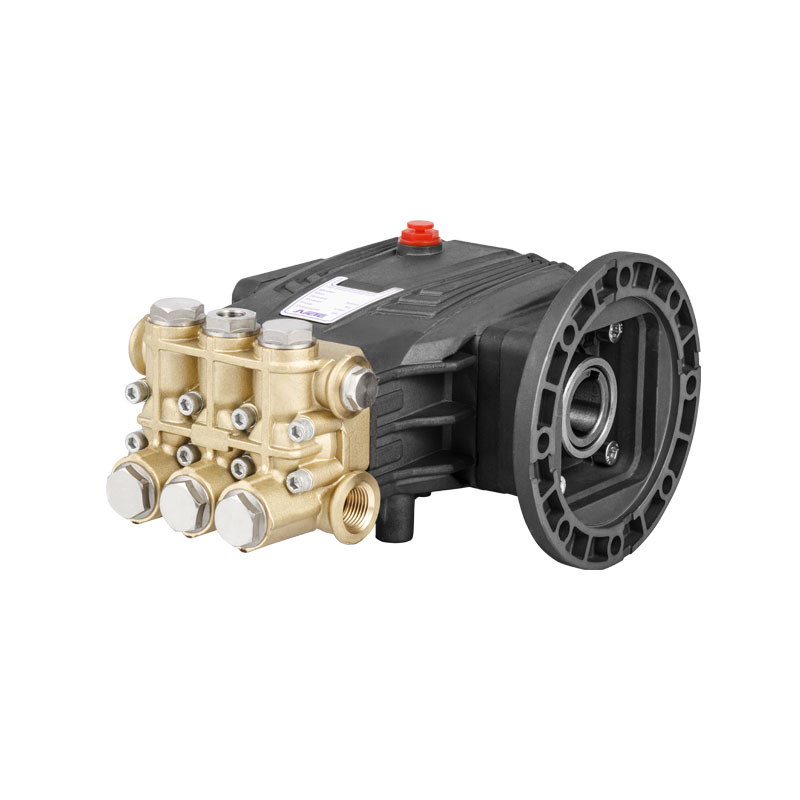
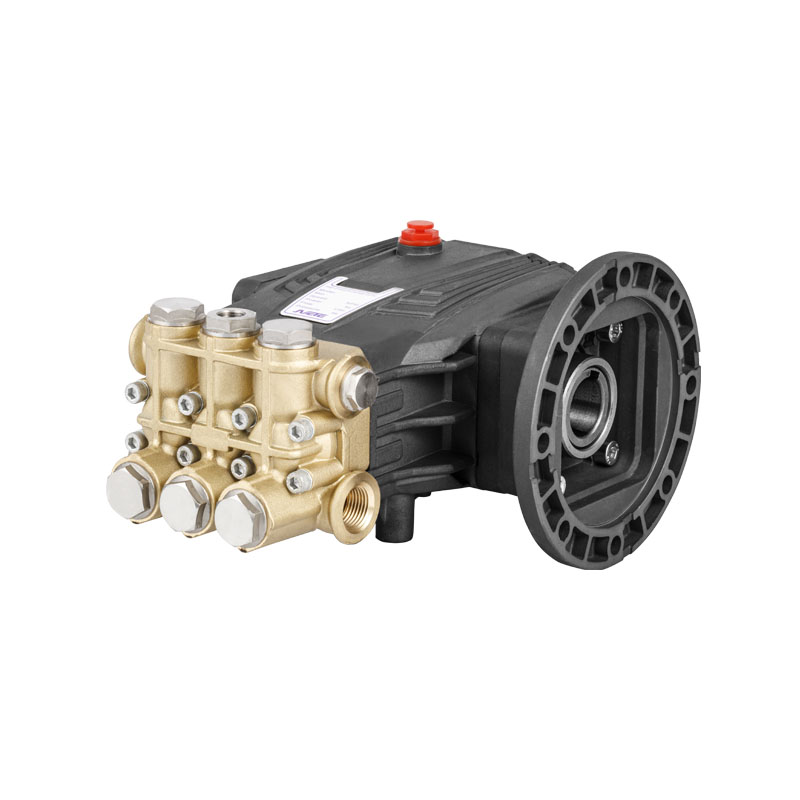
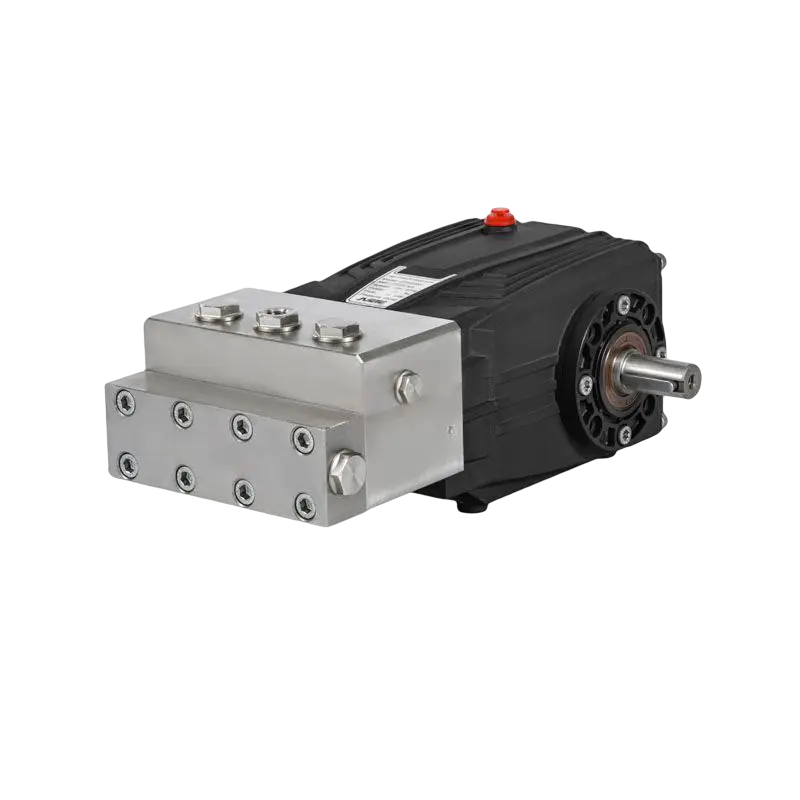
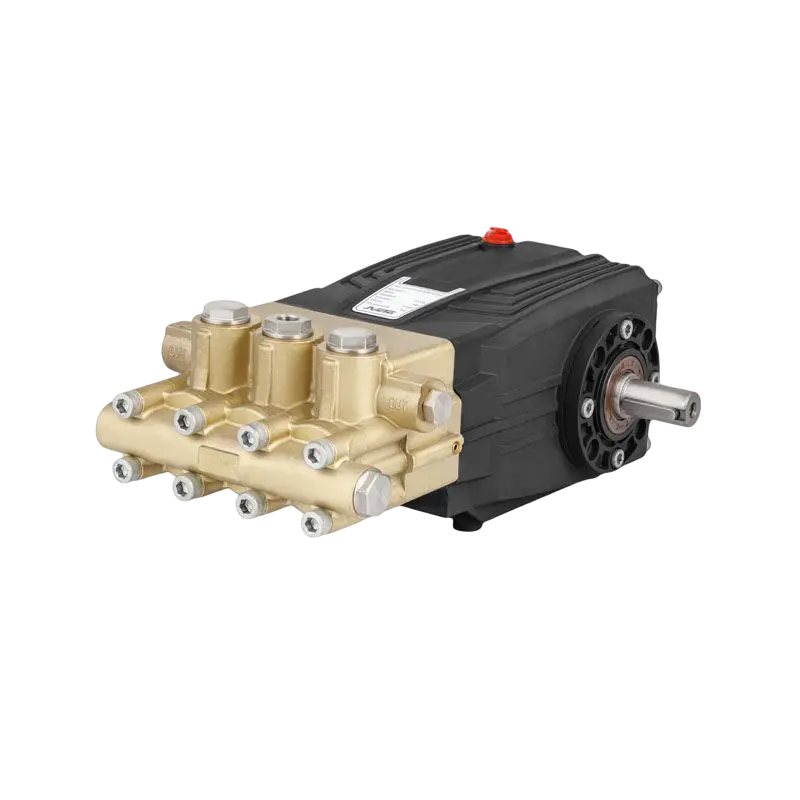
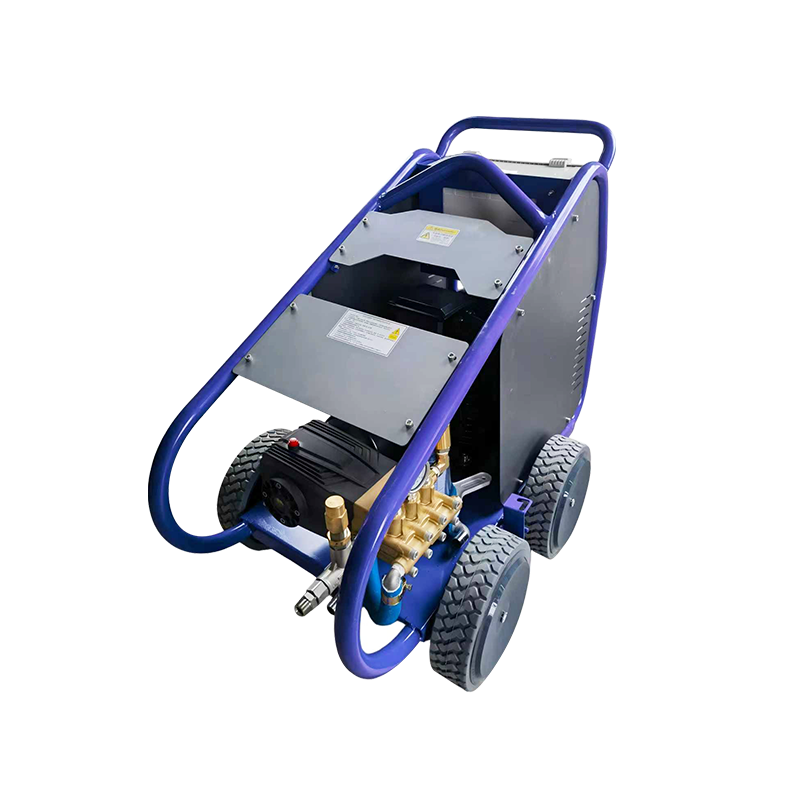
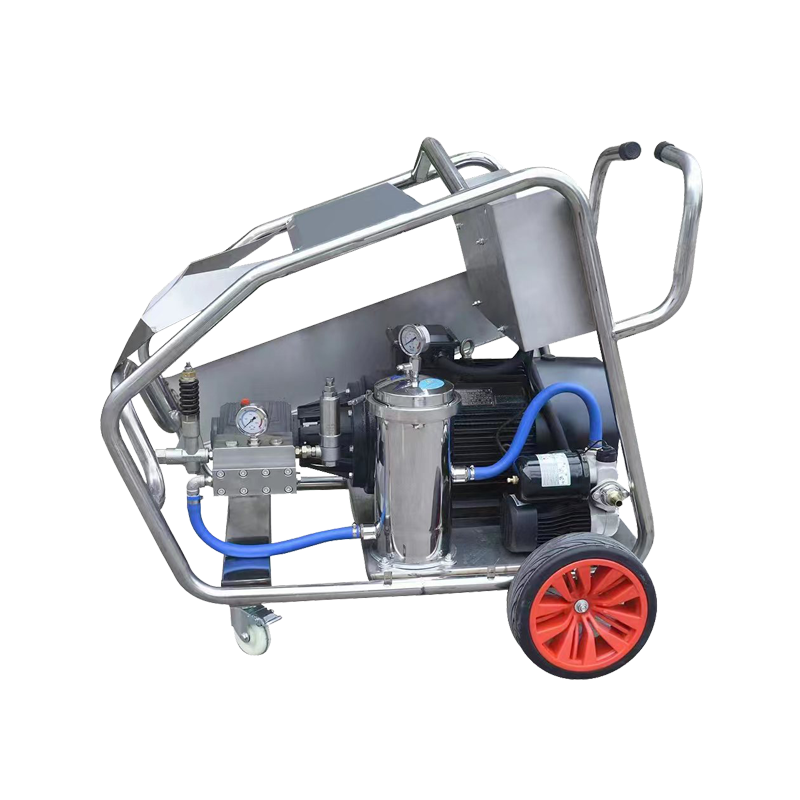
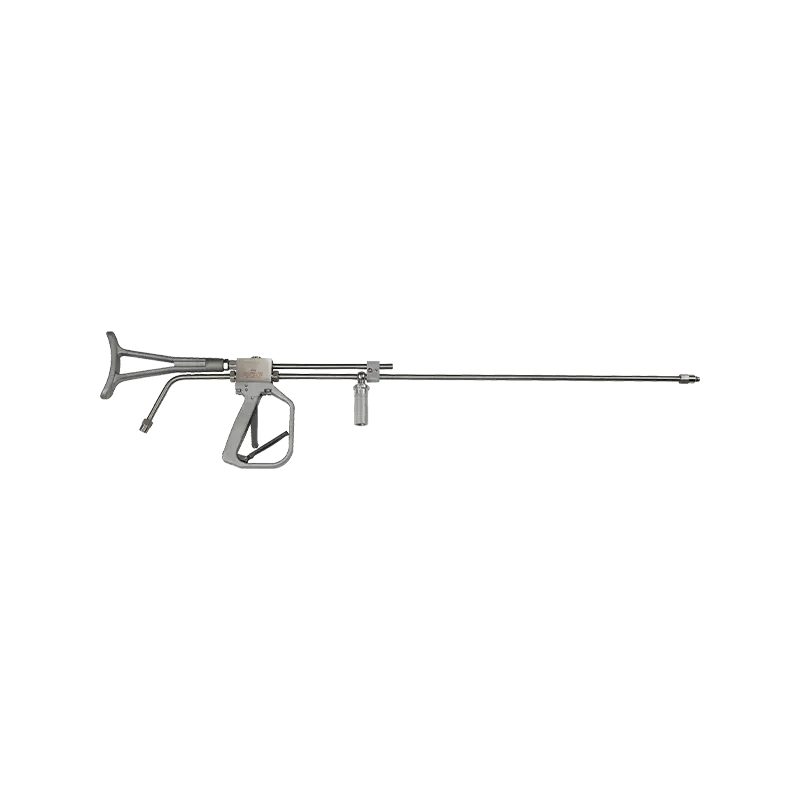
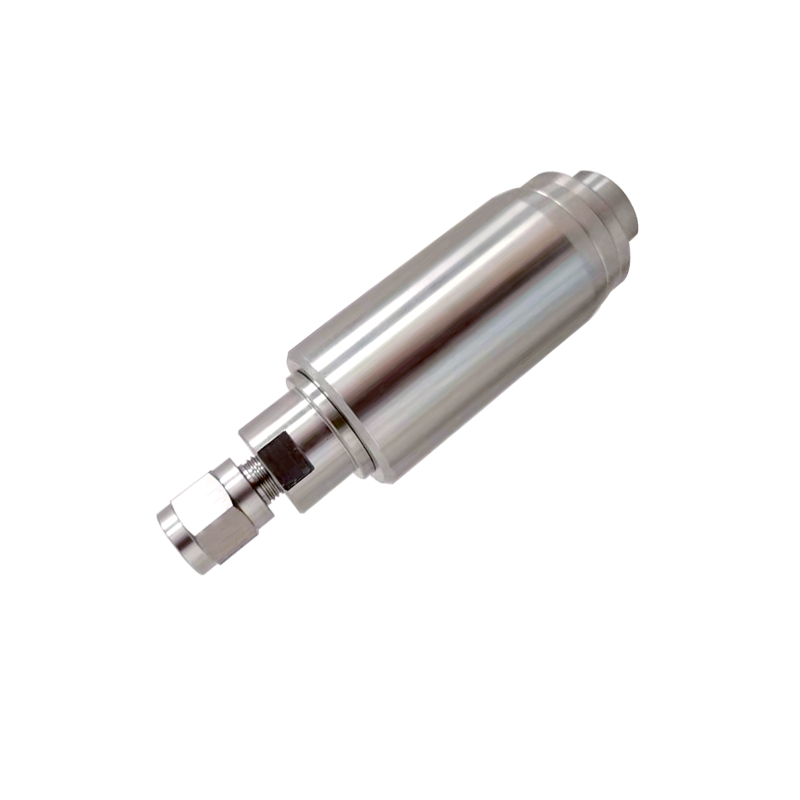
The core technology of high pressure water blasting pumps is centered on generating and sustaining immense hydraulic force. Typically designed as positive displacement pumps, such as triplex plunger or intensifier configurations, these systems draw in water and, through mechanical action, pressurize it to levels often exceeding 10,000 psi. This pressurized stream is then expelled through a specially designed nozzle, creating a jet capable of cutting, scouring, or stripping surfaces. The reliability and consistent output pressure of high pressure water blasting pumps are fundamental to their effectiveness, as fluctuations can compromise cleaning results and process control.
The operational applications for high pressure water blasting pumps are diverse and impactful. In shipyards and offshore industries, high pressure water blasting pumps are indispensable for hull cleaning, removing marine growth, and preparing steel surfaces for new coatings, a process far more efficient and environmentally sound than traditional sandblasting. Within the oil, gas, and power generation sectors, these pumps perform vital tasks like tube bundle cleaning in heat exchangers, tank and vessel interior descaling, and pipeline internal cleaning. For concrete infrastructure, high pressure water blasting pumps are used in hydro-demolition, selectively removing degraded concrete to expose sound substrate for repair, small micro-fracturing common with mechanical methods.
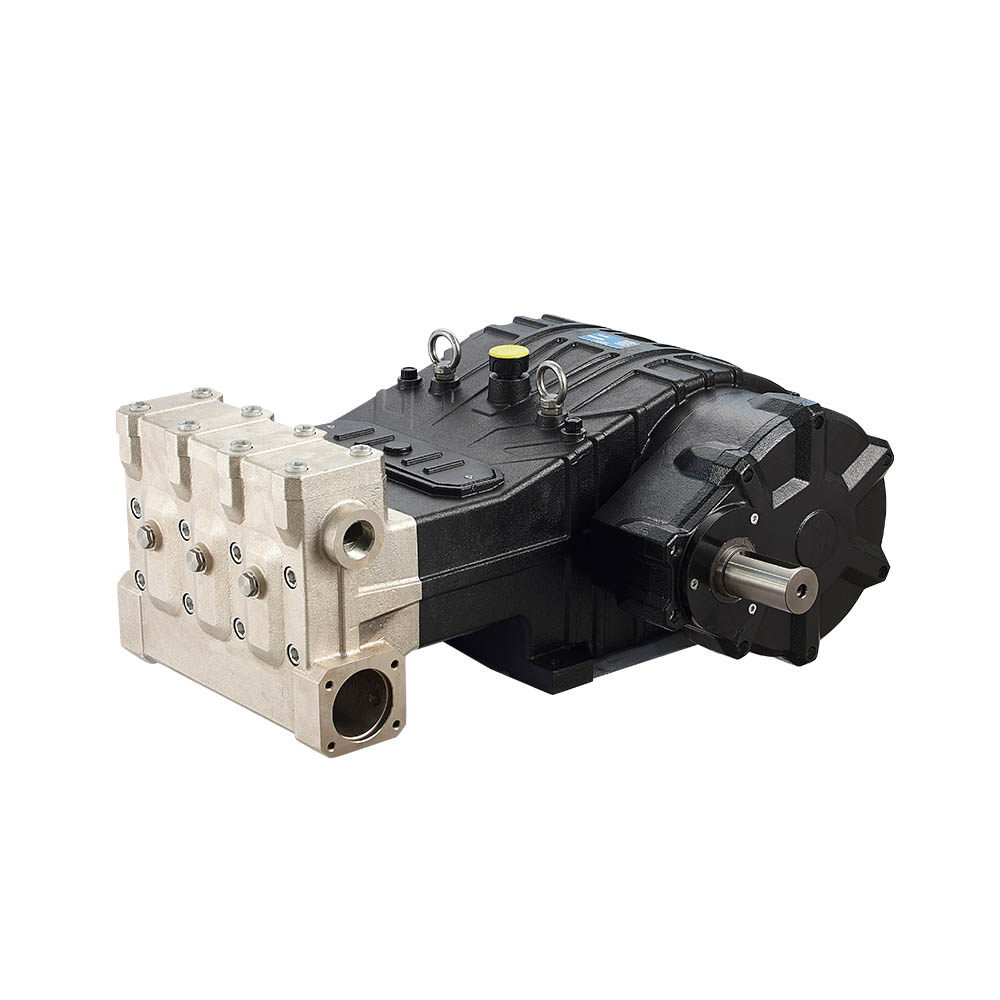
The advantages of employing high pressure water blasting pumps are considerable. They offer a cleaning method that is highly effective yet typically generates no secondary waste stream beyond the removed material and water, which can often be contained and treated. This reduces hazardous waste disposal concerns associated with chemical or abrasive media. The process is also non-thermal, eliminating fire risks and heat-induced material distortion. From a workforce safety perspective, systems built around high pressure water blasting pumps reduce operator exposure to toxic dust and particulates, although they require strict safety protocols to manage the inherent risks of ultra-high-pressure water.
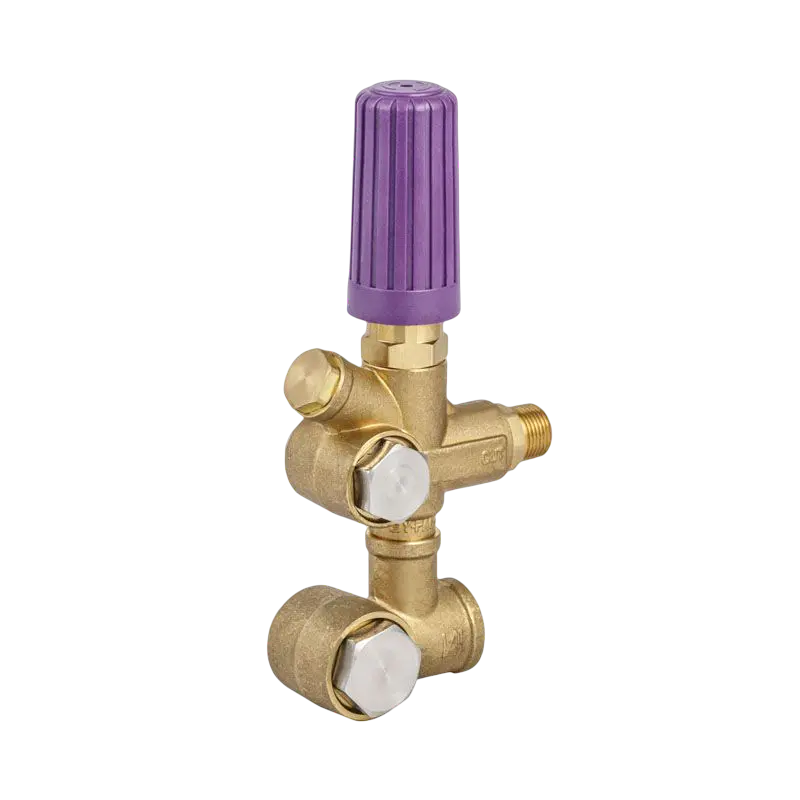
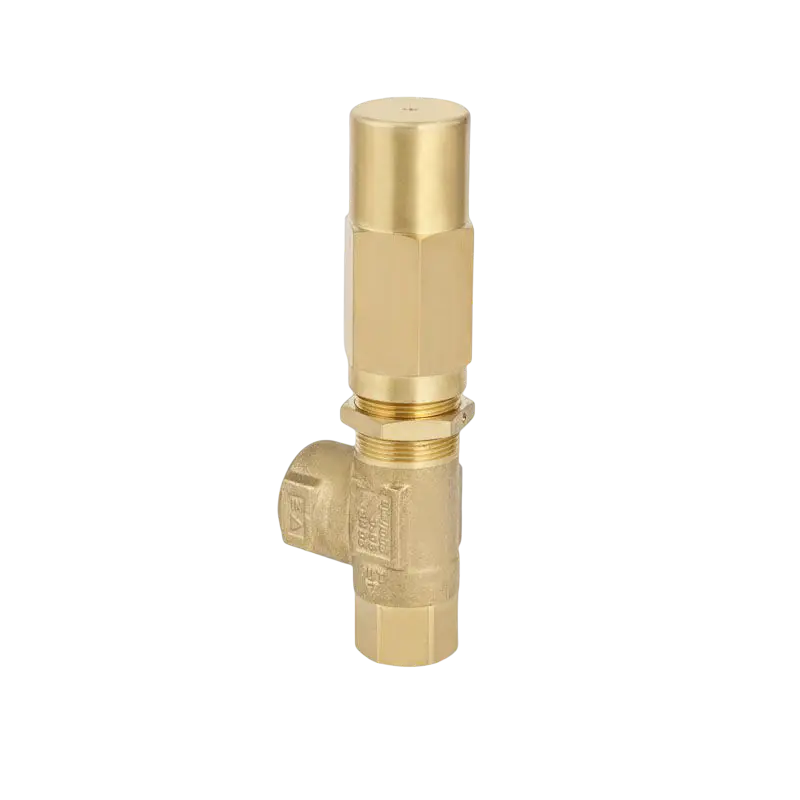
Technological evolution continues to refine the capabilities of high pressure water blasting pumps. Modern units often incorporate advanced features like variable pressure and flow control, allowing operators to match the pump's output precisely to the task, from delicate paint stripping to aggressive concrete removal. Enhanced filtration systems protect the high pressure water blasting pumps' internal components from waterborne particulates, extending service life. Furthermore, integration with robotic or automated carriage systems is becoming more common, enabling the deployment of high pressure water blasting pumps in hazardous or confined spaces while improving consistency and operator safety.
The development of high pressure water blasting pumps is aligned with broader industrial trends toward efficiency and sustainability. Research focuses on improving pump designs for greater energy efficiency, reducing water consumption through recovery and recycling systems, and developing more durable seals and fluid-end materials to withstand harsh operating conditions. As industries face stricter environmental regulations and a growing emphasis on preventive maintenance, the demand for the precise, powerful, and versatile cleaning solutions provided by high pressure water blasting pumps is expected to remain strong.