
-2(1).png)
 English
 Español
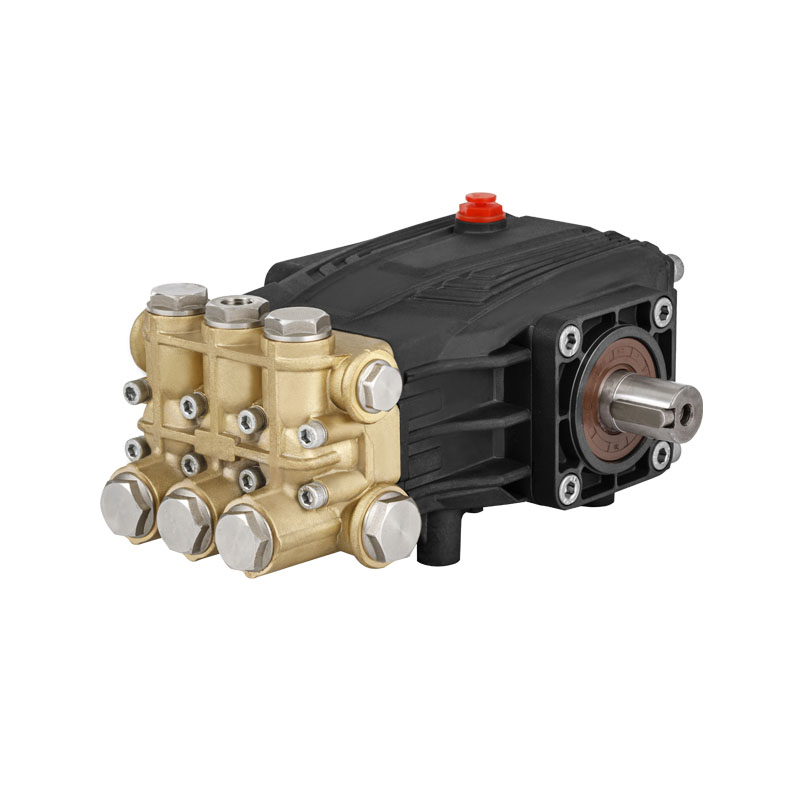
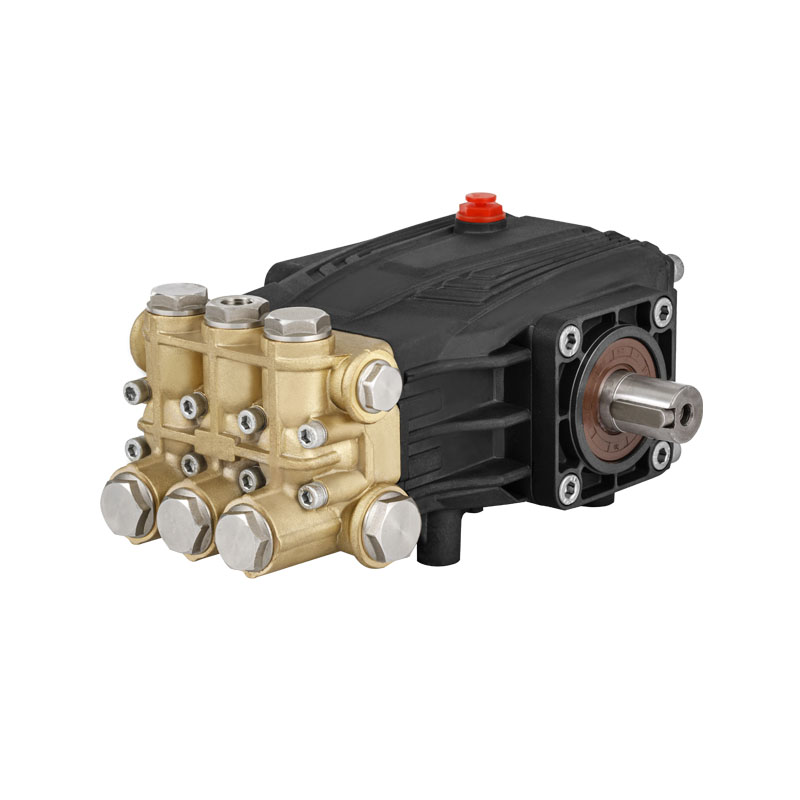
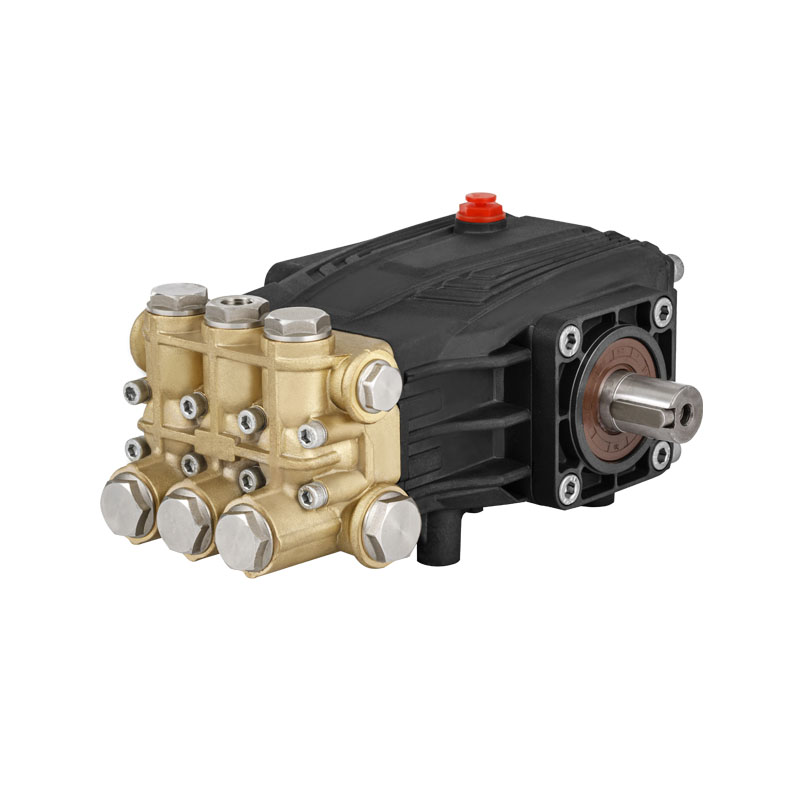
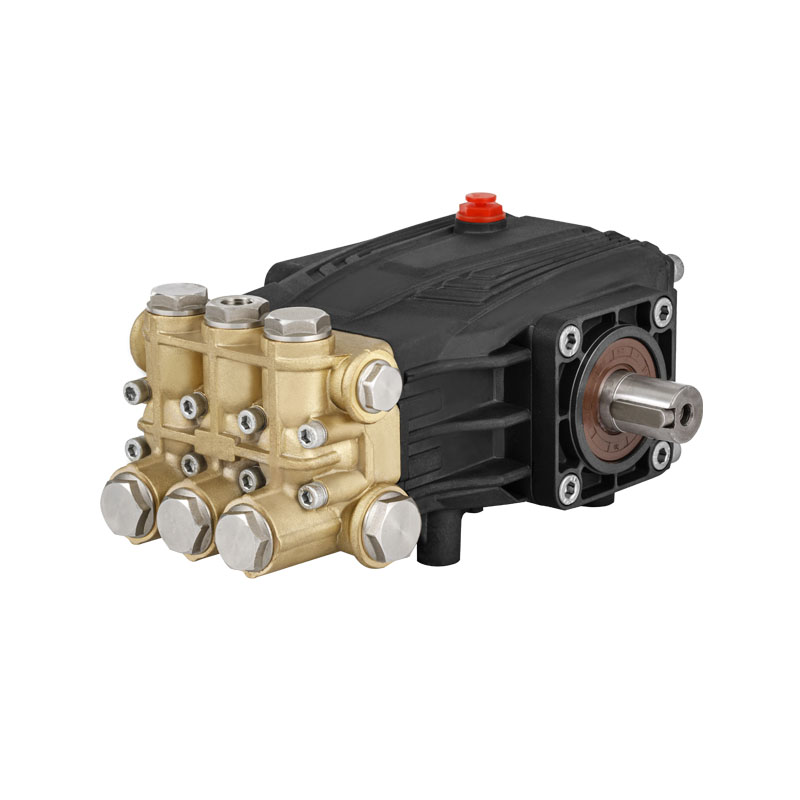
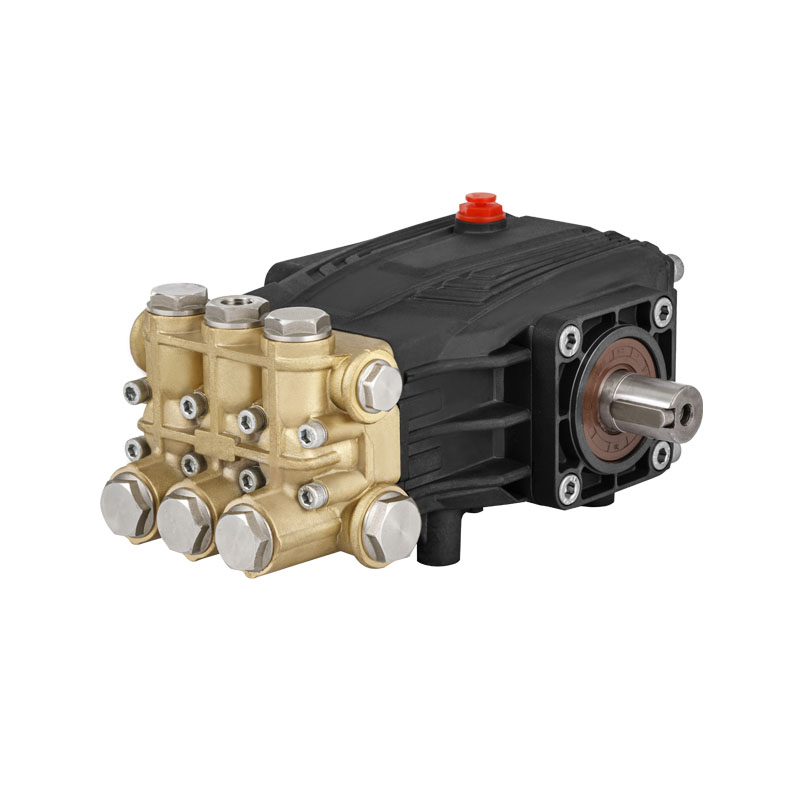
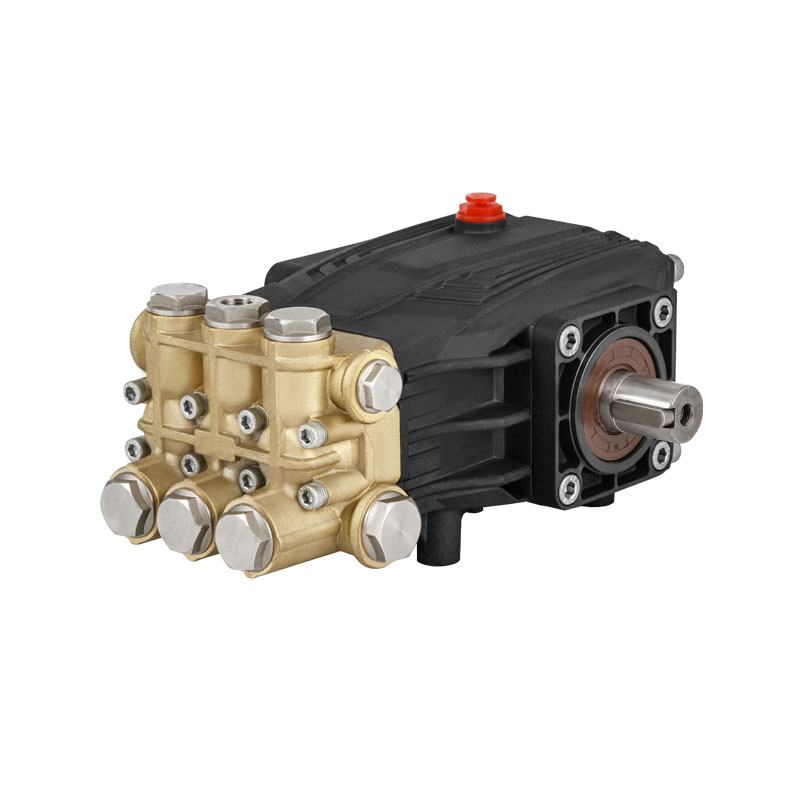
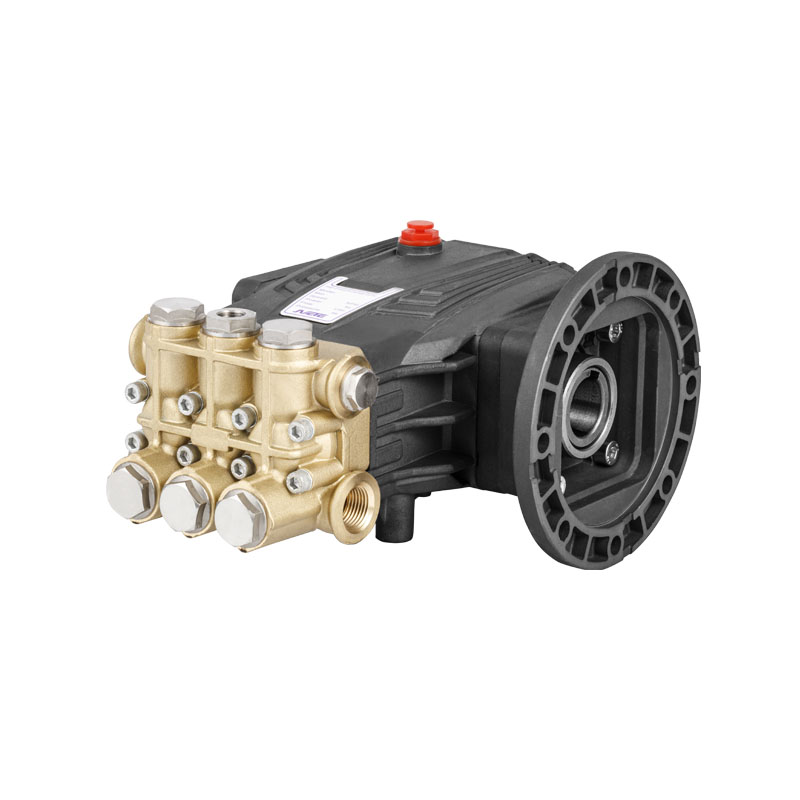
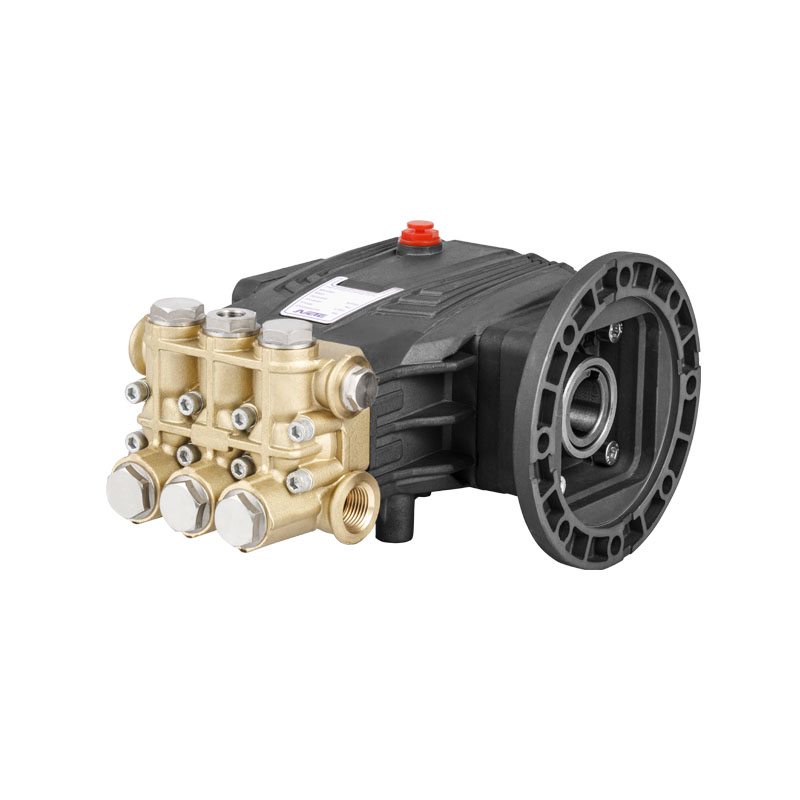
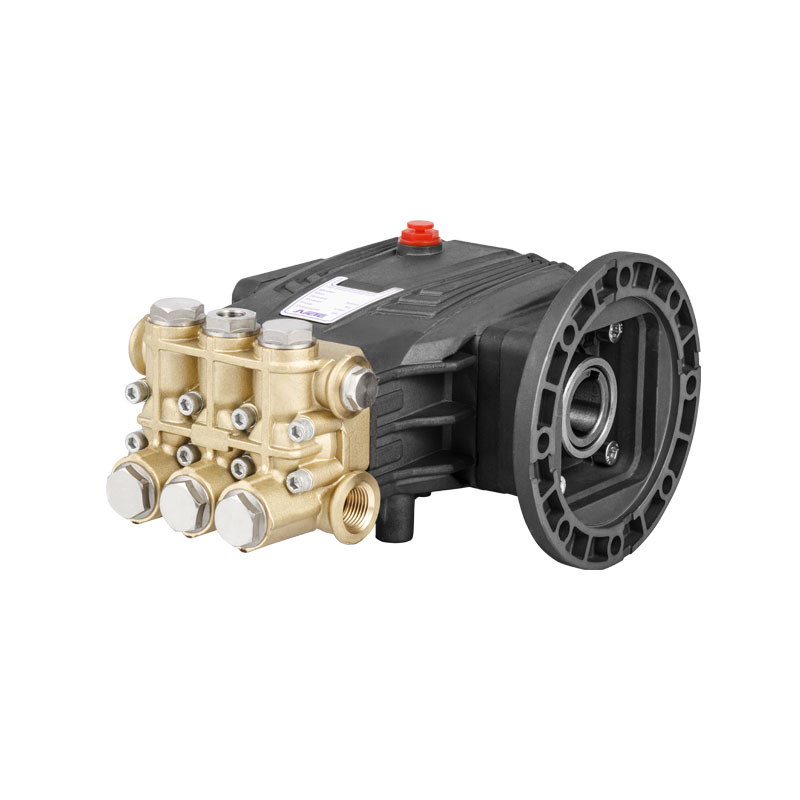
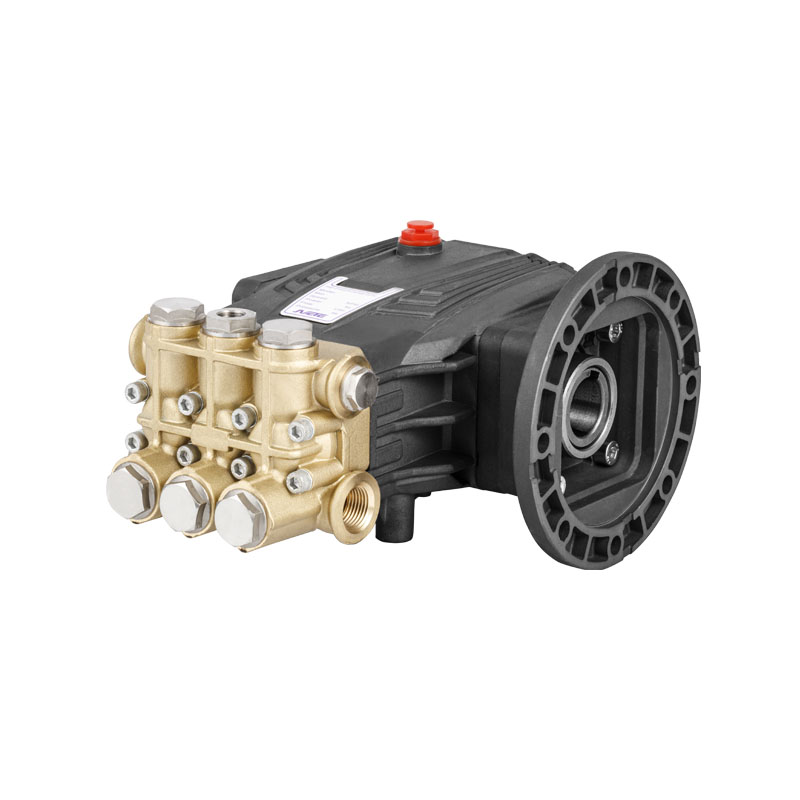
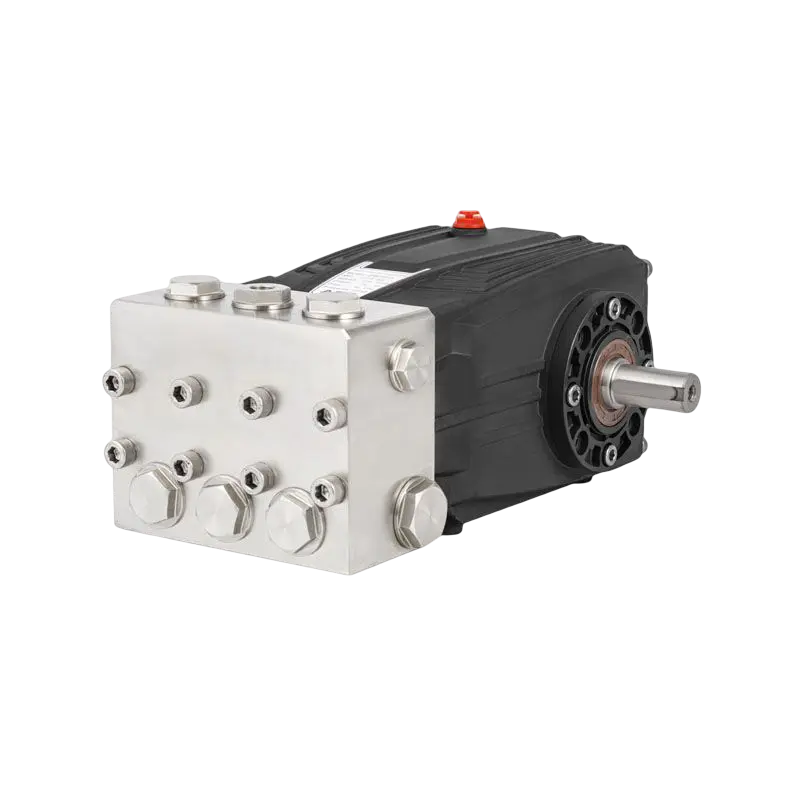
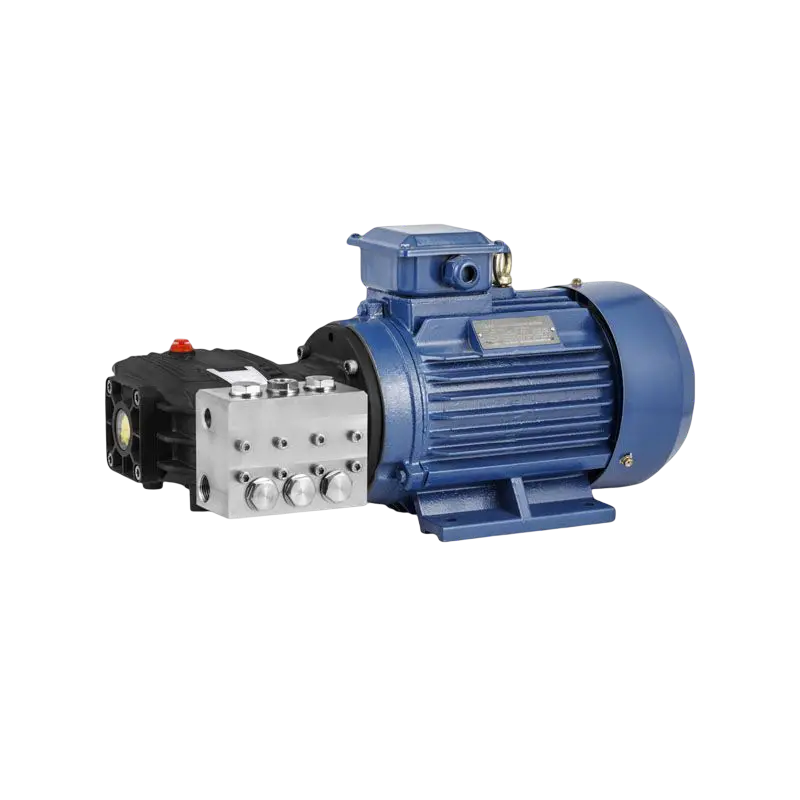
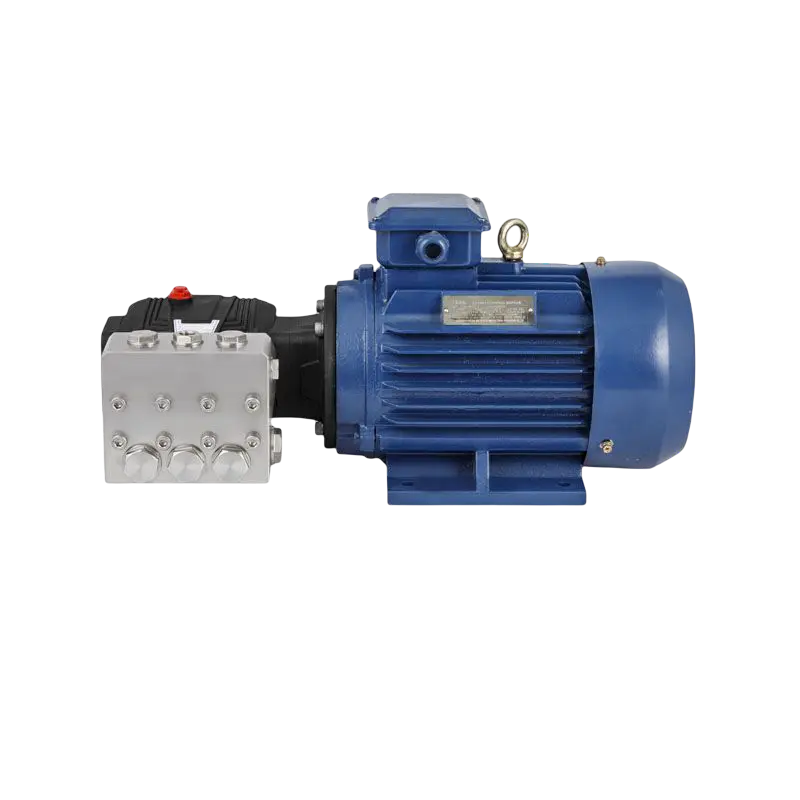
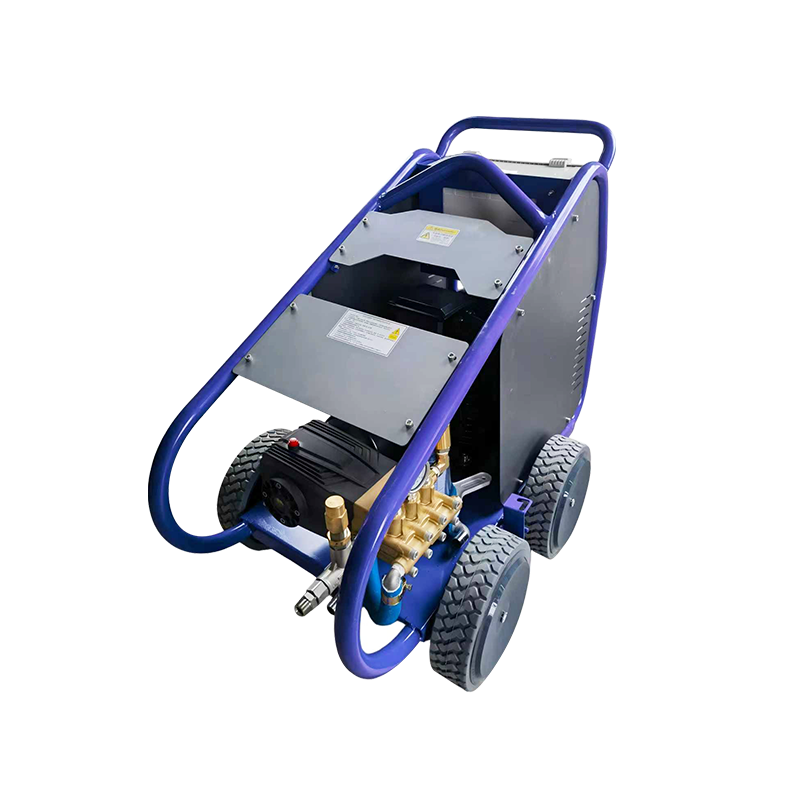
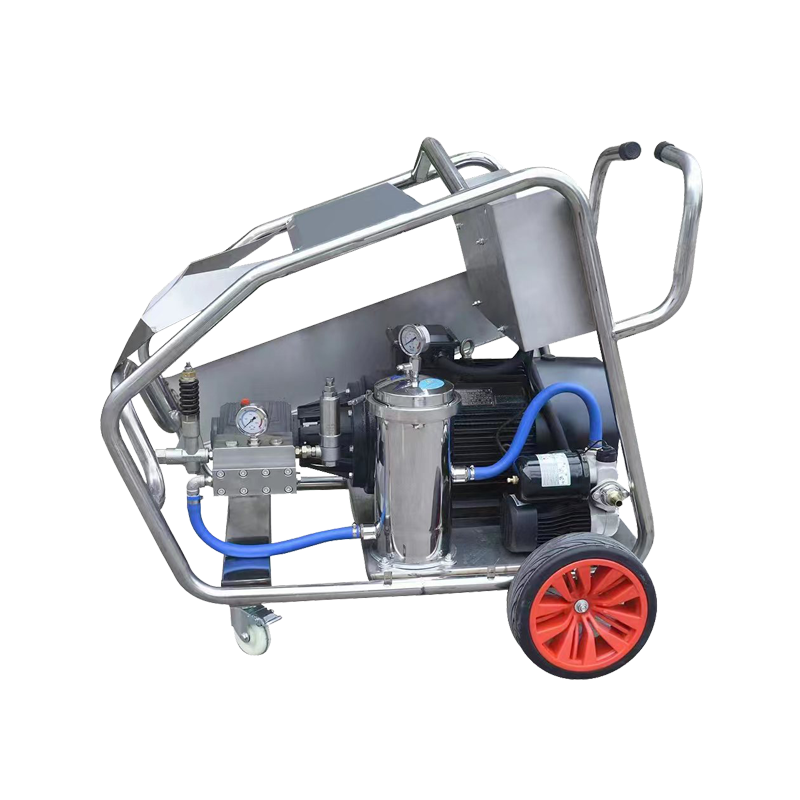
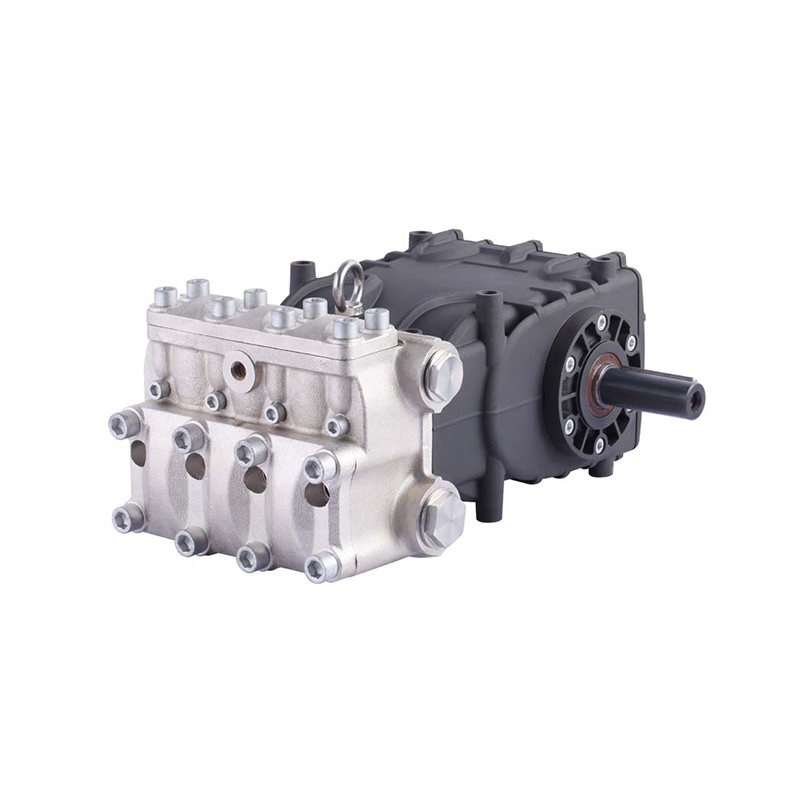
Seawater reverse osmosis desalination plunger pump is a critical component in turning saltwater into fresh drinking water, providing the high pressure needed to push seawater through reverse osmosis membranes. Without this specialized pump, large-scale desalination plants could not produce the millions of gallons of fresh water needed daily in coastal communities around the world.
The basic function of a seawater reverse osmosis desalination plunger pump is to raise the pressure of seawater to levels that overcome osmotic pressure. Typical operating pressures range from 800 to 1,200 pounds per square inch, depending on the salinity of the feed water and the membrane type. At these pressures, water molecules are forced through the semi-permeable membranes, while salt and other contaminants are left behind. The pump must deliver this pressure continuously, often 24 hours per day, with very high reliability.
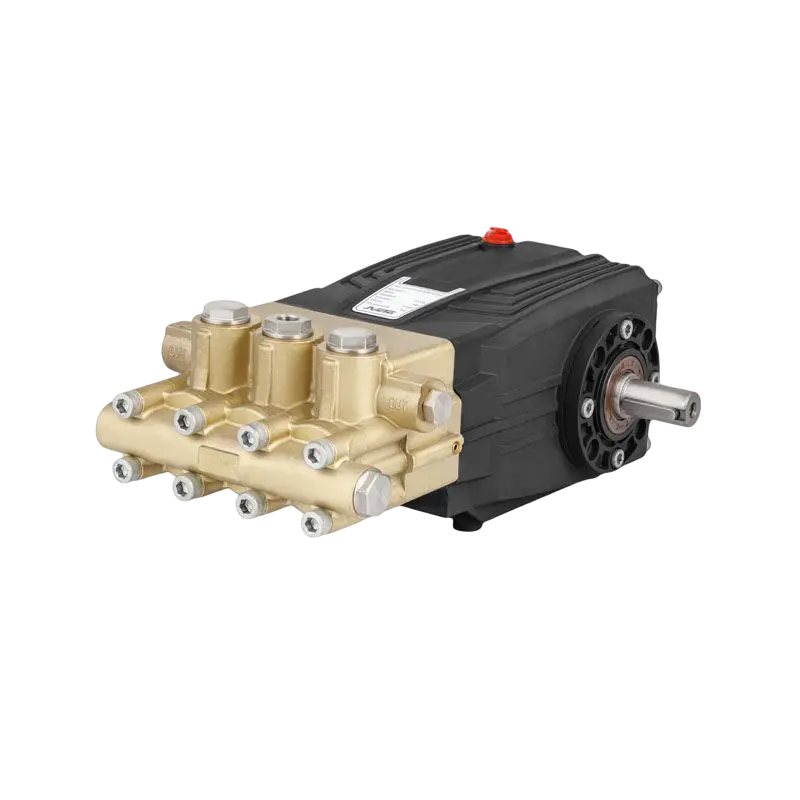
The design of a seawater reverse osmosis desalination plunger pump is based on positive displacement principles. One or more plungers reciprocate inside cylinders, drawing in seawater on the intake stroke and pushing it out at high pressure on the compression stroke. Multiple plungers arranged in a triplex or quintuplex configuration provide smoother flow and reduced pulsation, which protects the delicate reverse osmosis membranes from pressure spikes. A smooth pressure profile also extends membrane life and reduces energy consumption.
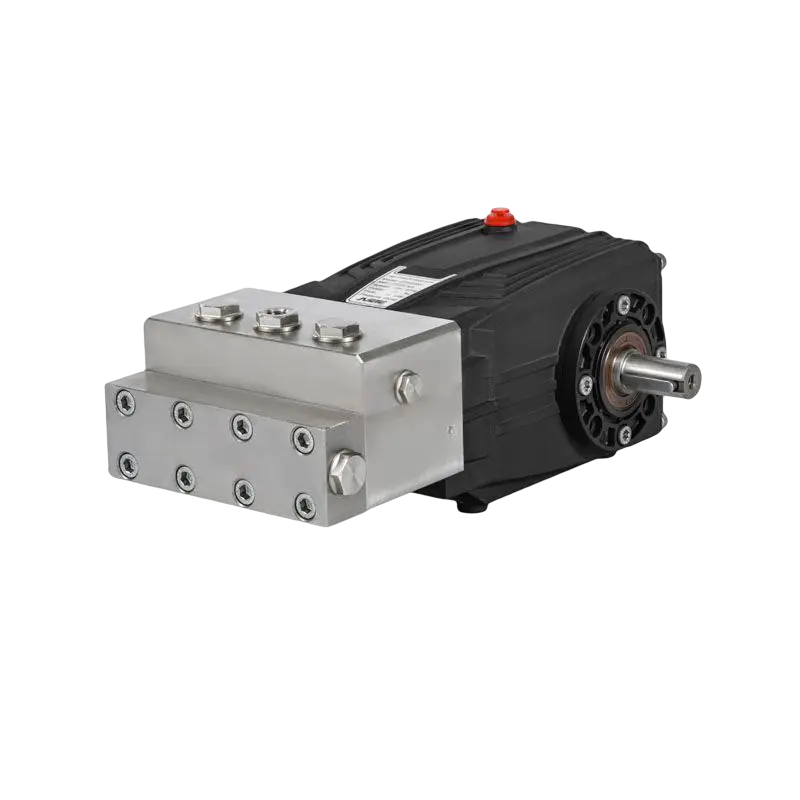
The materials used in a seawater reverse osmosis desalination plunger pump must resist corrosion from saltwater. Standard pumps would quickly fail due to rust and pitting. These pumps use super duplex stainless steel for wetted parts, an alloy that withstands chloride attack. The plungers are often ceramic or coated with specialized materials that resist wear and corrosion. The seals and valves are made from advanced polymers that maintain their properties in high-pressure saltwater environments. Every component in contact with seawater is selected for corrosion resistance.
The efficiency of a seawater reverse osmosis desalination plunger pump directly affects the cost of fresh water. Energy consumption is the largest operating expense for a desalination plant. High-efficiency plunger pumps convert a greater percentage of input energy into hydraulic pressure, reducing electricity use. Energy recovery devices capture pressure from the brine stream and transfer it to the incoming seawater, further reducing the load on the plunger pump. Modern desalination plants achieve energy consumption below 3 kilowatt-hours per cubic meter of fresh water produced.
The pressure rating of a seawater reverse osmosis desalination plunger pump must match the membrane system. Low-pressure membranes operate at 600 to 800 psi and are used for brackish water or low-salinity seawater. High-pressure membranes require 1,000 to 1,200 psi for standard seawater. For very high salinity feed water or for systems designed for big water recovery, pressures up to 1,500 psi may be needed. The pump must be capable of delivering the required pressure continuously without excessive wear or maintenance.
For coastal communities facing water scarcity, the seawater reverse osmosis desalination plunger pump enables the production of fresh water from an abundant but salty source. It runs reliably under harsh conditions, delivering the pressure needed to turn seawater into drinking water. From small island communities to major cities, these pumps work quietly and continuously, providing a vital resource that sustains life and economic activity.