
-2(1).png)
 English
 Español
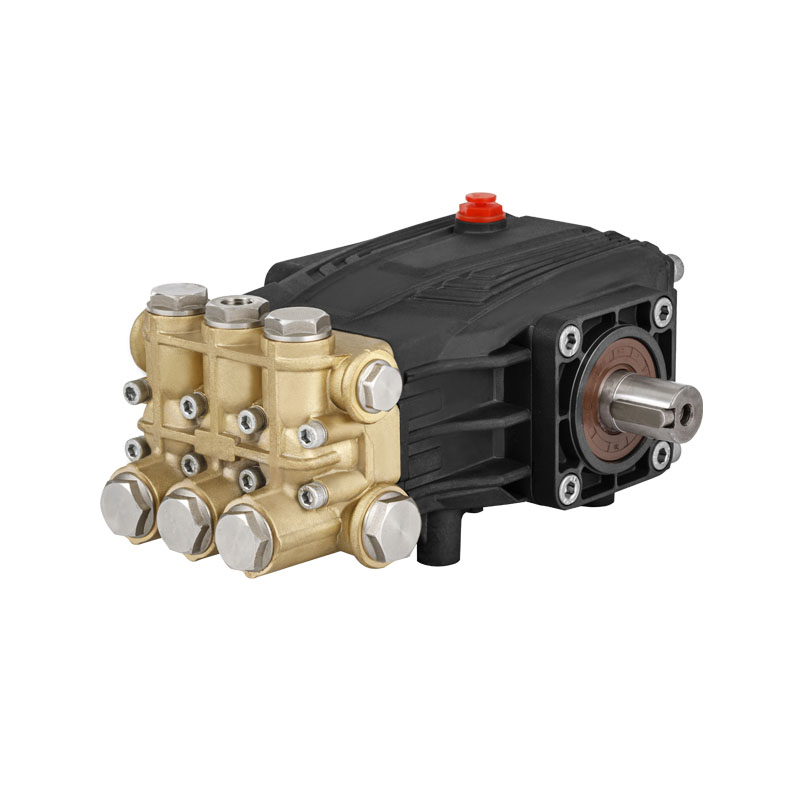
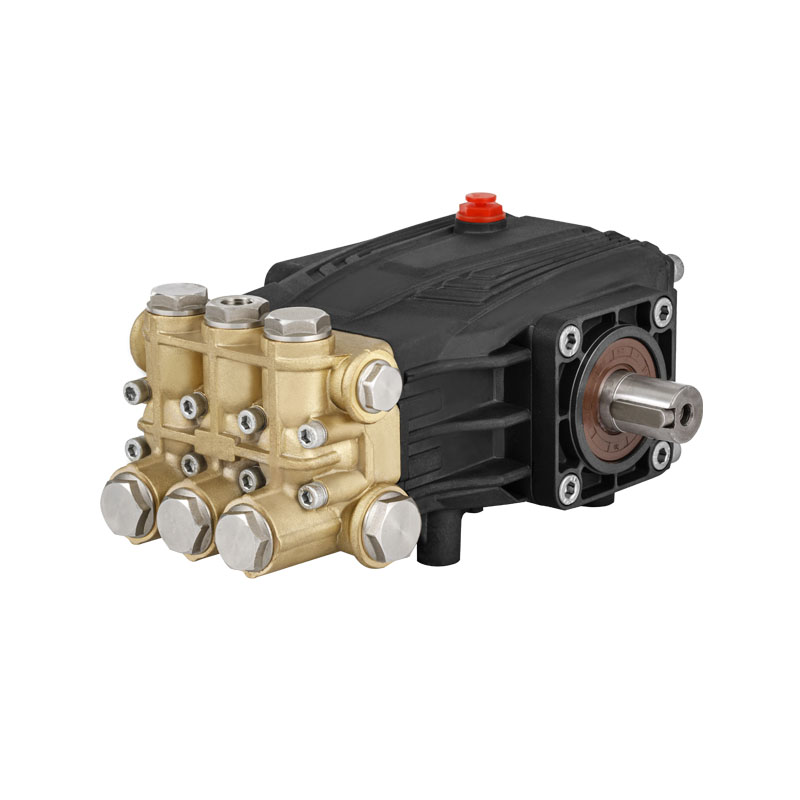
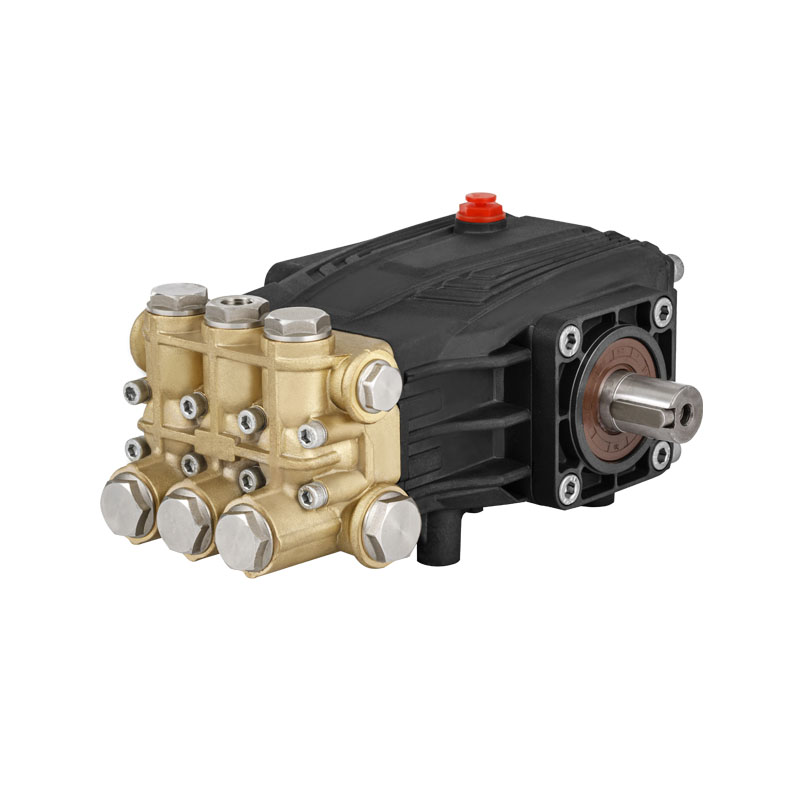
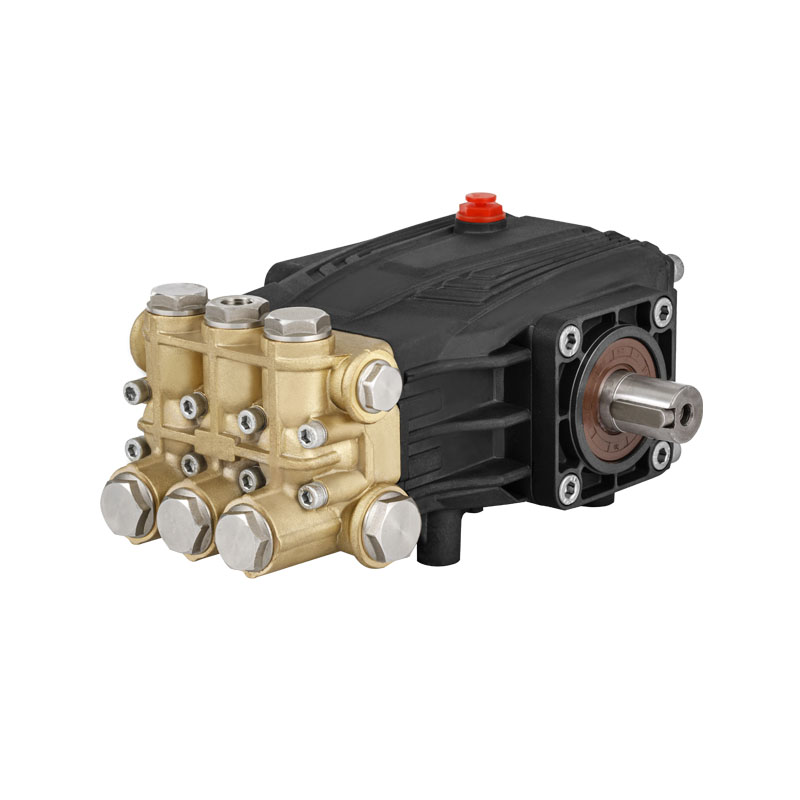
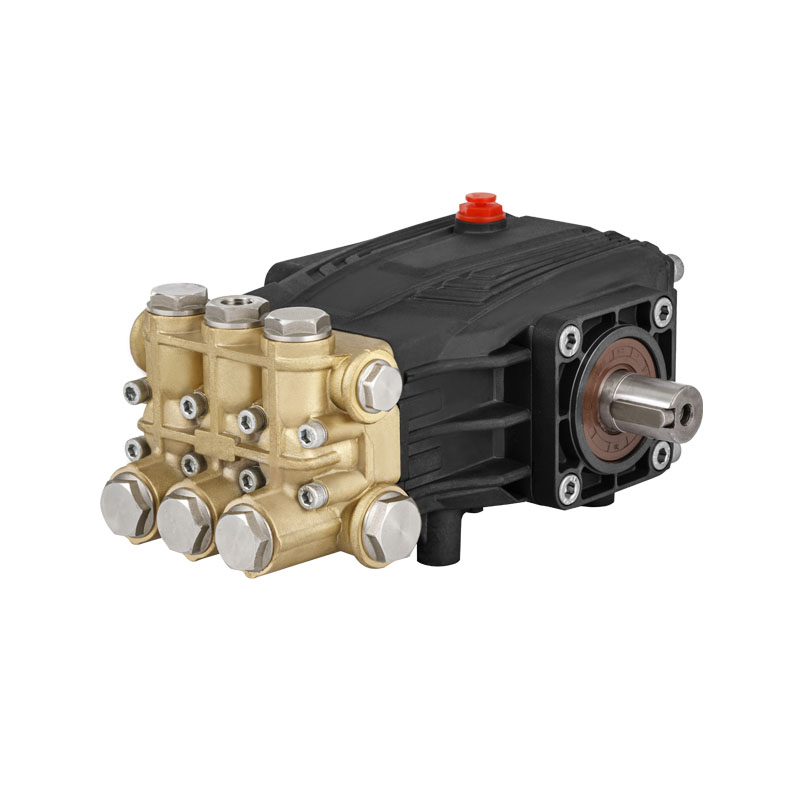
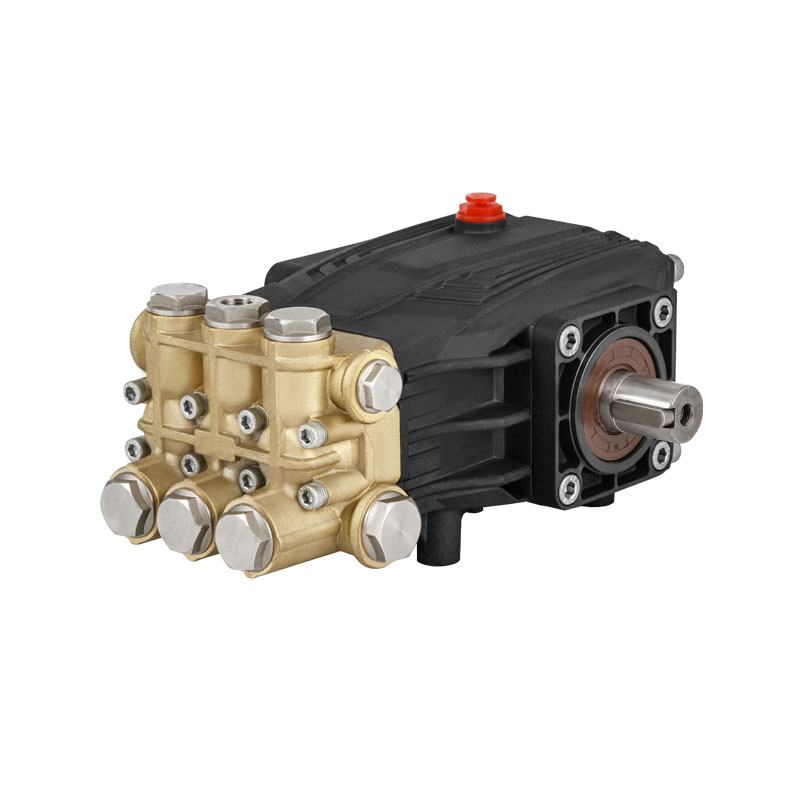
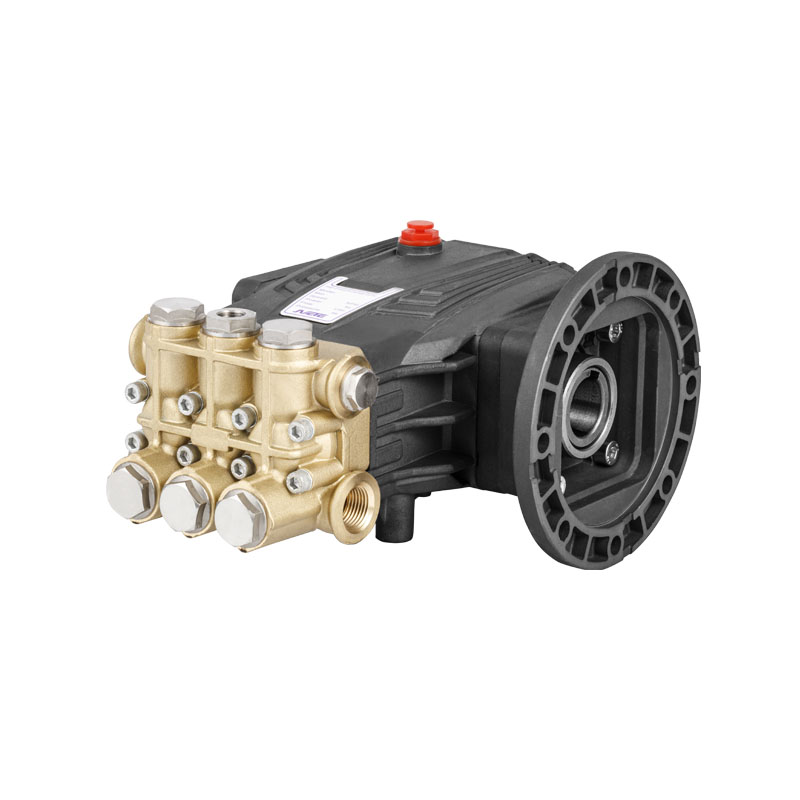
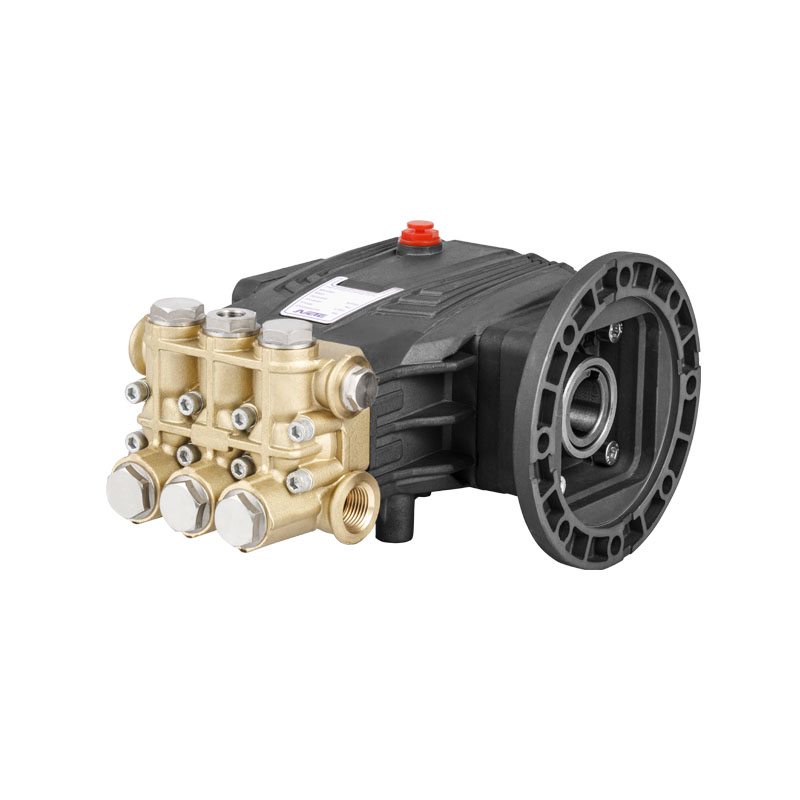
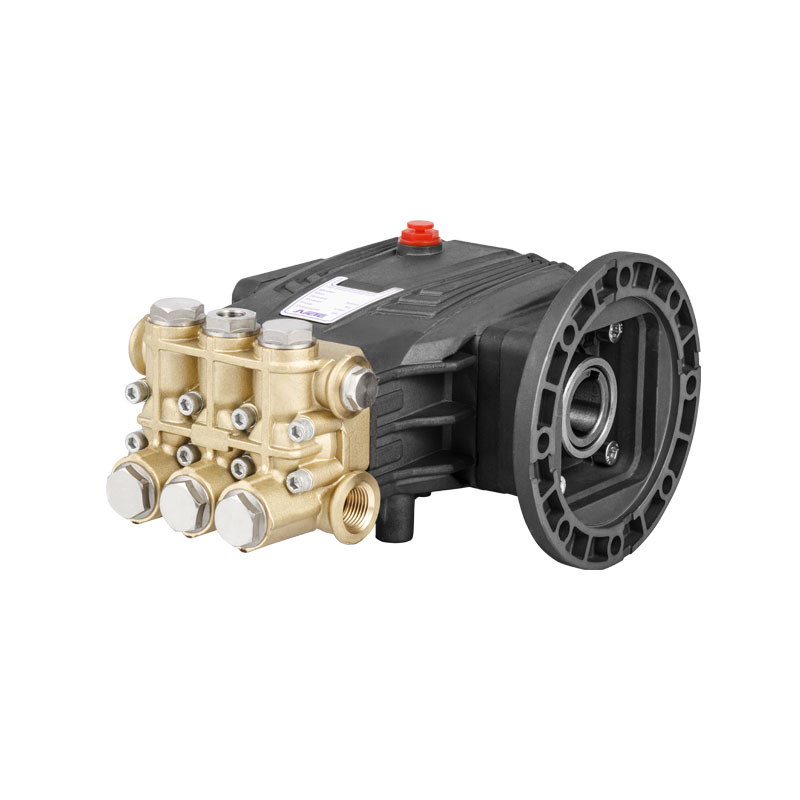
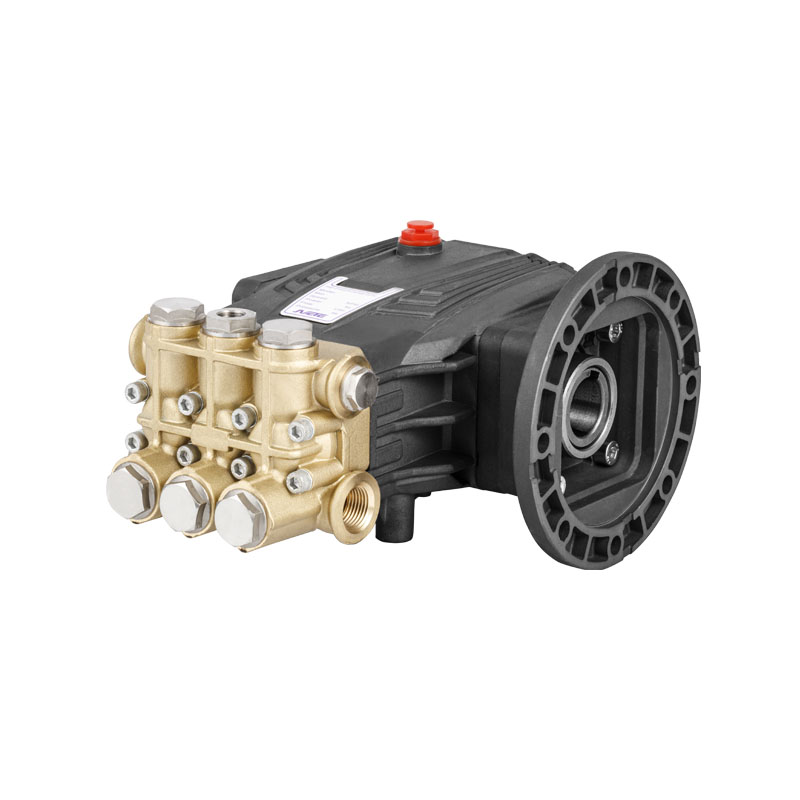
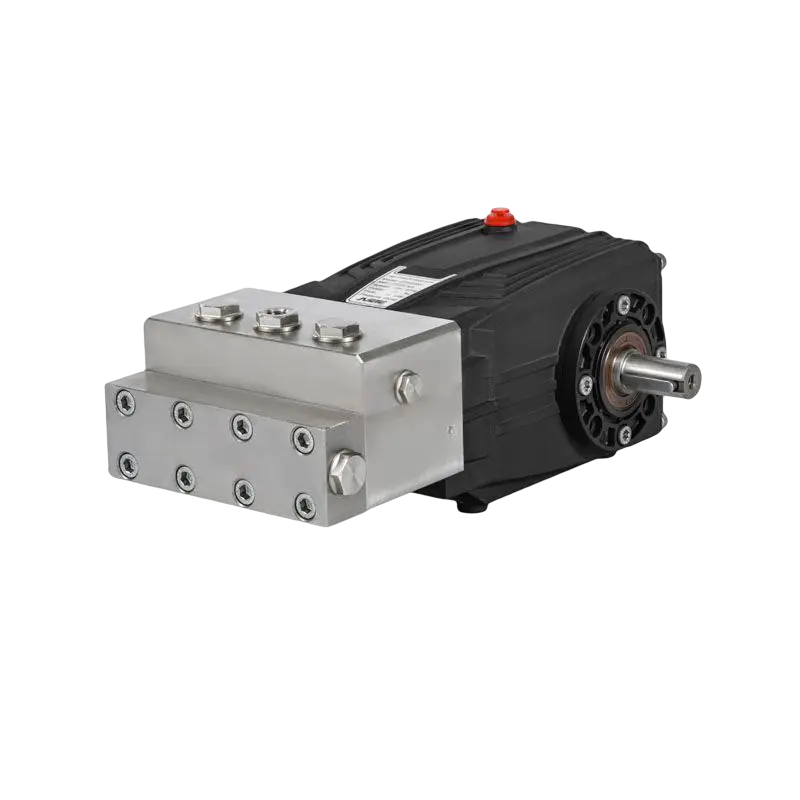
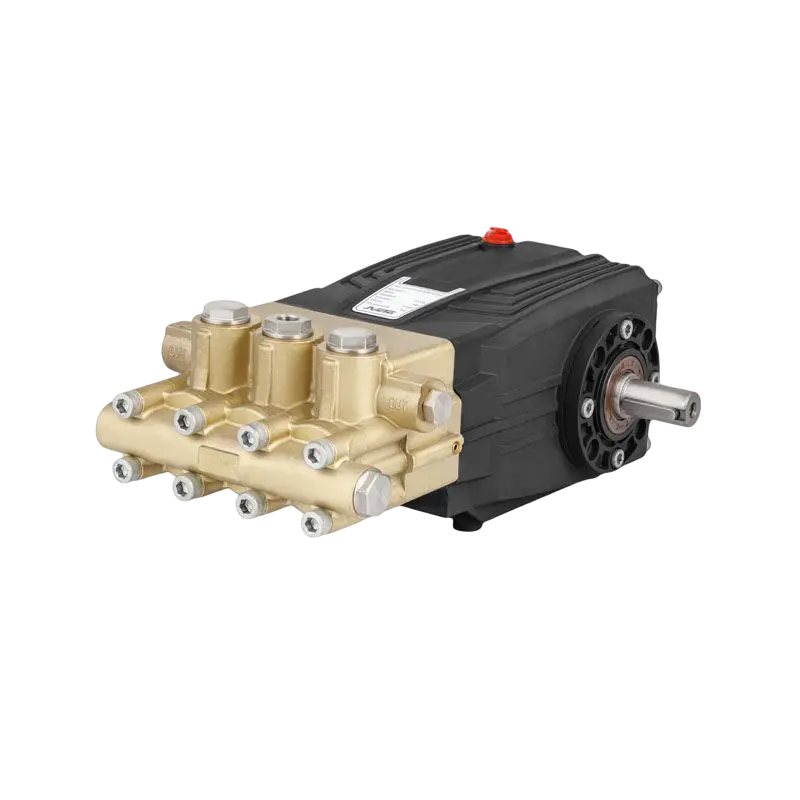
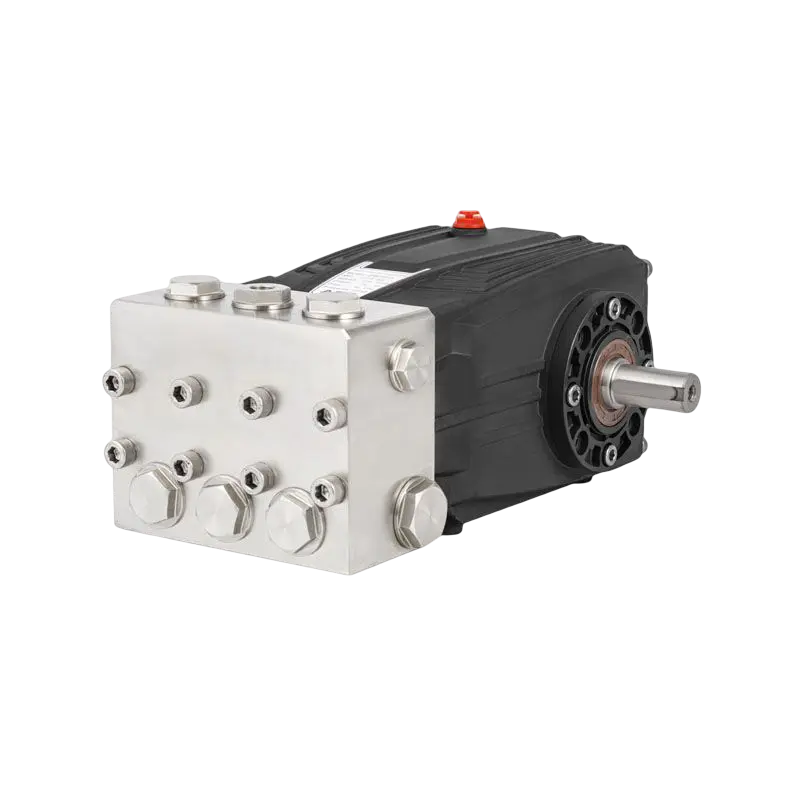
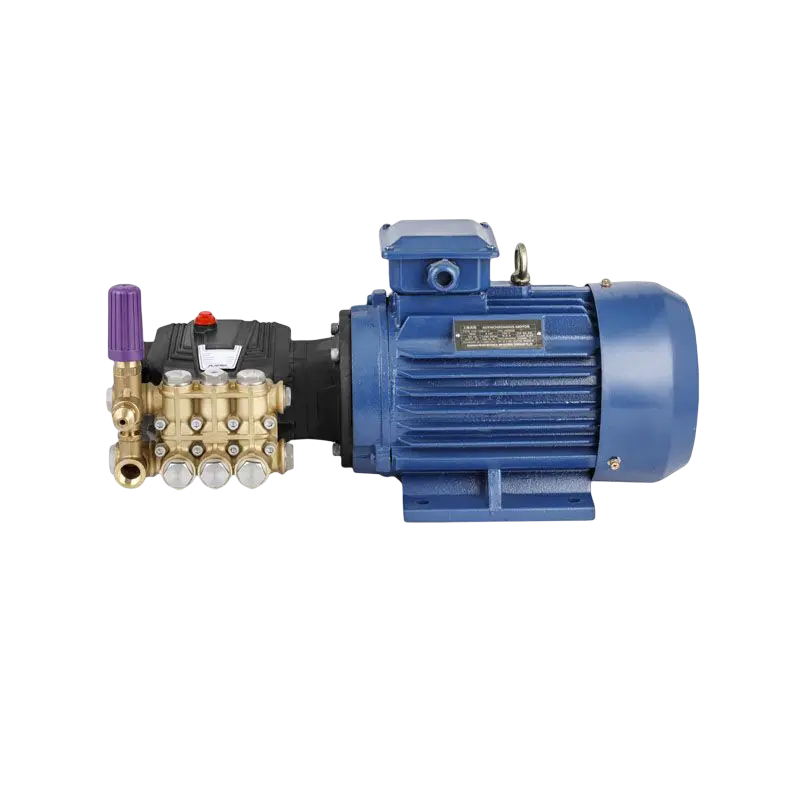
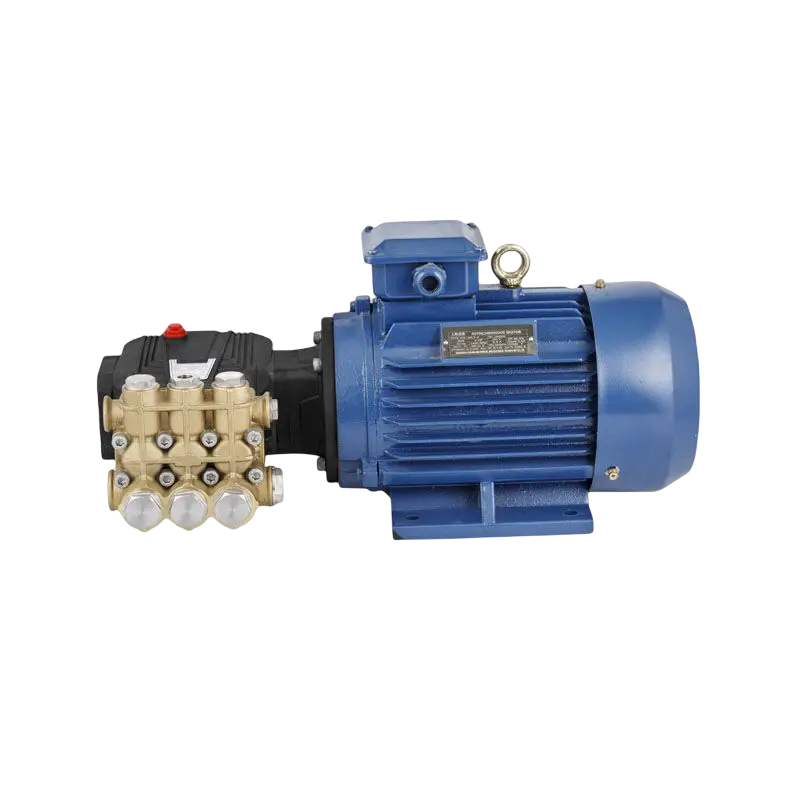
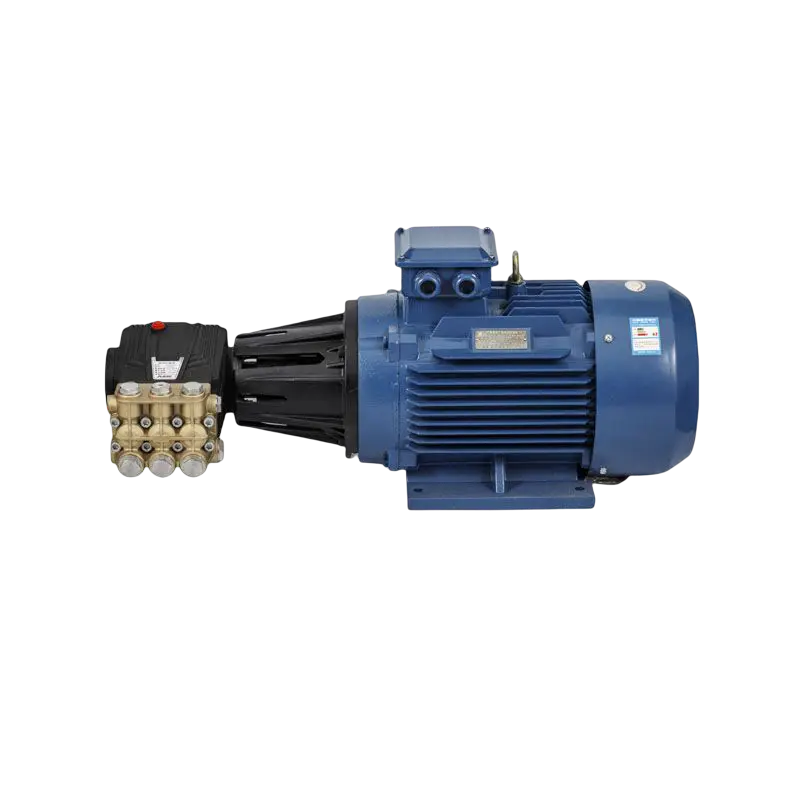
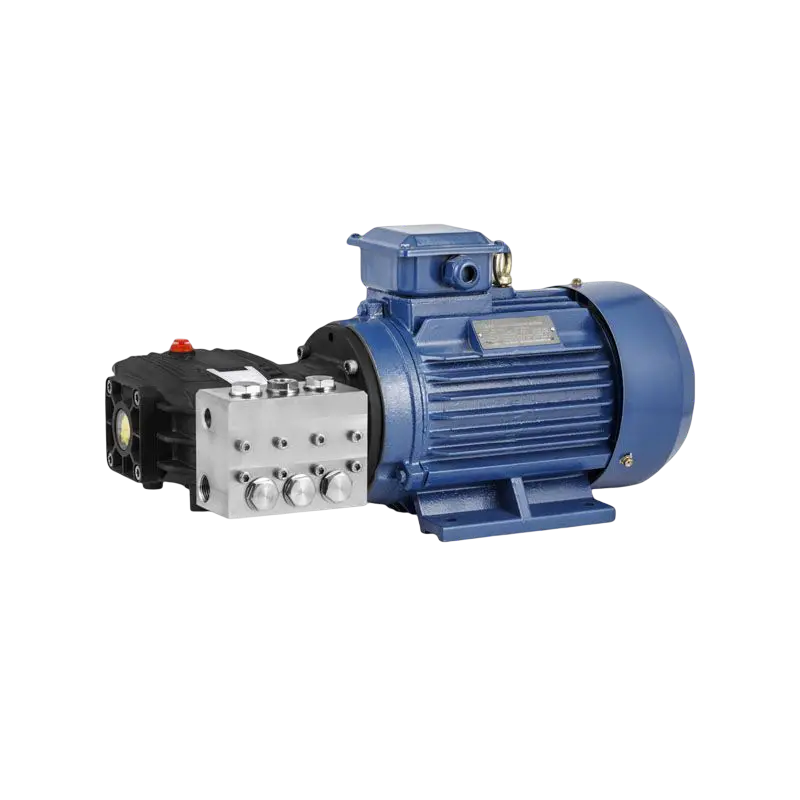
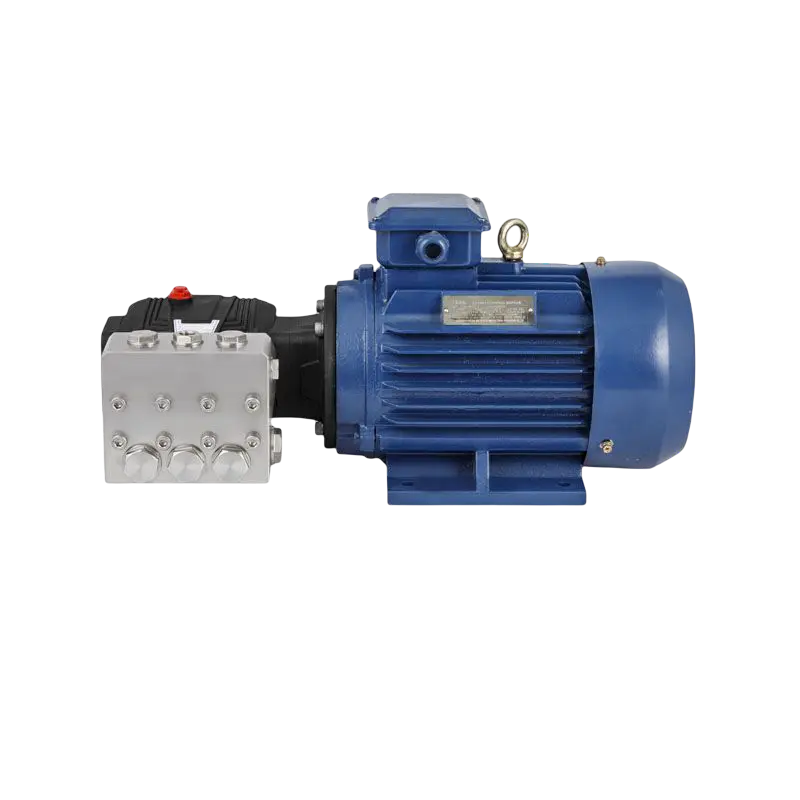
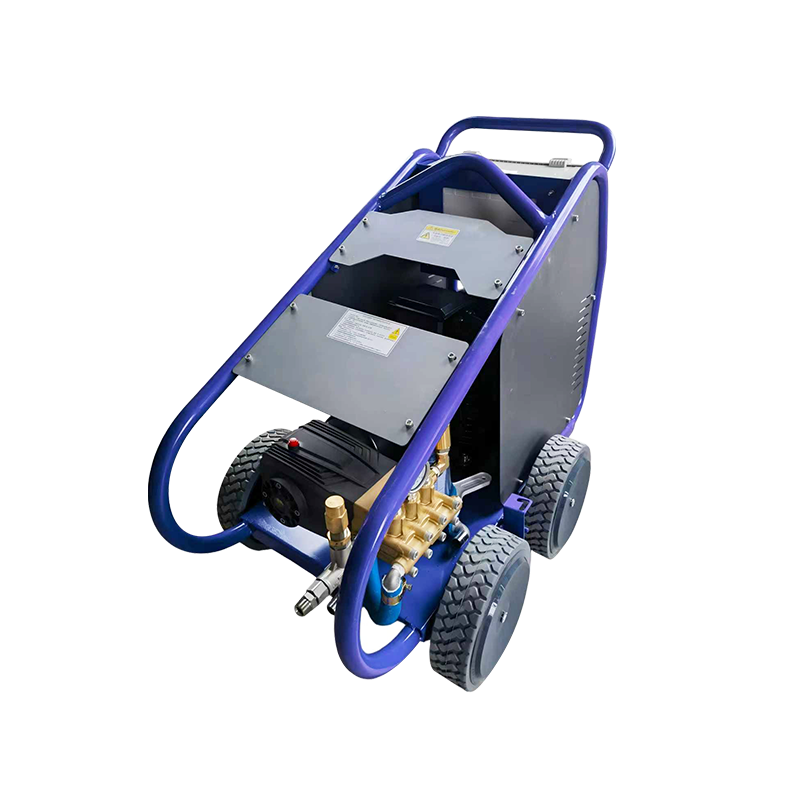
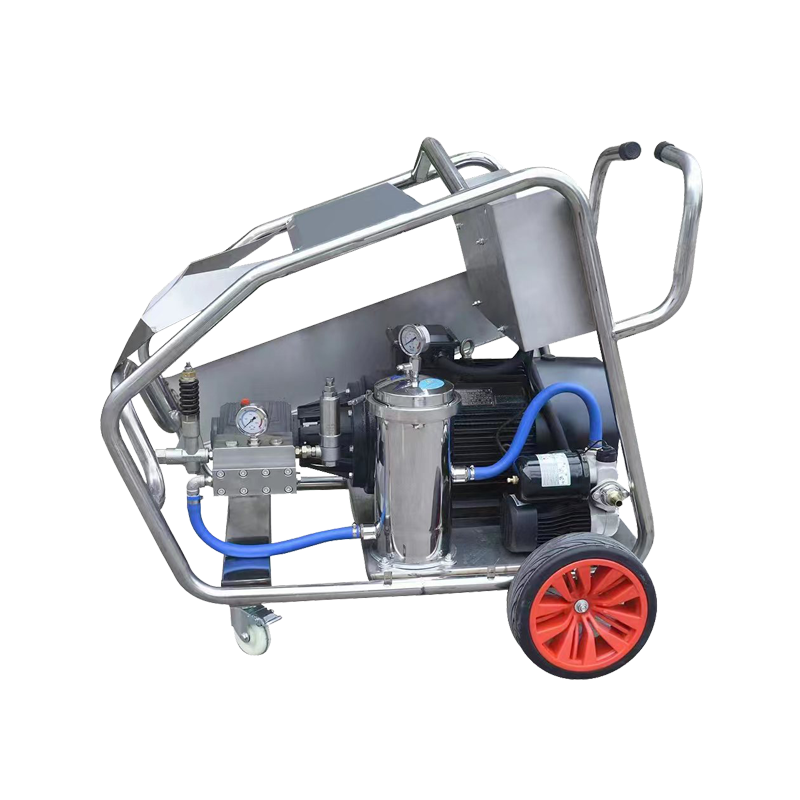
High pressure plunger pumps are workhorses in industrial cleaning, water jet cutting, and hydraulic systems, delivering fluid at pressures far beyond what standard centrifugal pumps can achieve. These pumps use reciprocating plungers to pressurize water or other liquids, enabling tasks such as removing paint from ships, cutting metal, and powering hydraulic presses.
The operating principle of a high pressure plunger pump is straightforward. An electric motor or engine rotates a crankshaft, which moves one or more plungers back and forth inside cylinders. On the intake stroke, the plunger withdraws, drawing liquid into the cylinder through a one-way inlet valve. On the compression stroke, the plunger advances, forcing the liquid out through a one-way outlet valve at high pressure. The repeating cycles produce a steady flow of pressurized liquid.
The number of plungers in a high pressure plunger pump affects its performance. A single-plunger pump produces a pulsing flow, as pressure drops between strokes. Three-plunger pumps, called triplex designs, overlap their strokes to create a smoother flow with less pressure variation. Five-plunger pumps offer even smoother output but cost more and have more moving parts. For many industrial applications, triplex pumps balance cost, smoothness, and reliability.
Flow rate is separate from pressure and equally important. A high pressure plunger pump might deliver a small volume at very high pressure for cutting, or a larger volume at moderate pressure for cleaning large surface areas. The pump’s flow rate, measured in gallons per minute, determines how quickly a cleaning task is completed. The pressure determines how forcefully the water impacts the surface. Proper pump selection matches both parameters to the intended work.
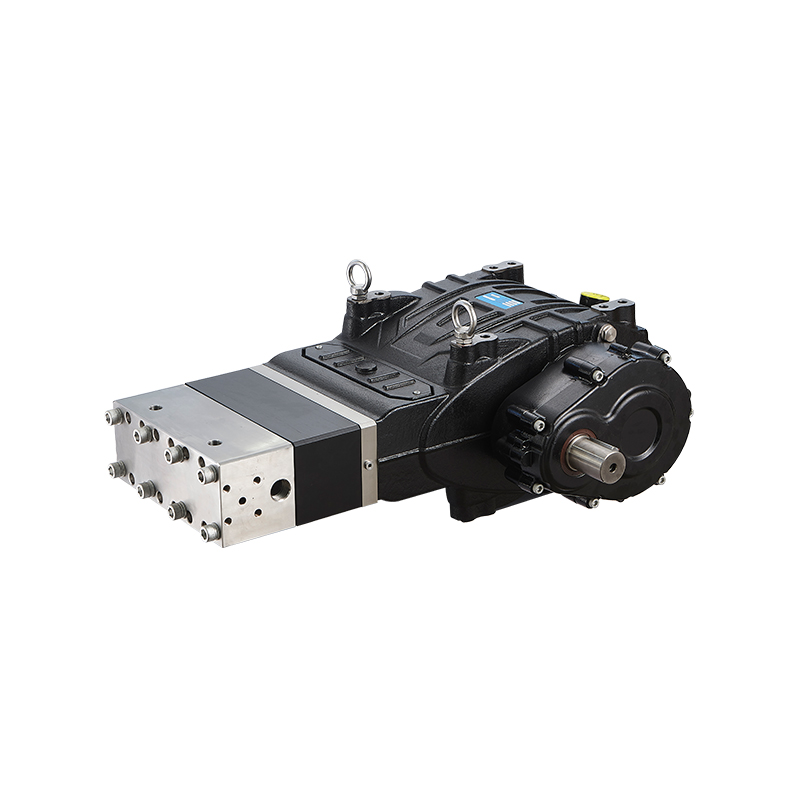
Maintenance of high pressure plunger pumps is essential for longevity. The valves are wear items that eventually leak, reducing pressure and flow. The plunger seals require periodic replacement as they wear against the moving plunger. The oil in the crankcase must be changed at recommended intervals, as it lubricates the crankshaft and bearings. Many pump failures result from contaminated oil or neglected seal replacement rather than catastrophic component failure.
Common problems with high pressure plunger pumps include pressure drop, erratic pressure, and excessive noise. A gradual pressure drop often indicates worn valves or seals. Erratic pressure, where the gauge needle fluctuates widely, may mean air is entering the suction line or a valve is sticking. A knocking noise can signal a loose connecting rod bearing or a plunger that has come loose from its crosshead. Regular inspection catches these issues before they cause major damage.
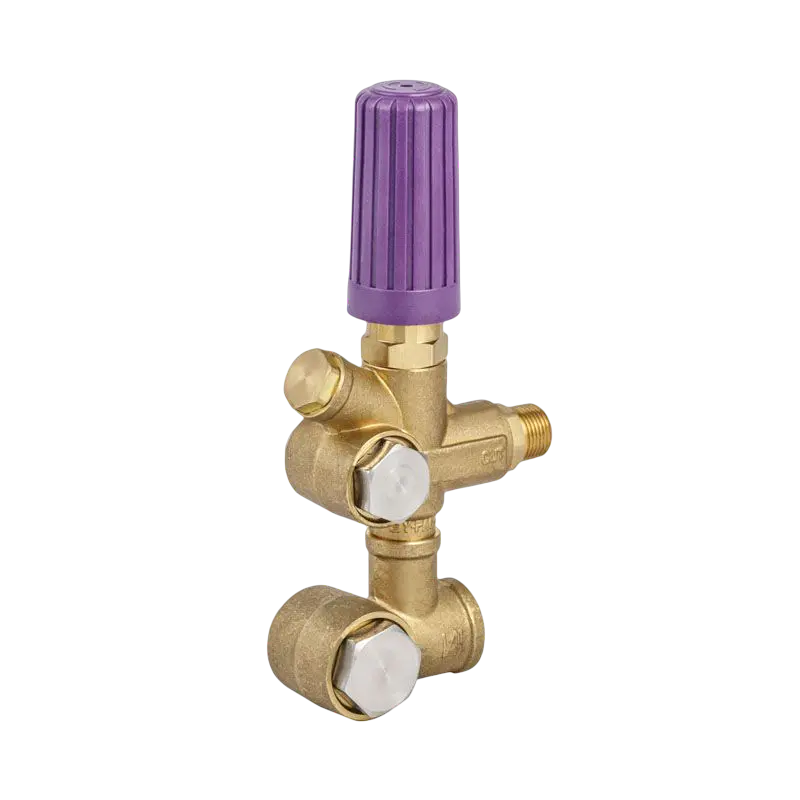
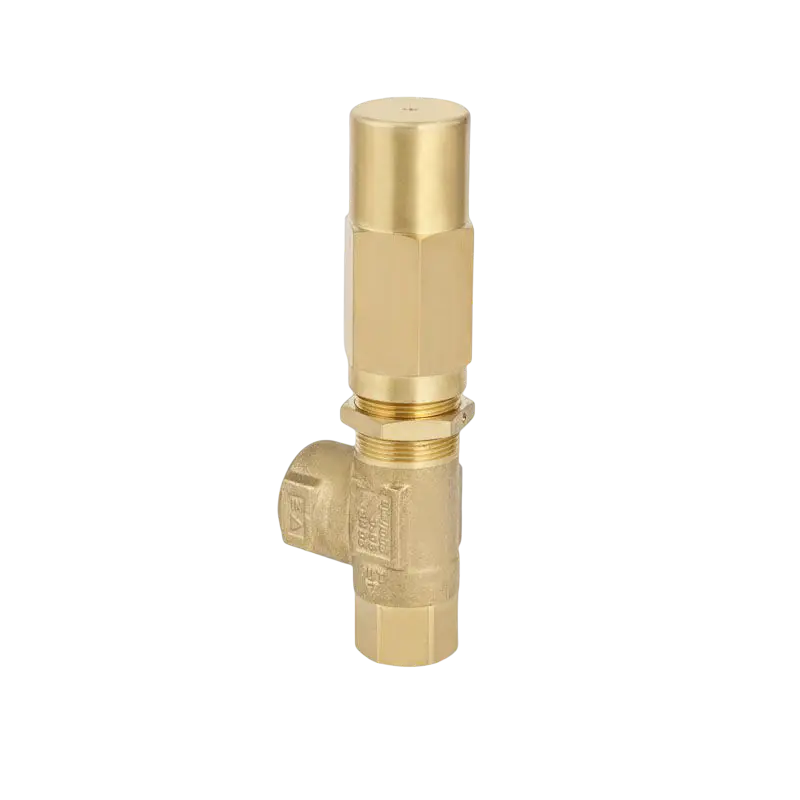
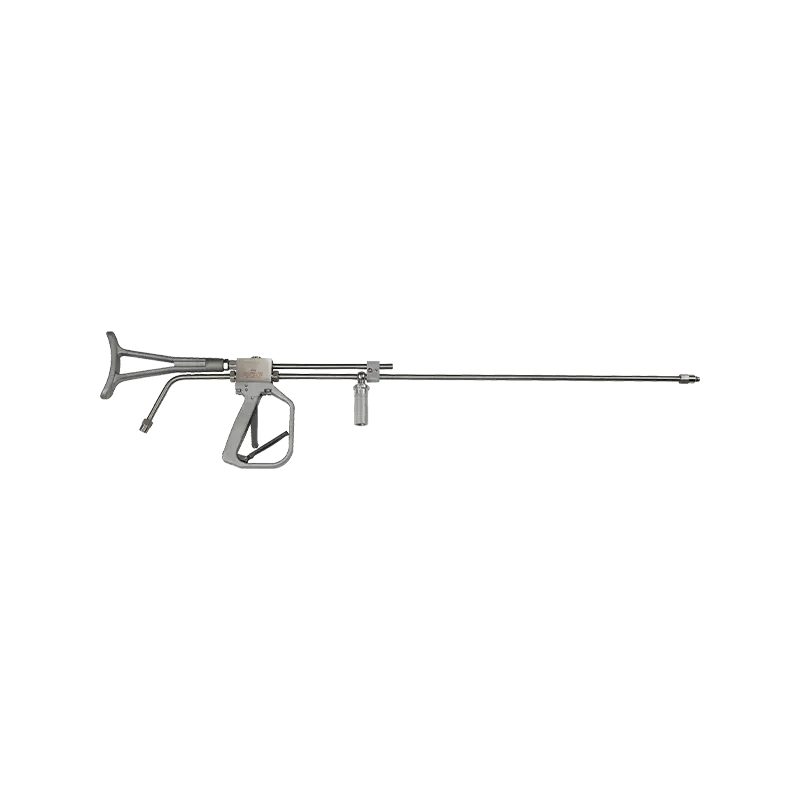
Safety considerations for high pressure plunger pumps are serious. The liquid exiting the pump carries enough energy to cut skin, inject fluid into tissue, or propel objects at dangerous speeds. Operators must wear protective clothing, including gloves, face shields, and reinforced footwear. Hoses and fittings must be rated for the pump’s up to pressure, with a safety factor above the operating pressure. No part of the body should ever be placed near the spray nozzle while the pump is running.
For industries that rely on high pressure water and fluid power, the high pressure plunger pumps deliver the force needed for difficult jobs. They run for hours in dusty shipyards, damp food processing plants, and noisy manufacturing facilities, converting rotational power into hydraulic energy that cuts, cleans, and forms materials. When the job demands pressure beyond ordinary pumps, these plunger pumps get the work done.