
-2(1).png)
 English
 Español
The global industrial cleaning sector is placing growing reliance on the high pressure water jet pump as industries seek effective, chemical-free alternatives for tough cleaning, cutting, and surface preparation tasks. A high pressure water jet pump pressurizes water to bad levels, generating a concentrated stream capable of removing coatings, cleaning heat exchangers, and descaling equipment without the environmental impact of abrasive blasting or chemical solvents. Current market data indicates the global high-pressure water jet equipment sector exceeds 2.5 billion dollars annually, with pump units representing the core technology investment. The high pressure water jet pump category has diversified significantly, with pressure ratings, flow rates, and drive configurations now matched to specific industrial applications.
What Product Categories and Classifications Define the Market?
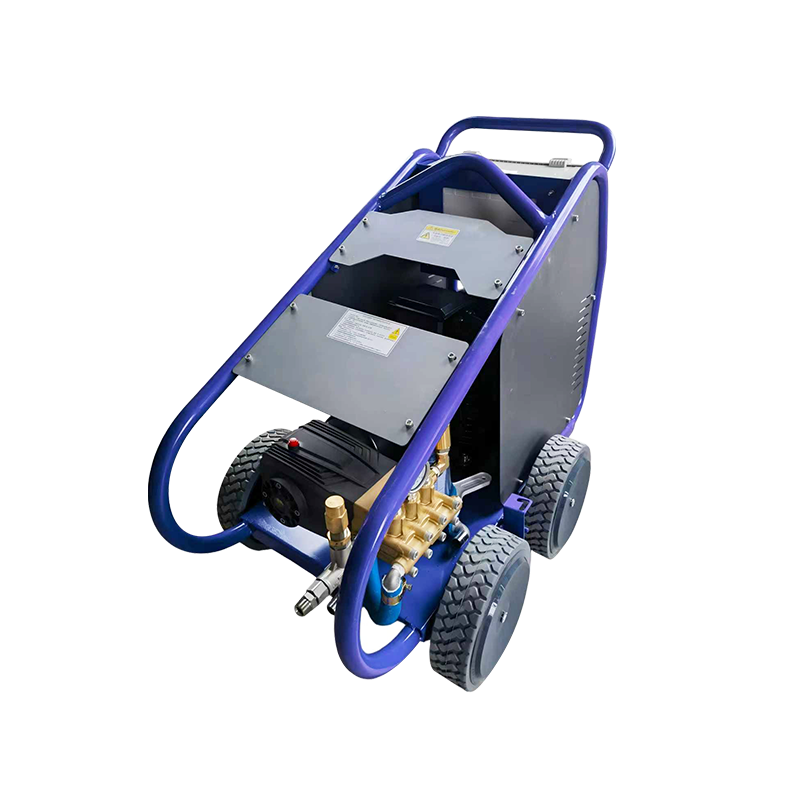
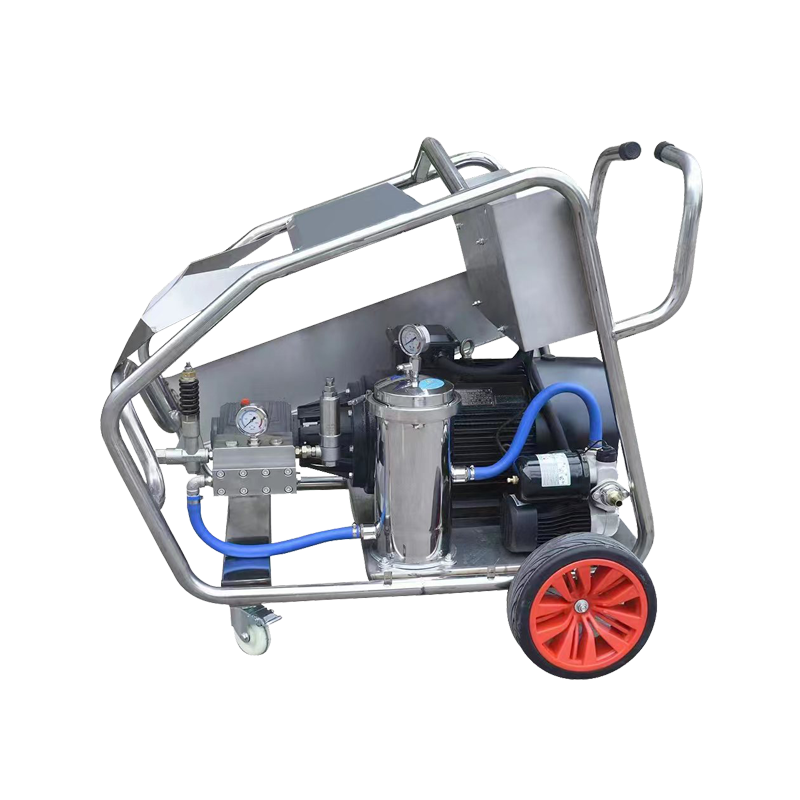
The market segments primarily by pressure range, pump mechanism, and drive type. Plunger pumps dominate above 500 bar, accounting for roughly 70 percent of industrial installations, with triplex configurations delivering uniform flow and reduced pulsation compared to duplex alternatives. Crankshaft-driven plunger pumps achieve pressures up to 3,000 bar for water jet cutting and heavy surface preparation. Below 500 bar, piston and diaphragm pumps serve general industrial cleaning, with diaphragm designs handling recycled or particle-laden water. Diesel engine-driven pumps hold approximately 40 percent of the mobile cleaning market, providing autonomy for remote pipeline and construction site applications. Electric motor-driven units command roughly 55 percent of stationary installations in manufacturing and food processing facilities, where continuous power access is standard. Trailer-mounted and skid-mounted pump packages enable contractors to transport complete systems between job sites without disassembly.
What Technical Parameters Guide Selection and Sizing?
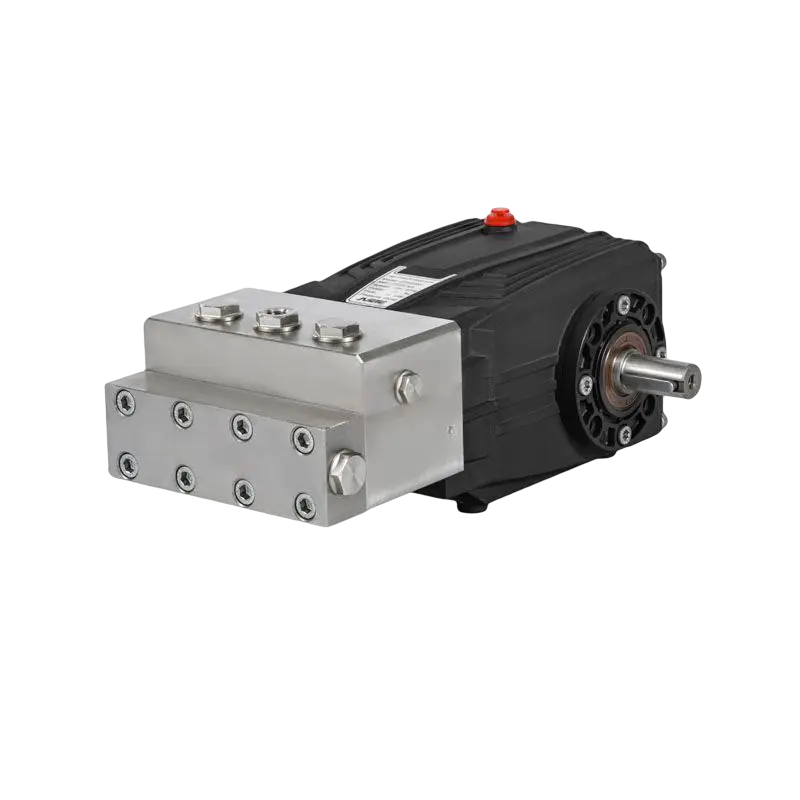
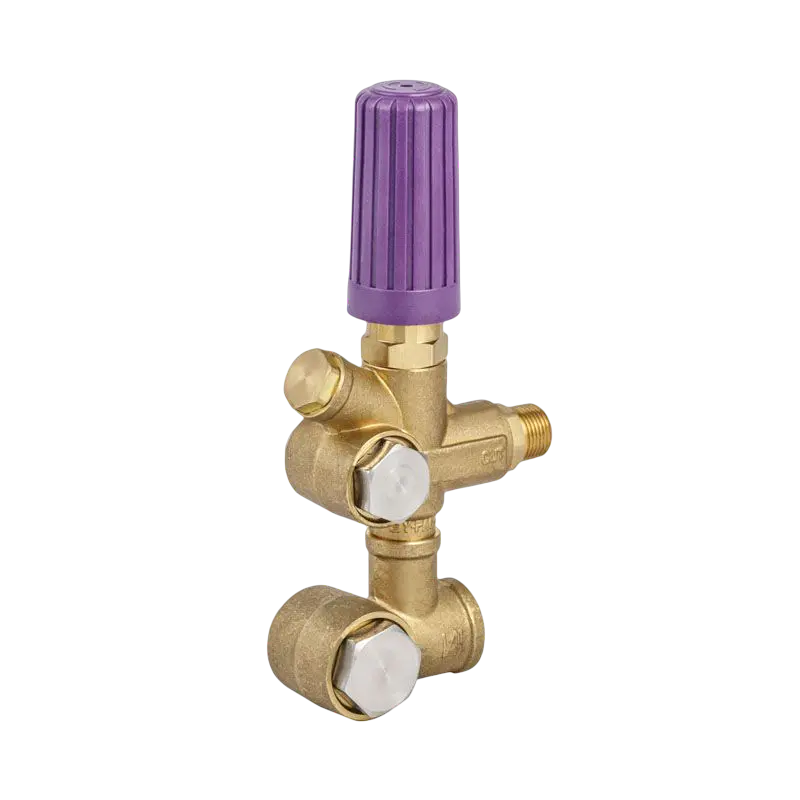
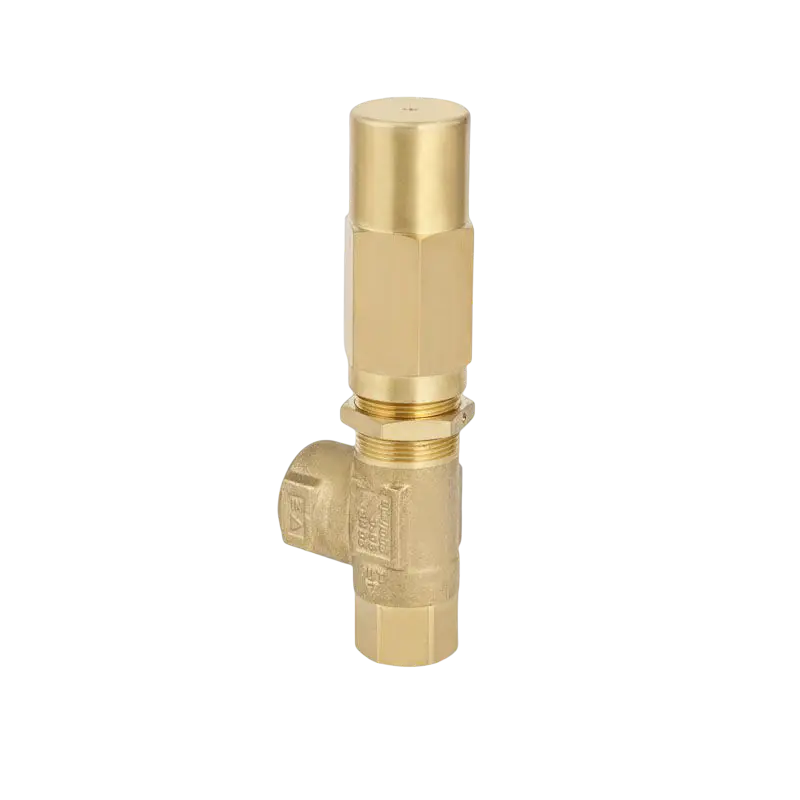
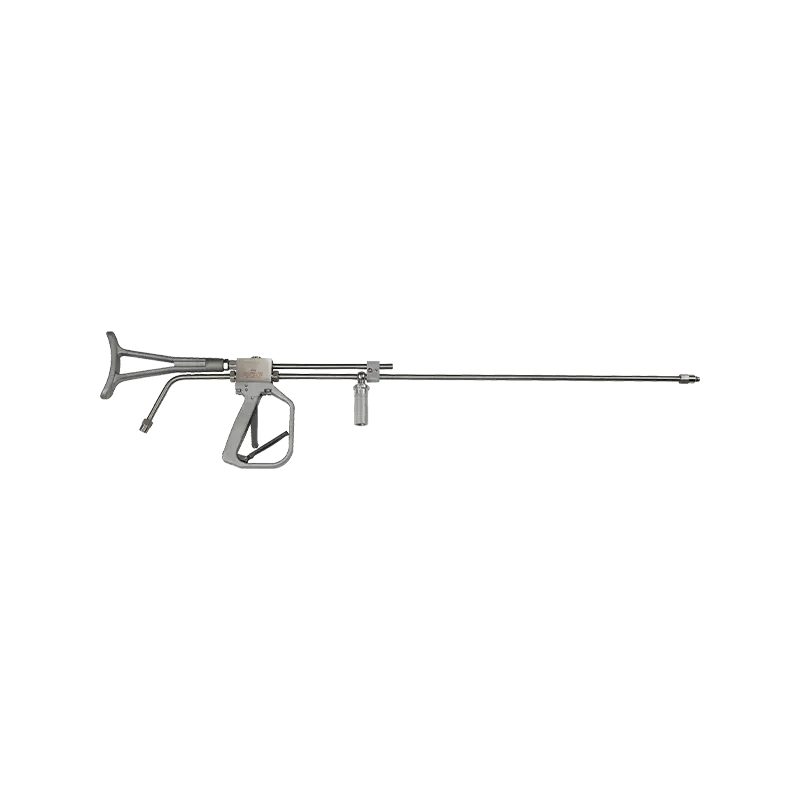
Selection begins with the relationship between pressure, flow rate, and application requirements. Pressure ratings span from 100 bar for light equipment washing to 3,000 bar for precision cutting and concrete removal, with 500 to 1,500 bar representing the commonly specified range for industrial cleaning. Flow rates range from 10 to 50 liters per minute for handheld cleaning guns, up to 100 to 300 liters per minute for automated tank cleaning and hydro-demolition robots. Power requirement directly correlates, with a pump delivering 20 liters per minute at 1,000 bar demanding approximately 40 to 45 kilowatts of input power. Nozzle selection affects cleaning effectiveness, with zero-degree nozzles producing spot-focused streams and rotating nozzles distributing impact evenly across pipe interiors. Stainless steel fluid ends are specified for corrosive and marine applications, while ceramic plungers extend service life in abrasive water conditions. Automated pressure regulation and unloader valves protect pump components from over-pressurization and reduce energy consumption during idle periods.
Where Do Application Scenarios and Industry Solutions Intersect?
Deployment spans manufacturing, infrastructure, marine, and demolition sectors, each demanding specific system configurations. In petrochemical plants, explosion-proof pumps at 500 to 1,200 bar clean heat exchanger tube bundles, removing fouling that can reduce thermal efficiency by 15 to 25 percent. Marine applications employ diesel-driven pumps at 500 to 1,000 bar for hull cleaning, removing biofouling and old coatings without the dust pollution of grit blasting. Hydro-demolition robots powered by pumps above 1,500 bar selectively remove deteriorated concrete from bridge decks while preserving sound substrate and rebar. In food and beverage, stainless steel pumps at 100 to 300 bar sanitize production lines without chemical residues, reducing water consumption by up to 40 percent compared to low-pressure washing. Municipal drainage contractors use trailer-mounted pumps at 300 to 500 bar with root-cutting nozzles for sewer maintenance. Surface preparation for industrial flooring employs ride-on units at 500 to 700 bar, achieving production rates of 30 to 50 square meters per hour.
The high pressure water jet pump has established itself as an essential industrial tool, bridging the gap between chemical cleaning limitations and mechanical surface preparation requirements. As environmental regulations tighten and industries seek sustainable alternatives to solvent-based and abrasive methods, its role continues to expand. The high pressure water jet pump that matches pressure, flow, and drive configuration to the operational environment delivers measurable improvements in cleaning efficiency, environmental compliance, and worker safety.
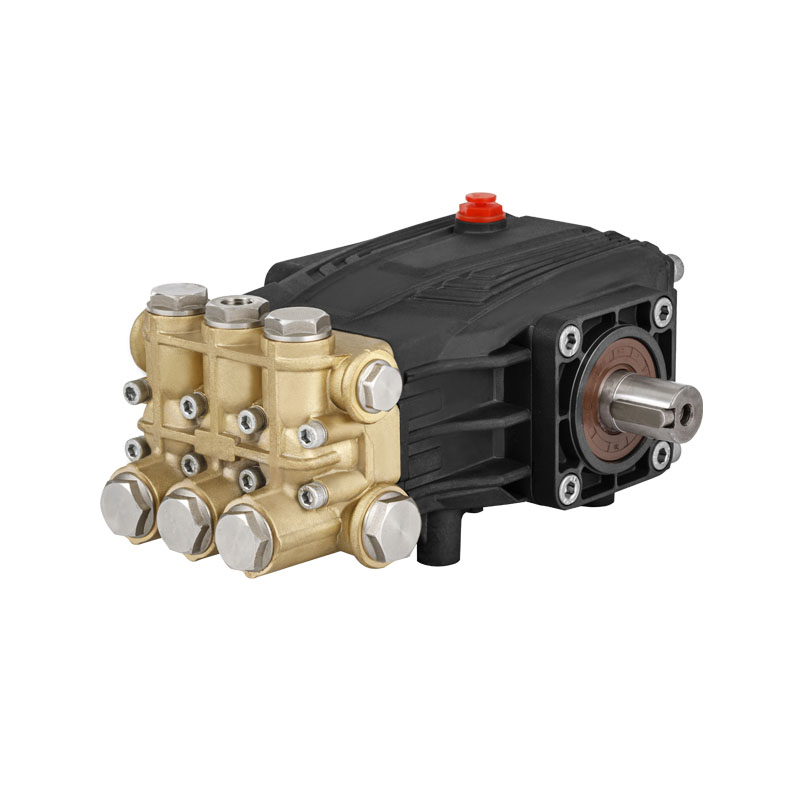
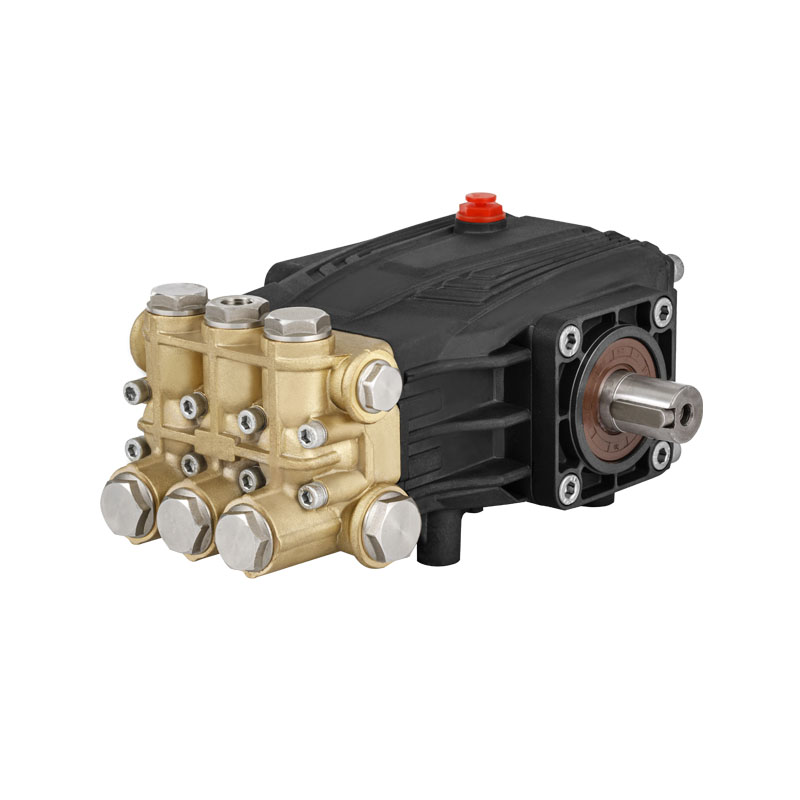
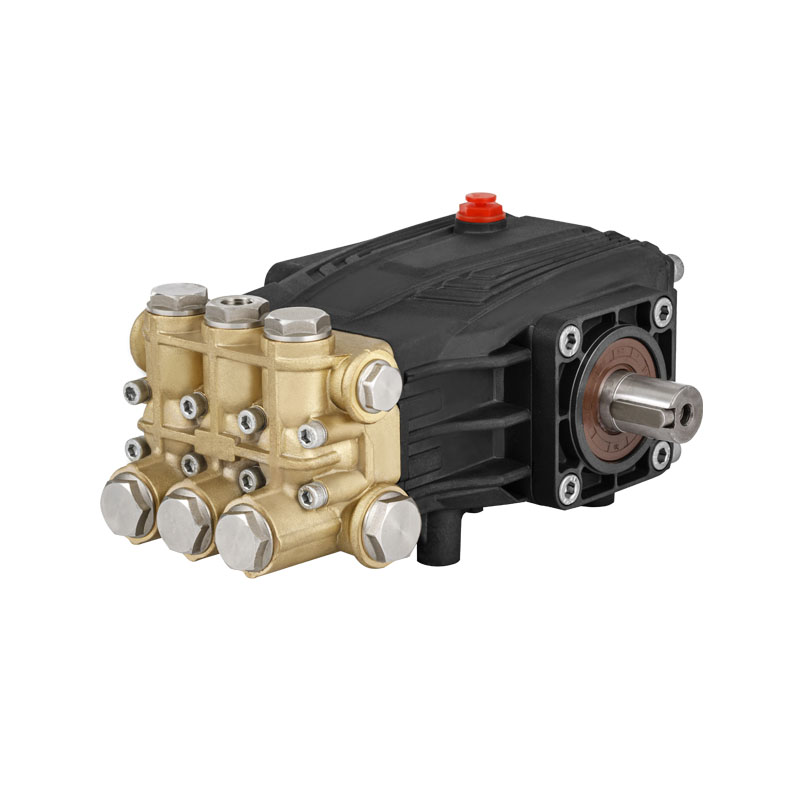
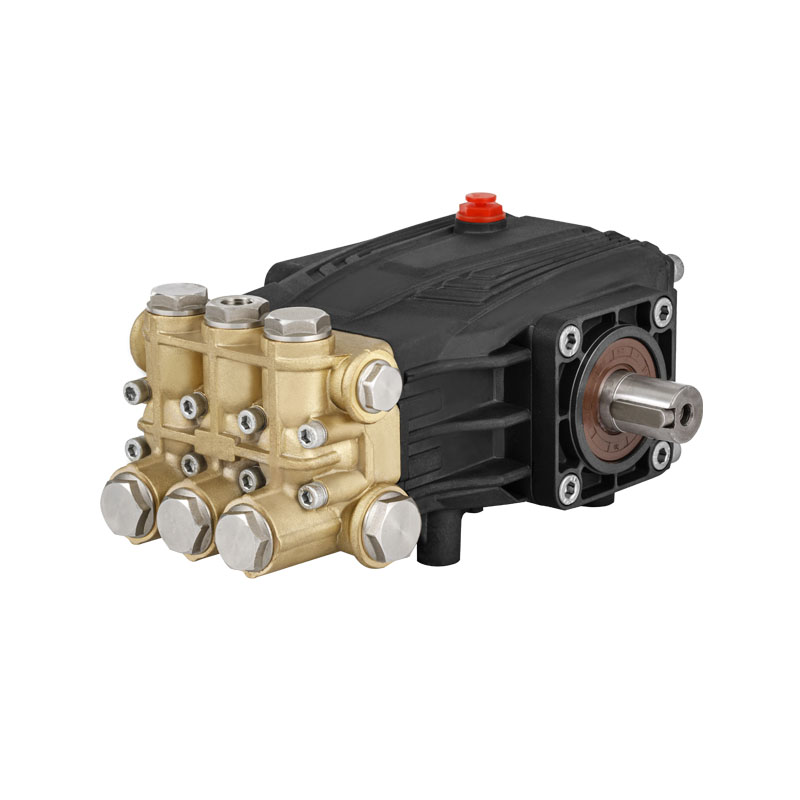
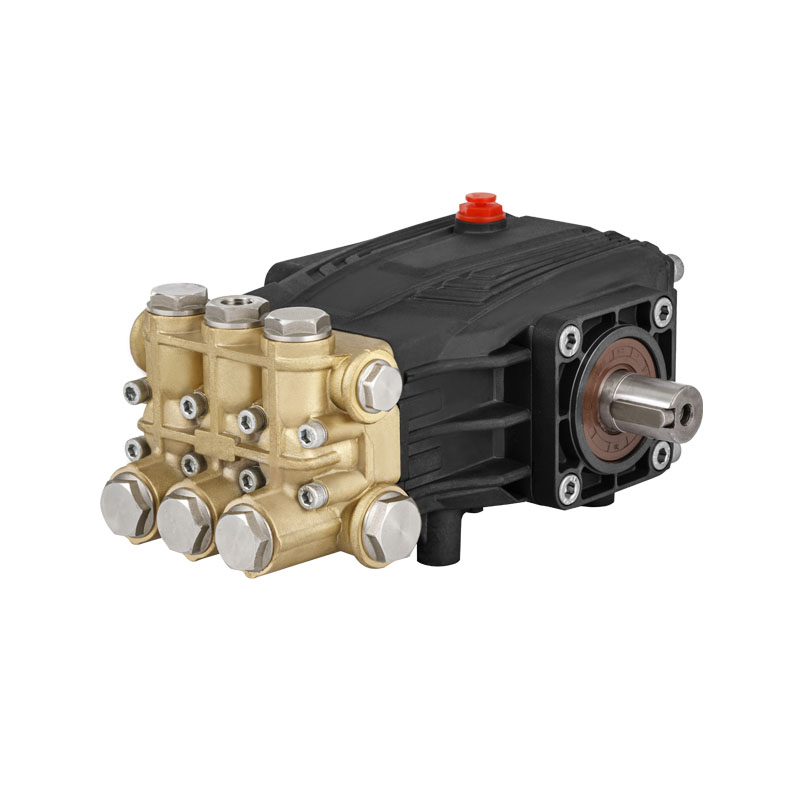
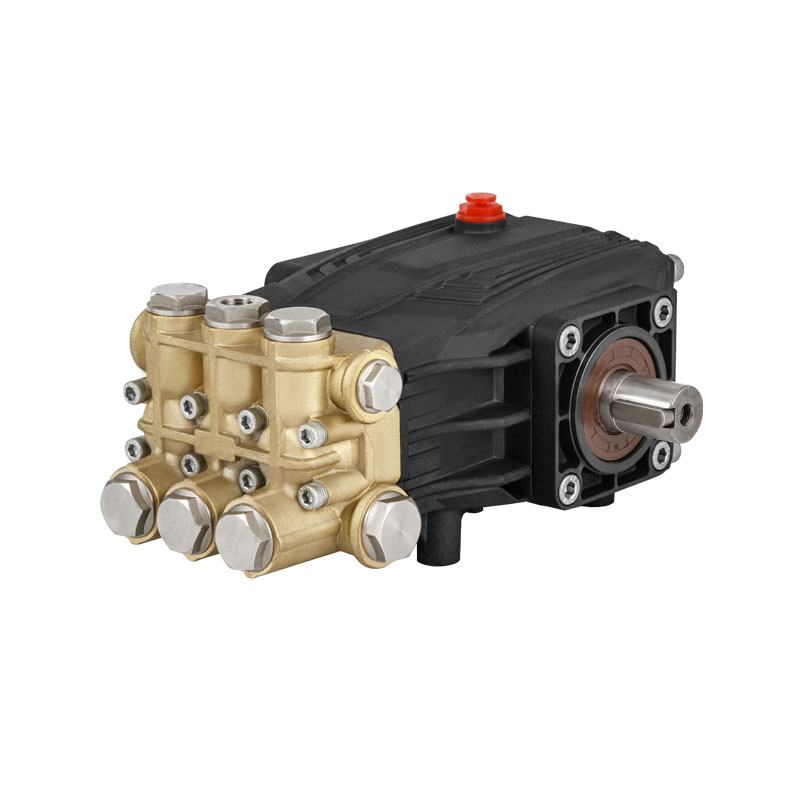
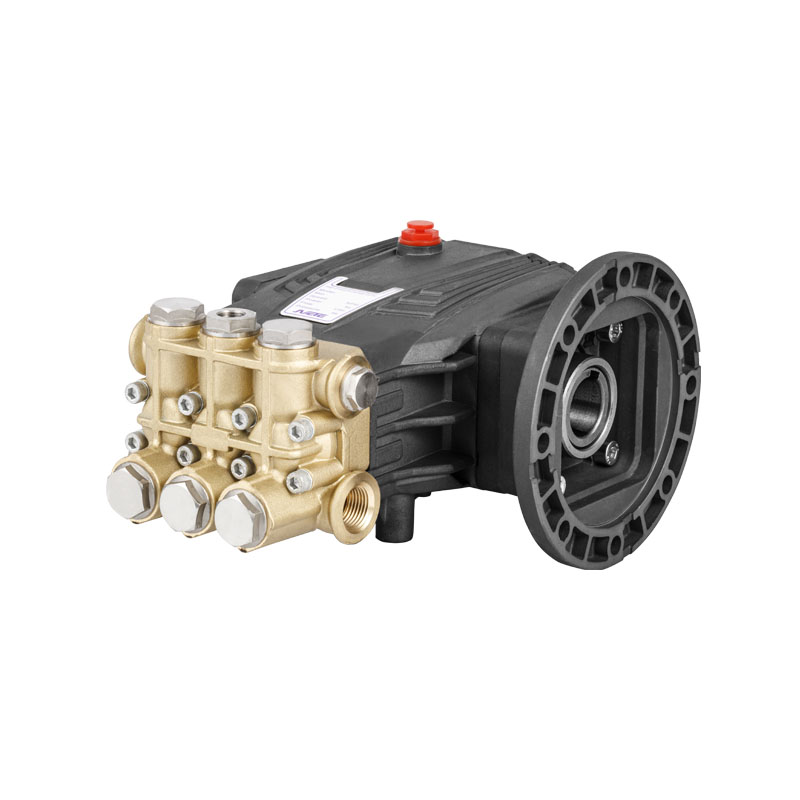
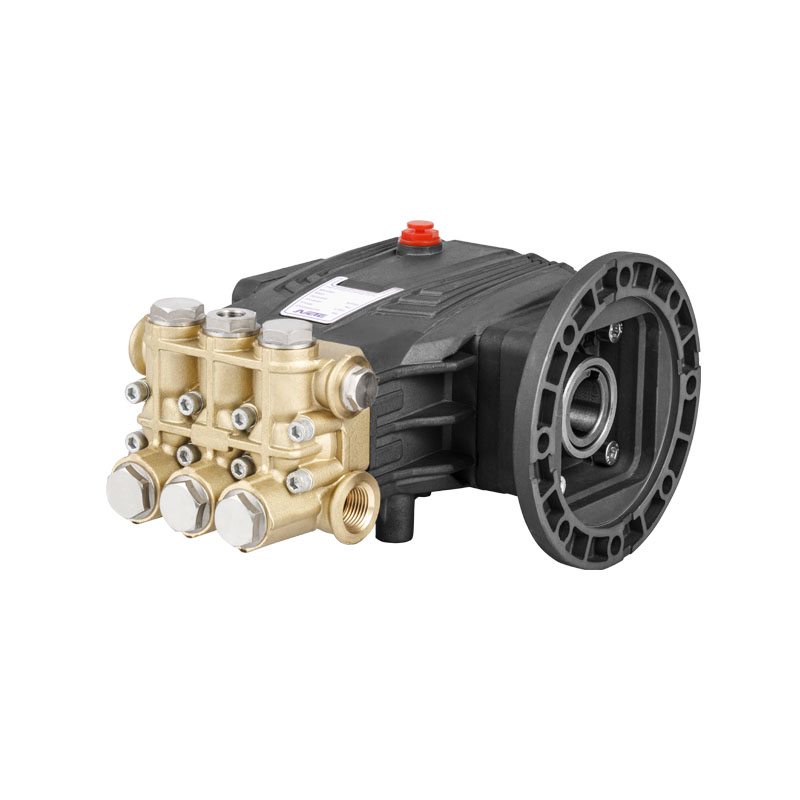
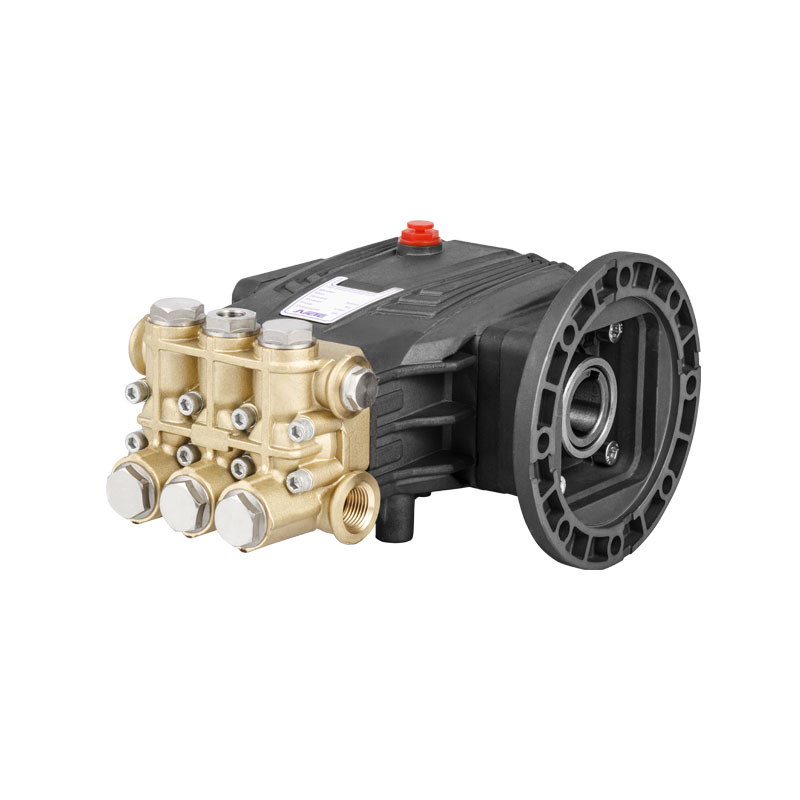
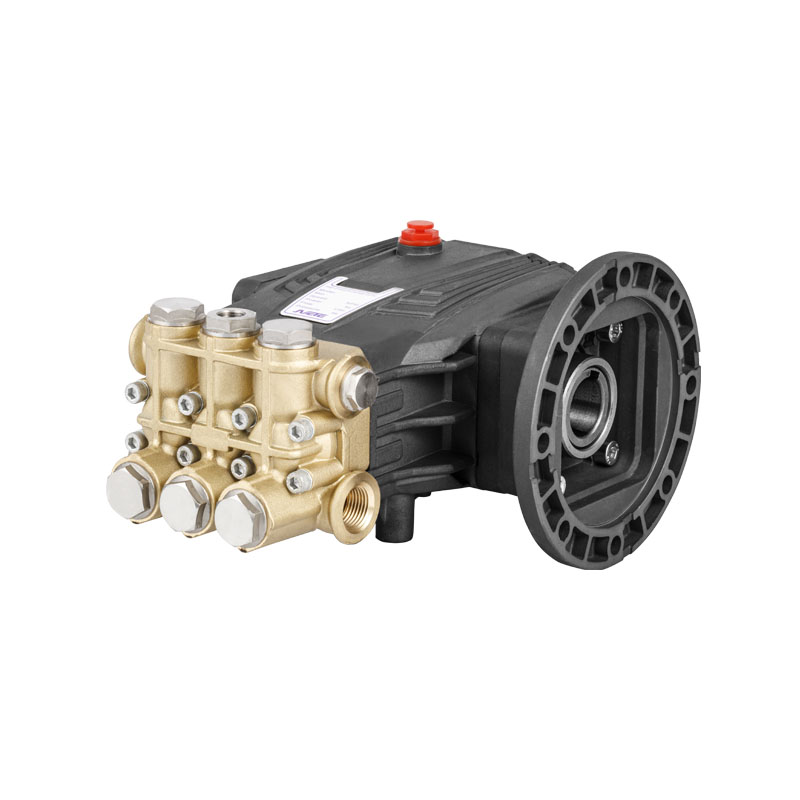
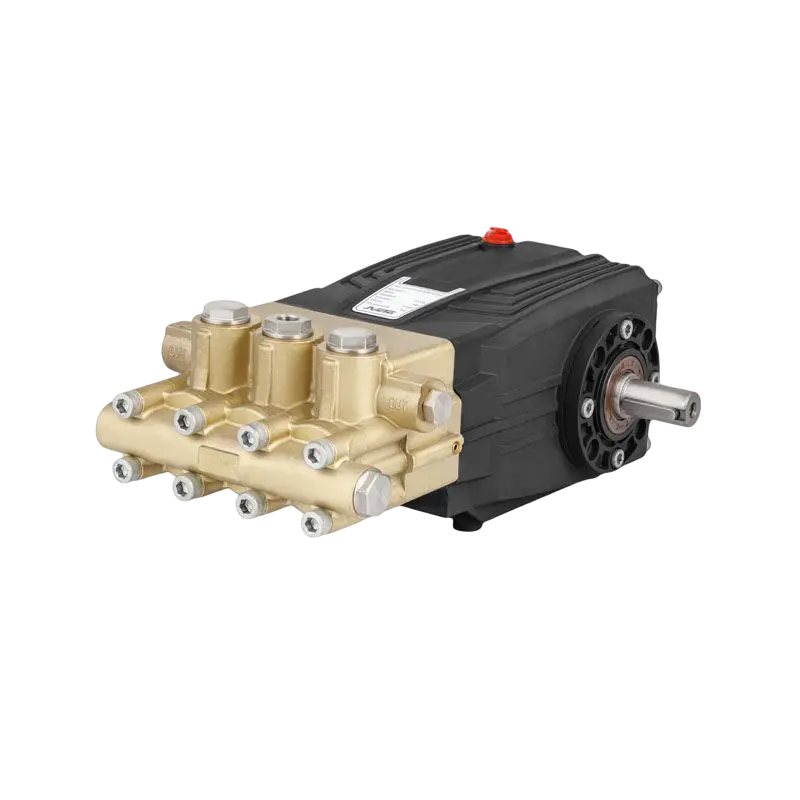
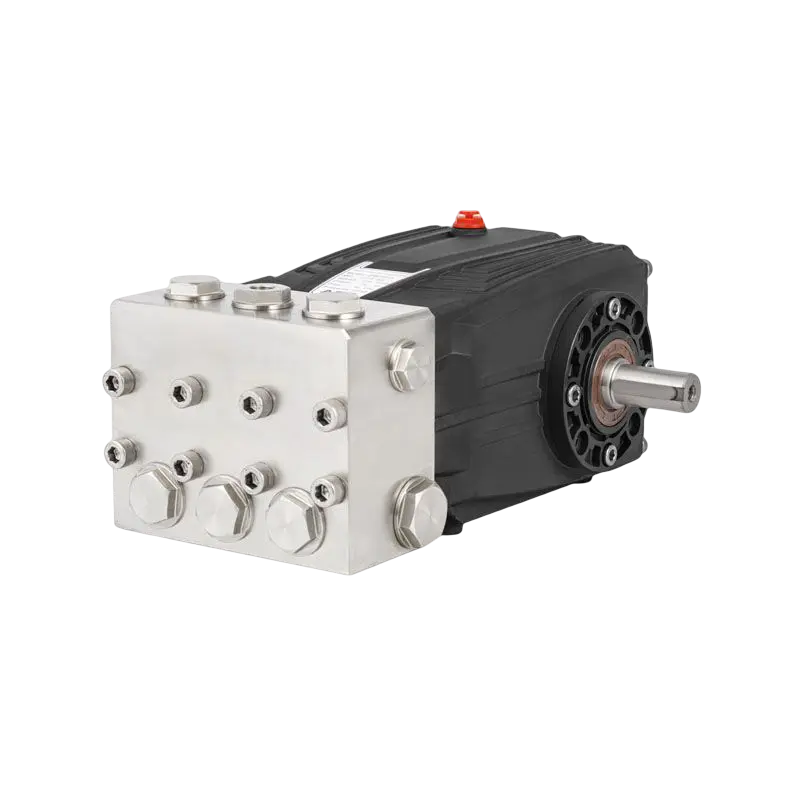
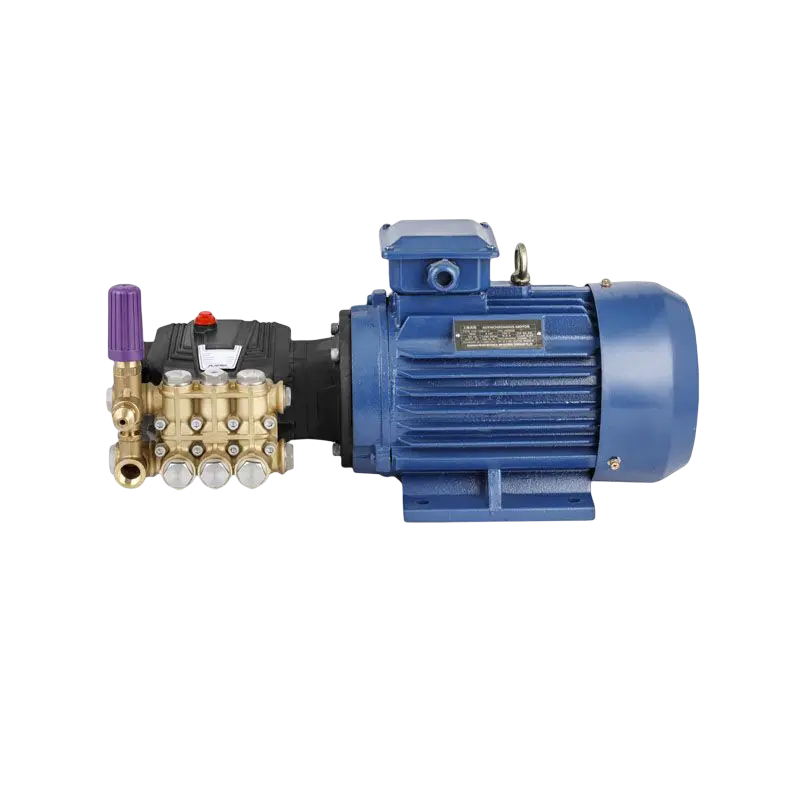
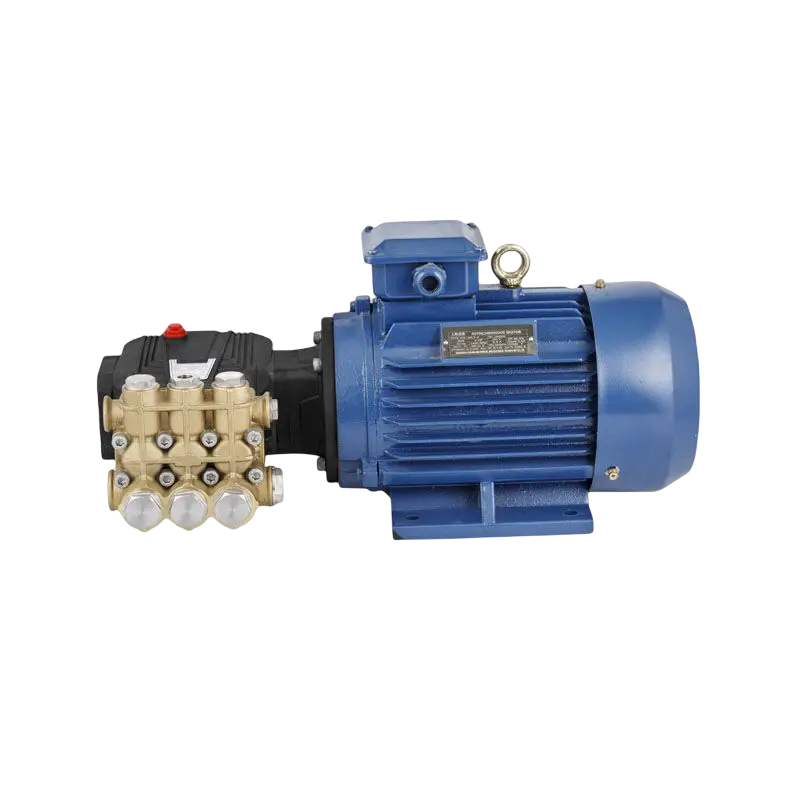
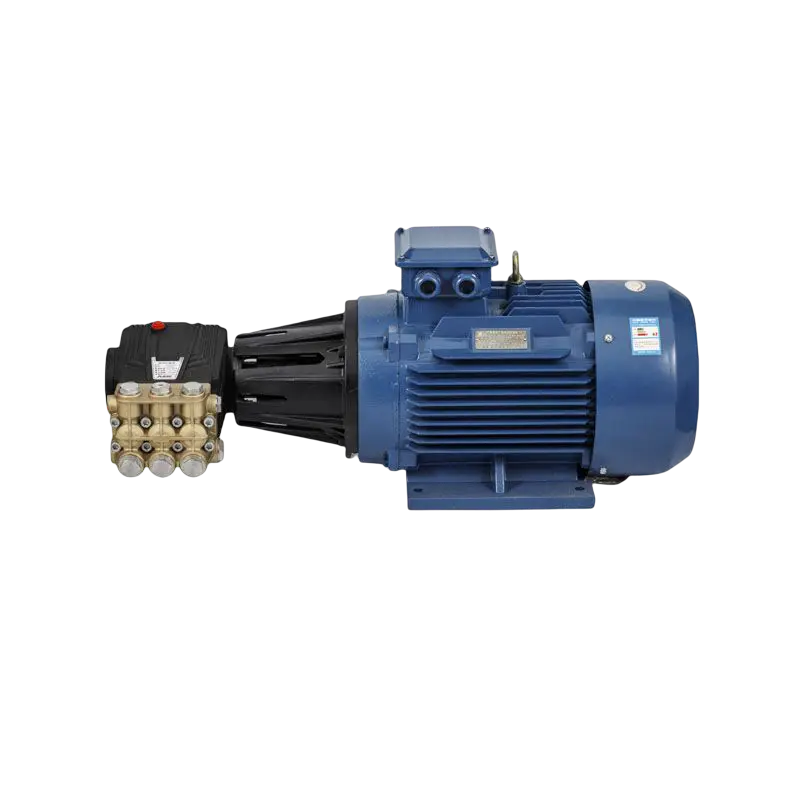
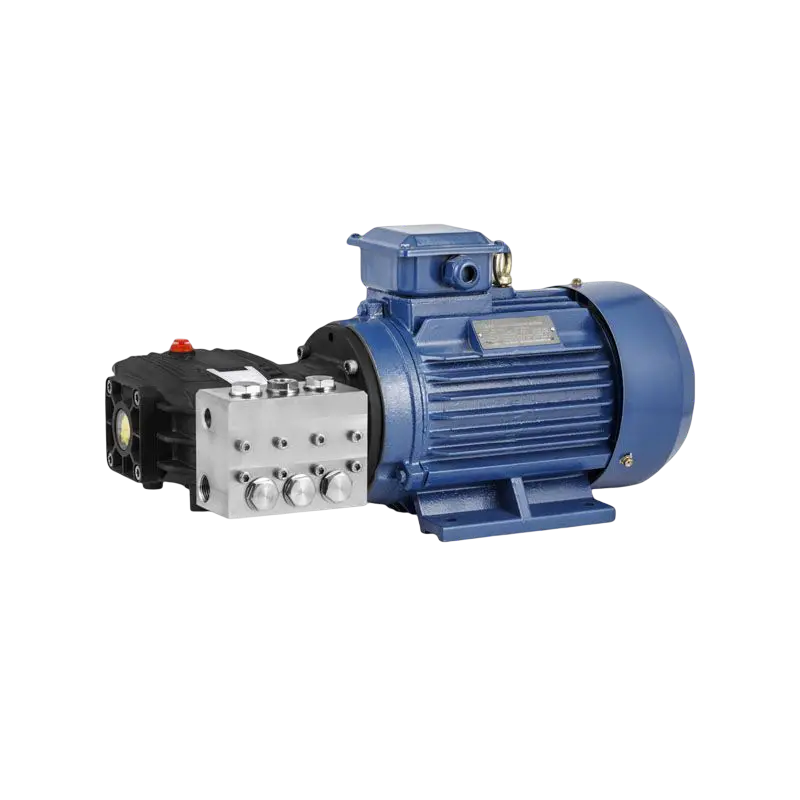
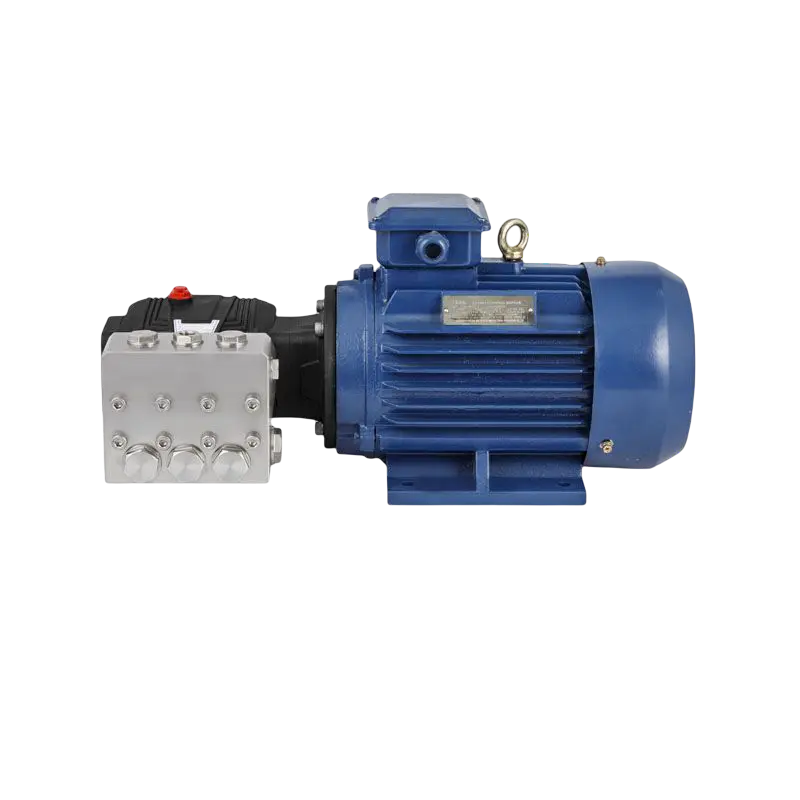
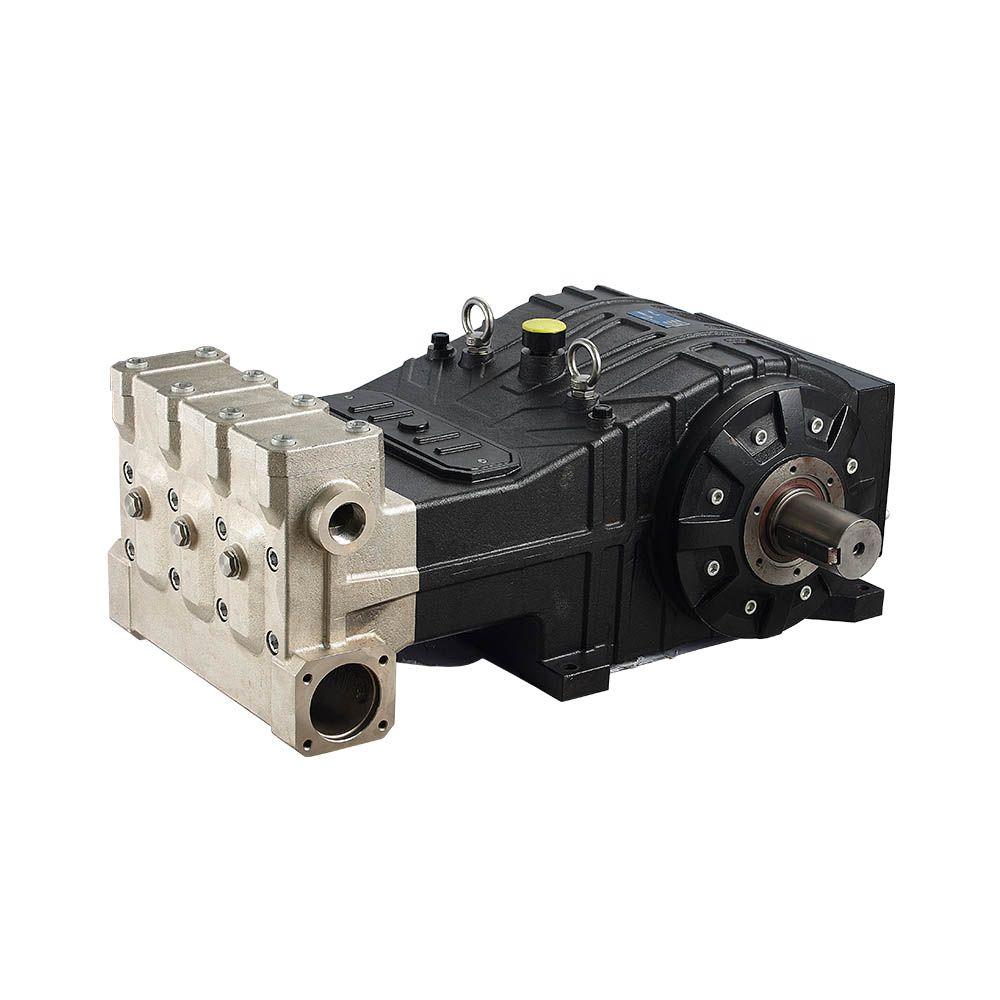
For powerful cleaning and industrial applications, we recommend the MV65 from Ningbo Brilliant Machinery Co., Ltd. This robust plunger pump delivers exceptional pressure for demanding tasks such as surface preparation, paint stripping, pipe cleaning, and heavy-duty equipment washing. Built with durable brass or forged manifolds and high-quality plungers, the MV65 ensures long-lasting performance even under continuous operation. Its compact design allows easy integration into pressure washers or custom cleaning systems. Efficient and reliable, this pump reduces downtime while big output. Whether used in agriculture, construction, or automotive workshops, the MV65 offers outstanding value.