
-2(1).png)
 English
 Español
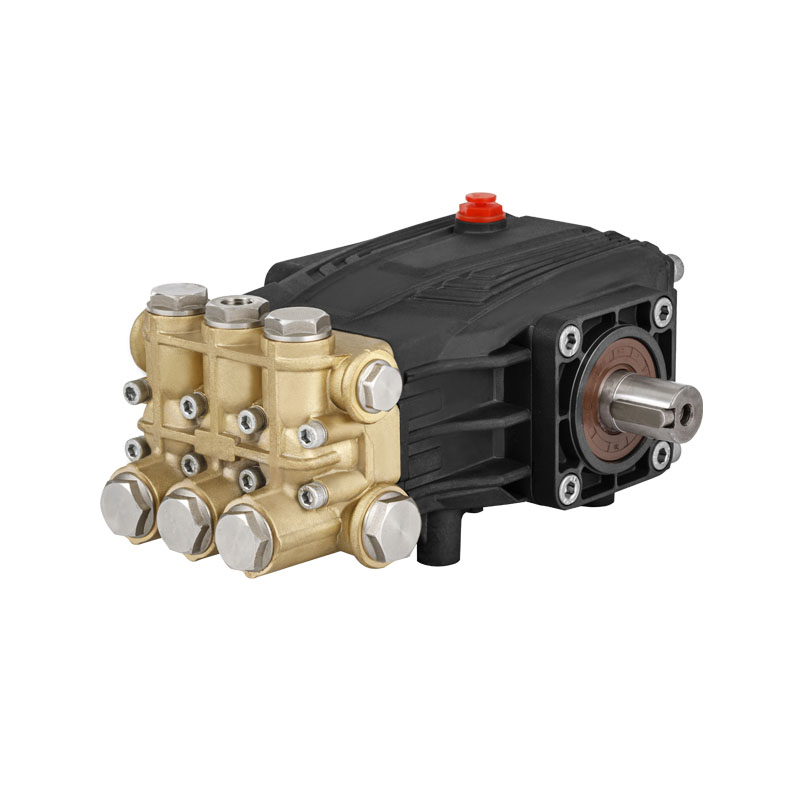
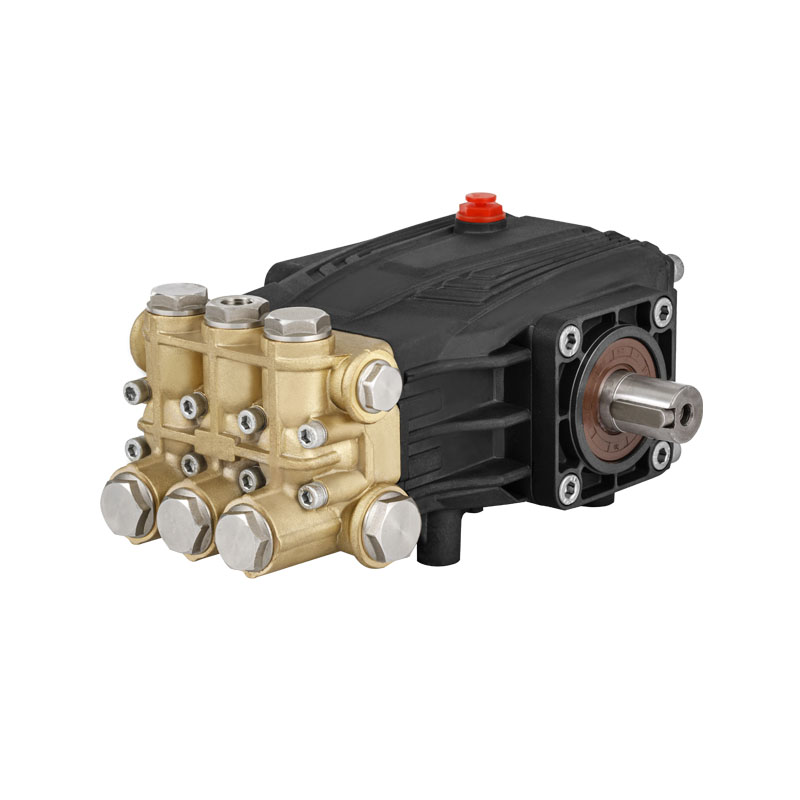
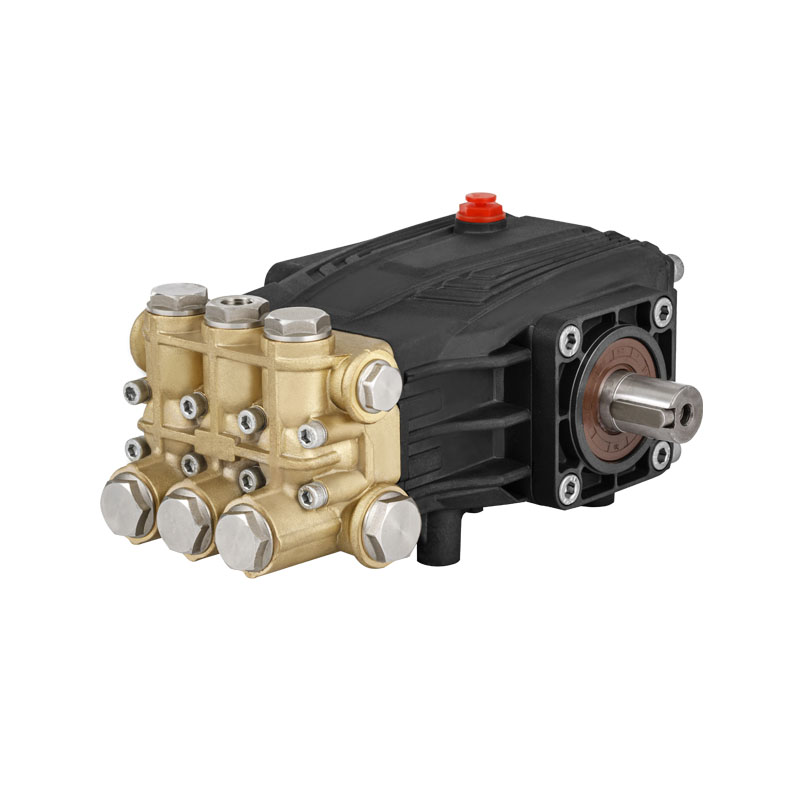
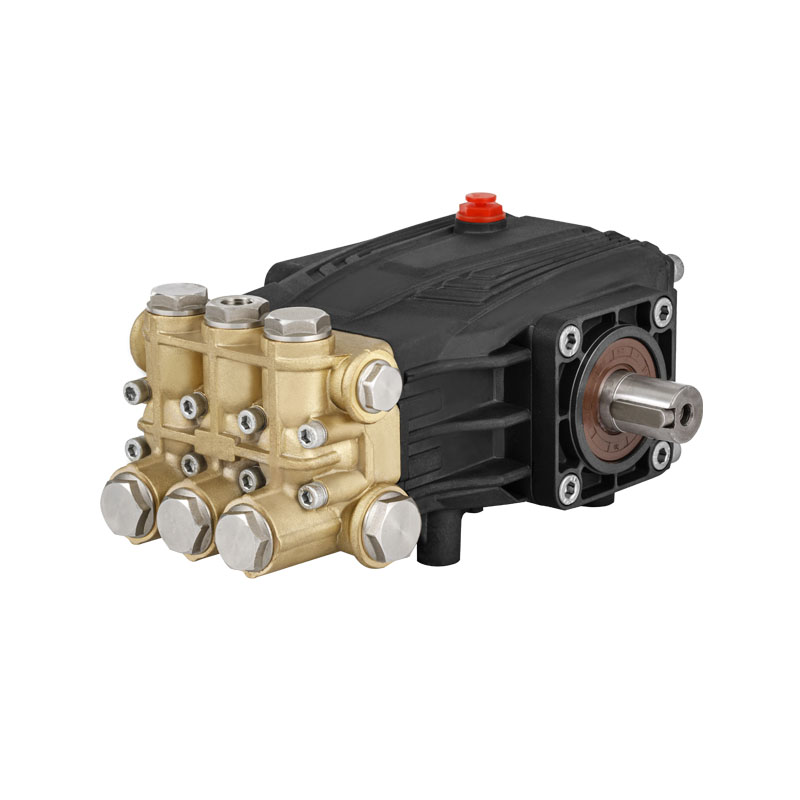
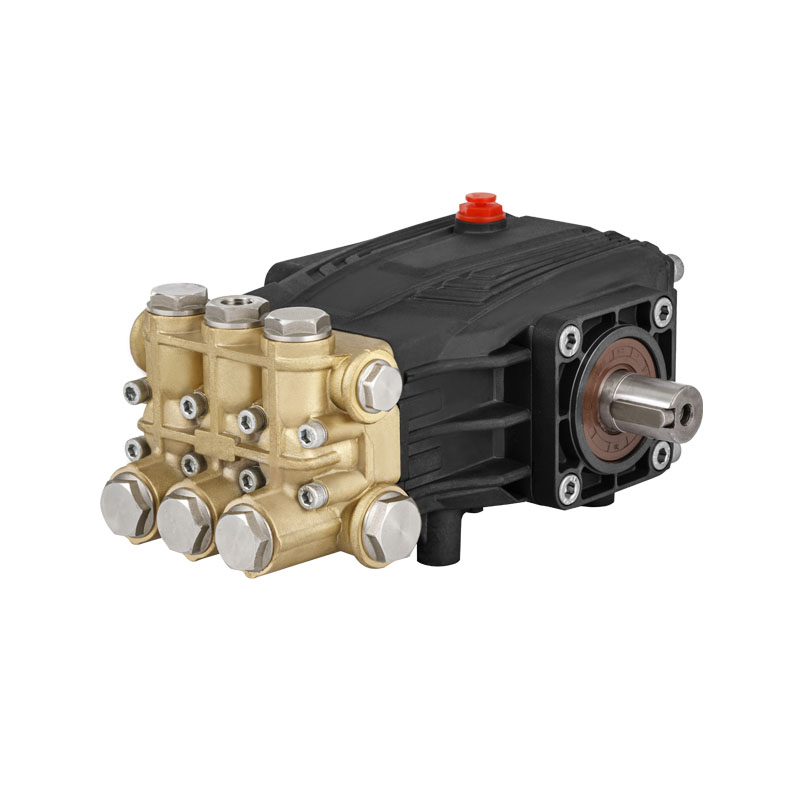
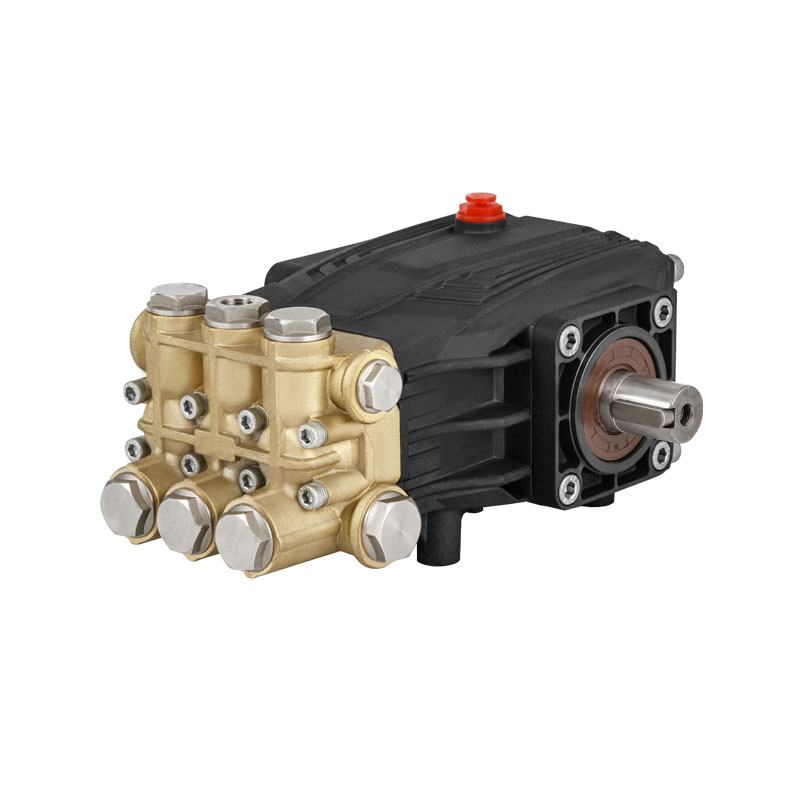
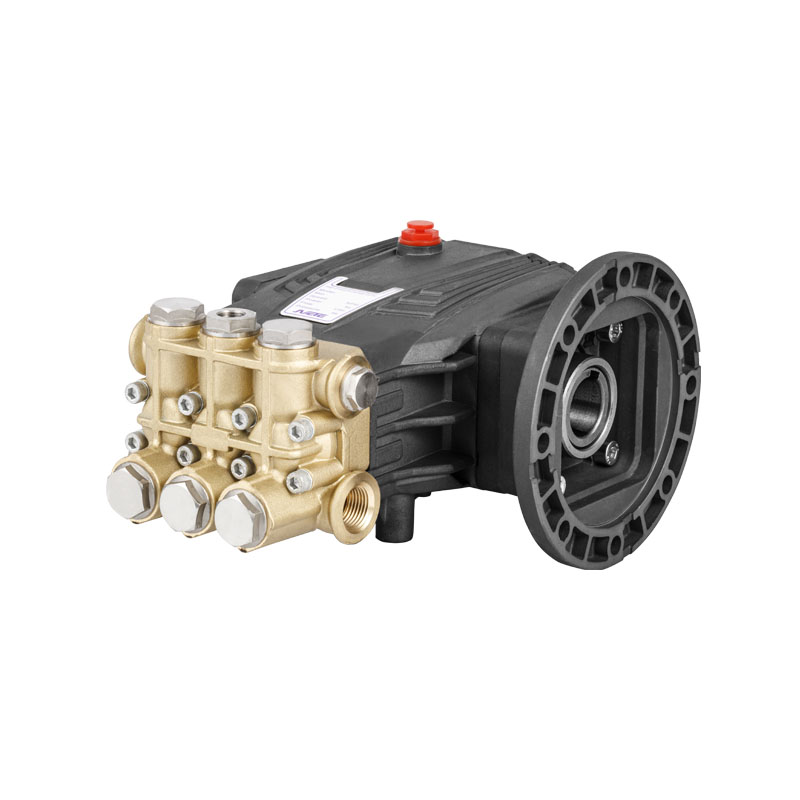
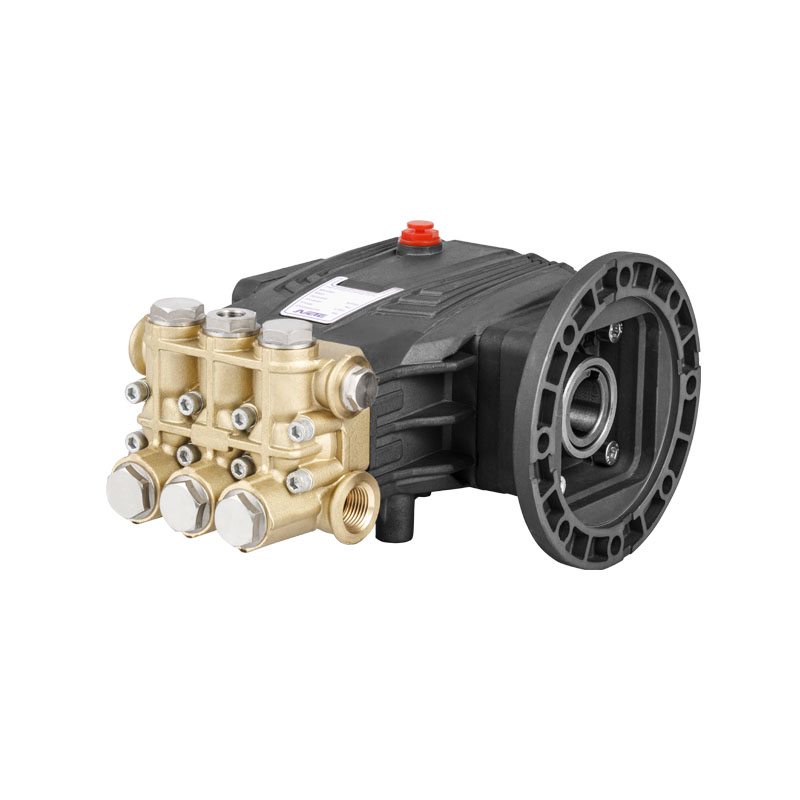
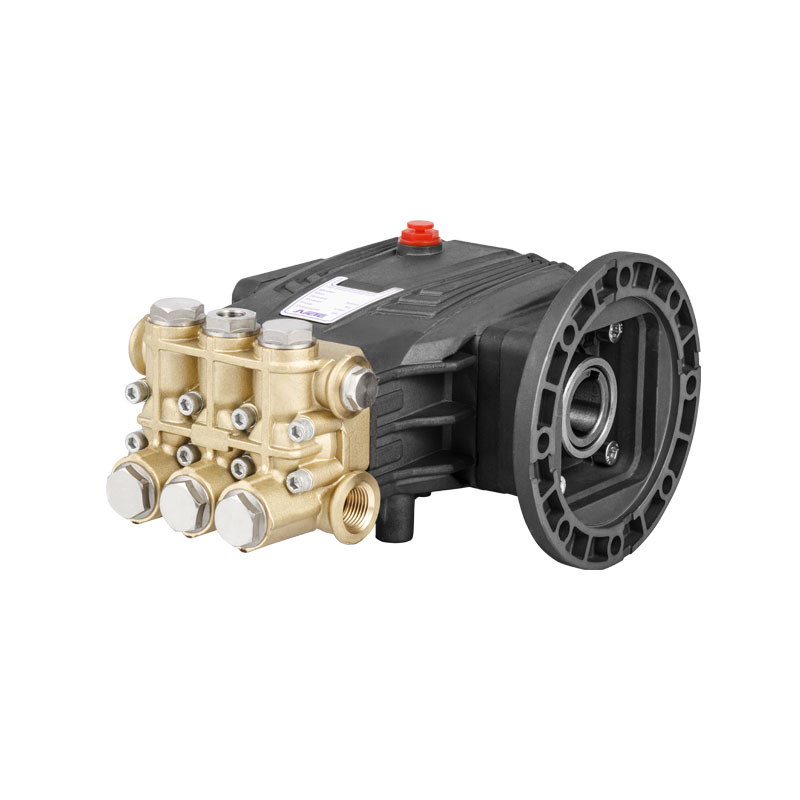
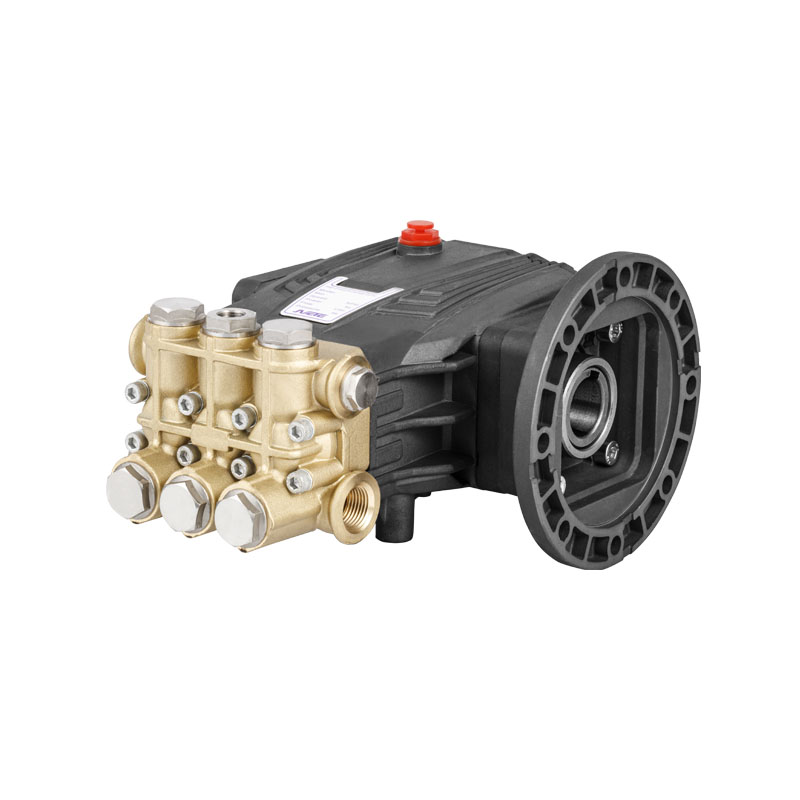
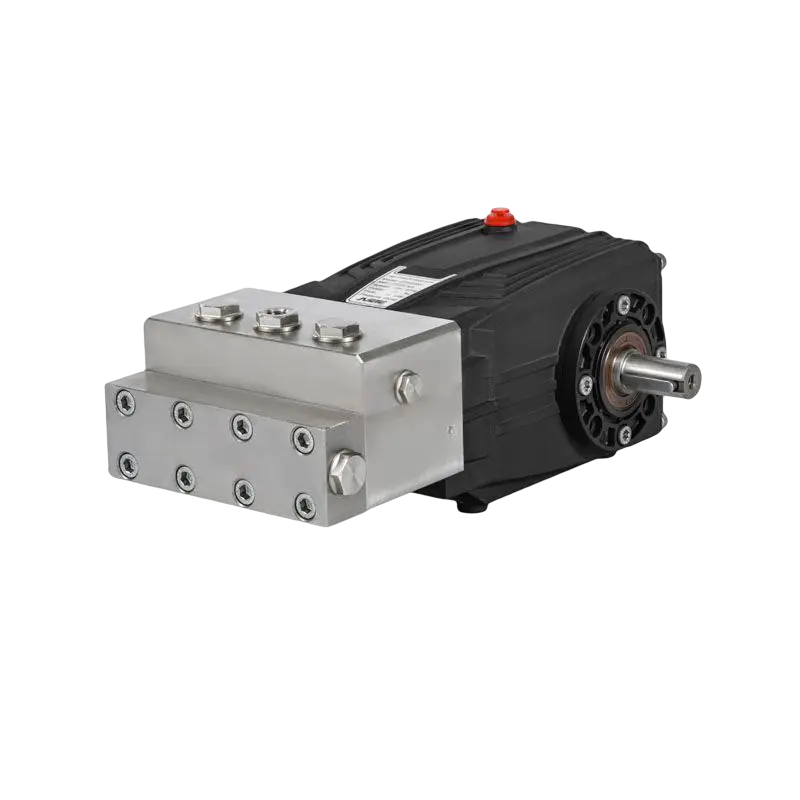
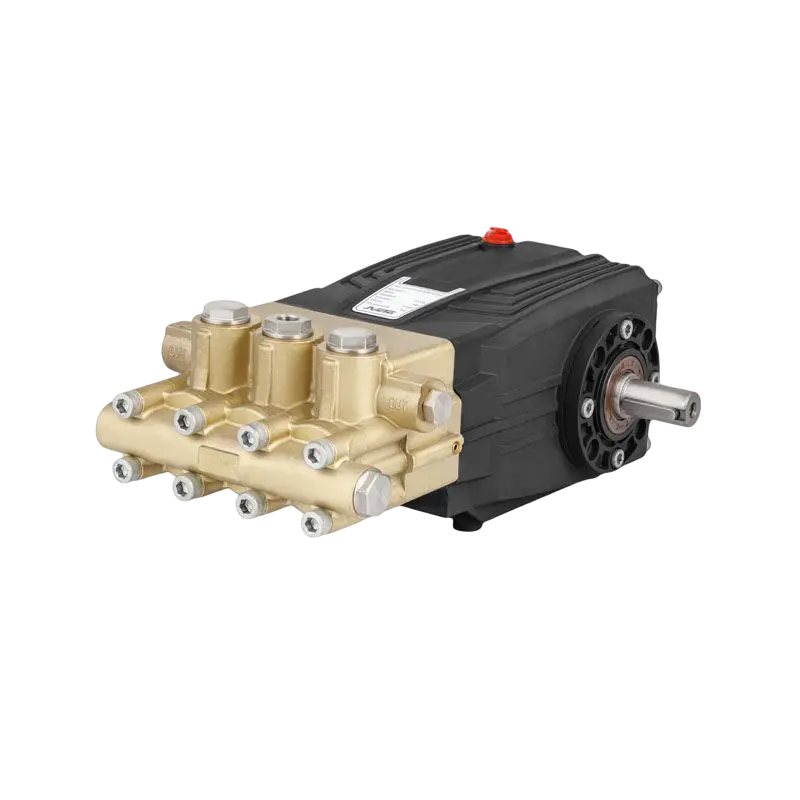
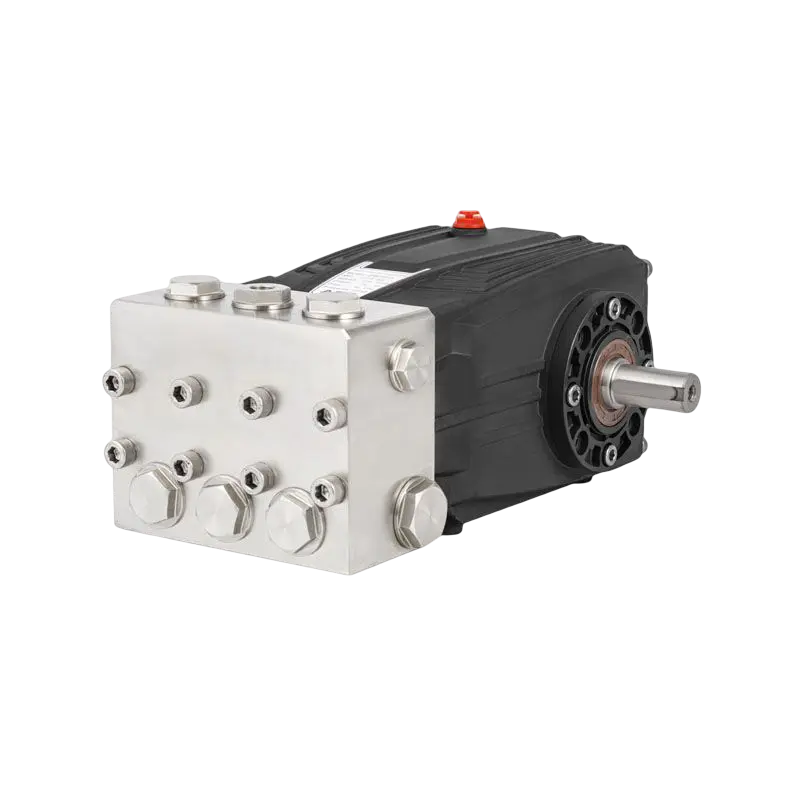
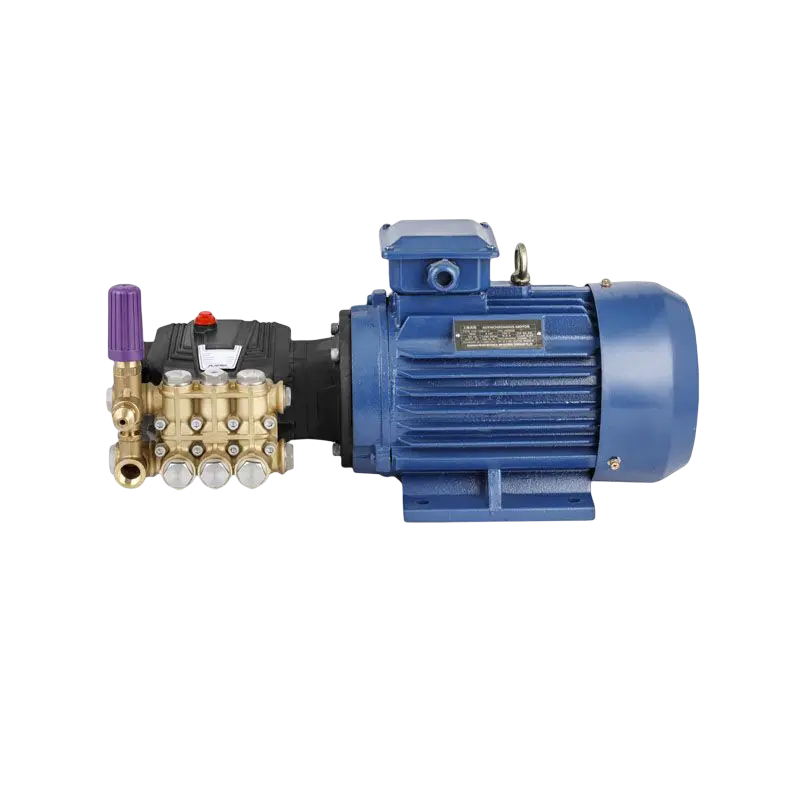
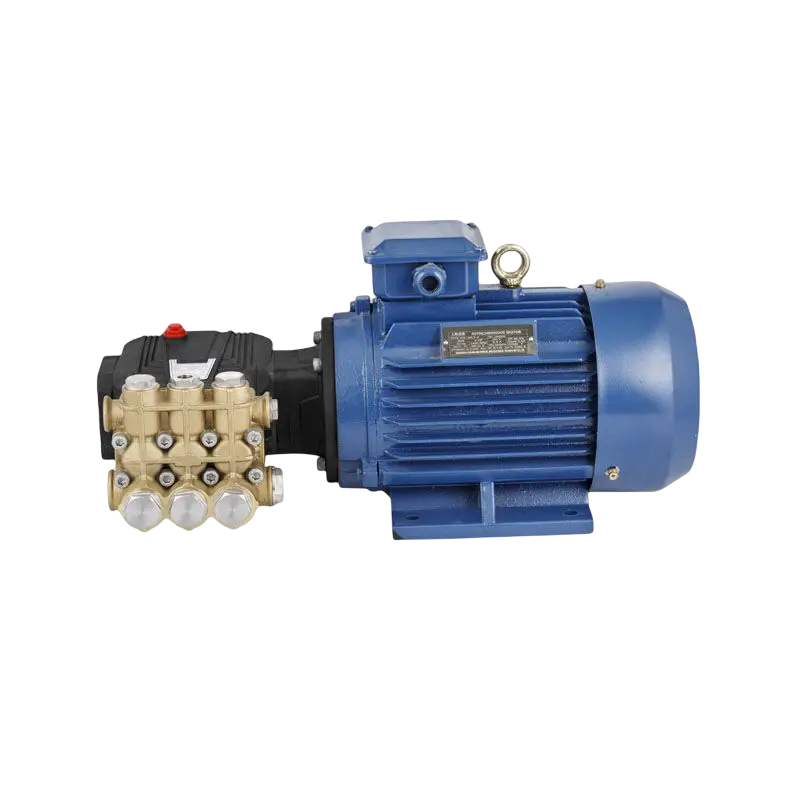
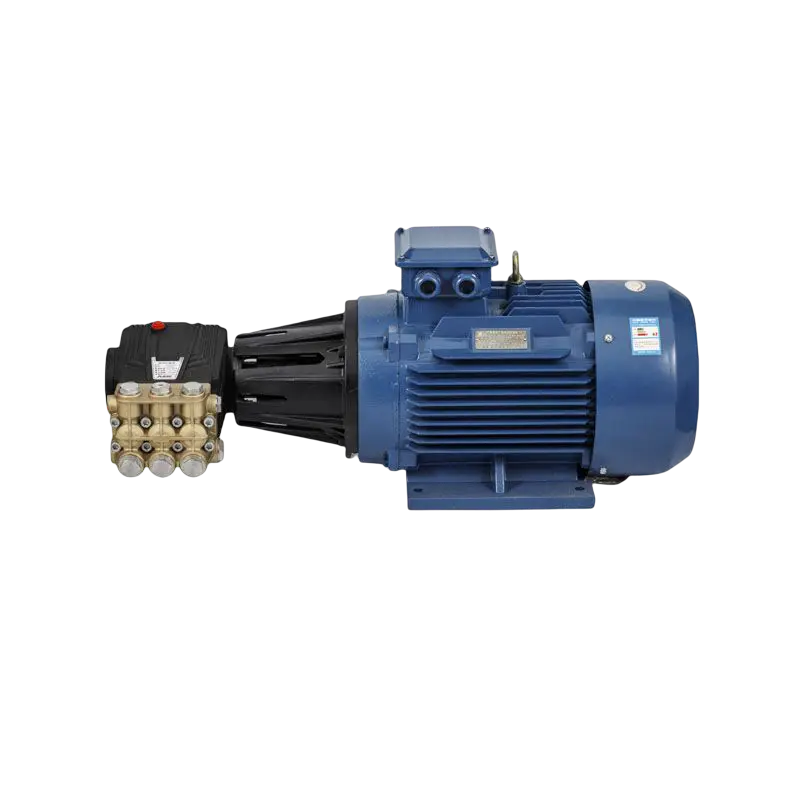
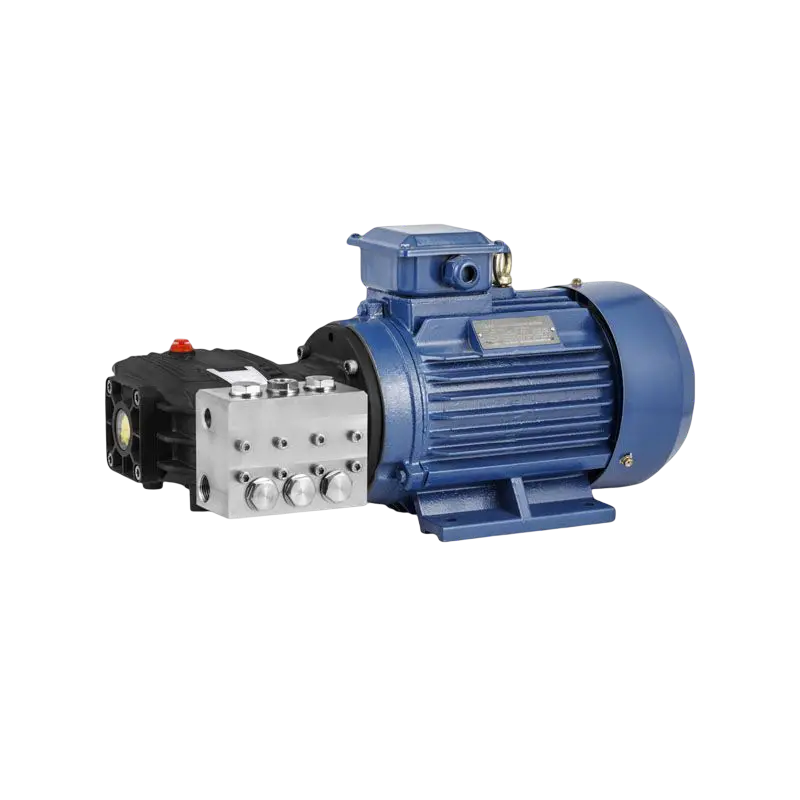
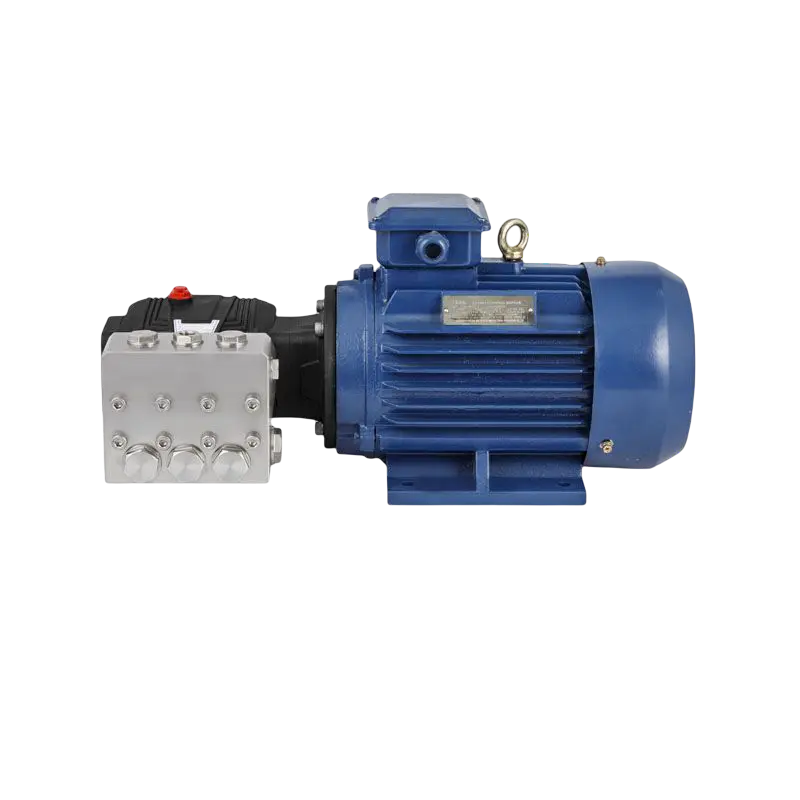
Across a diverse spectrum of industries that demand the movement of fluids against significant resistance, high pressure plunger pumps serve as indispensable workhorses. These robust, positive displacement pumps are engineered to generate and sustain substantial fluid pressures, making them essential for applications ranging from water jet cutting and descaling to chemical injection and oilfield operations. The operational principle and construction of high pressure plunger pumps are tailored to deliver consistent, reliable performance under demanding conditions.
The defining characteristic of a high pressure plunger pump is its use of a reciprocating plunger (or piston) within a precision-fitted cylinder. During the suction stroke, the plunger retracts, drawing fluid into the cylinder chamber through an inlet valve. On the discharge stroke, the plunger moves forward, pressurizing the fluid and forcing it out through a discharge valve. This reciprocating action, driven by a crankshaft or cam mechanism, creates a pulsating flow that can be smoothed with pulsation dampeners. The ability of high pressure plunger pumps to achieve bad pressures—often reaching thousands of pounds per square inch (psi)—stems from this direct mechanical displacement and the tight clearances between the plunger and its sealing elements.
The construction of high pressure plunger pumps prioritizes durability and pressure containment. Critical components like the fluid cylinder (or fluid end), plungers, and valves are typically manufactured from hardened alloys, ceramics, or other wear-resistant materials capable of withstanding abrasive fluids and cyclic stress. Advanced sealing technologies are employed around the plungers to contain the bad pressures with small leakage. The power frame (or power end), which houses the drive mechanism, is built to handle significant torque and convert rotational motion into the linear reciprocation required by the plungers. This rugged design underpins the longevity expected from industrial-grade high pressure plunger pumps.
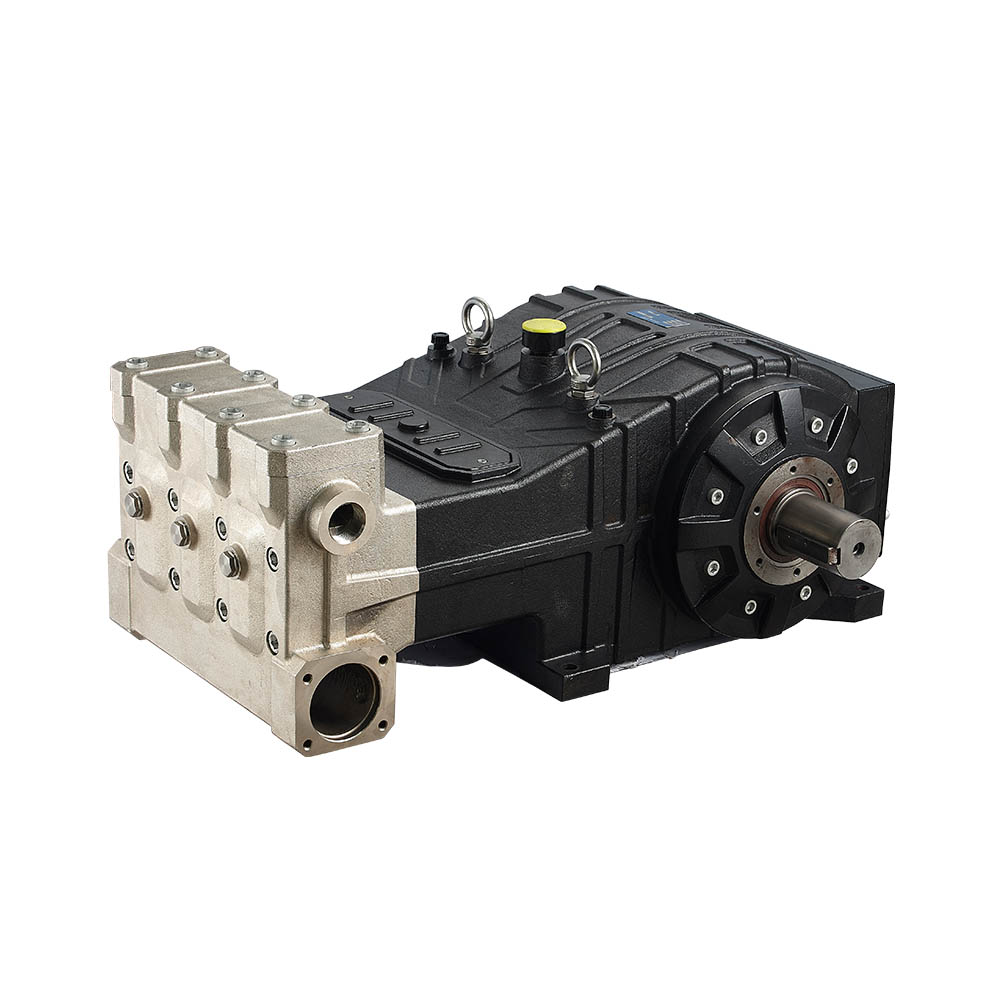
The application range for high pressure plunger pumps is extensive and vital to modern industry. In manufacturing and cleaning, they are the core component of waterjet cutting systems, where a supersonic stream of pressurized water, sometimes mixed with abrasive, cuts materials like metal, stone, and composites. They are equally crucial for high-pressure cleaning in descaling, tube cleaning, and surface preparation. Within the energy sector, high pressure plunger pumps are used for processes such as water flooding in oil recovery, well servicing, and chemical injection for flow assurance. Other uses include pumping viscous materials in food processing, supplying reverse osmosis systems, and serving as intensifiers in hydraulic applications.
Operational efficiency and control are key considerations for users of high pressure plunger pumps. Modern designs often incorporate features that allow for variable flow and pressure control, either through variable speed drives or by adjusting the pump's stroke length. This adaptability enables precise process control and can cause energy savings by matching pump output to actual demand. Furthermore, the efficiency of high pressure plunger pumps in converting mechanical power into fluid energy is generally favorable, especially when handling incompressible fluids like water.
The development of high pressure plunger pumps continues to focus on enhancing reliability, material science for components, and smart monitoring capabilities. Integration with sensors for vibration, pressure, and temperature allows for condition-based monitoring and early fault detection. As industries push for higher efficiencies and more automated processes, the role of these pumps as reliable high-pressure fluid sources remains secure.